AI Boom Drives Up US Power Bills
AI data centers are expanding across the U.S., with analyses linking growth to higher electricity bills in some states and rising regulatory scrutiny.
Atlas Newsdesk ·
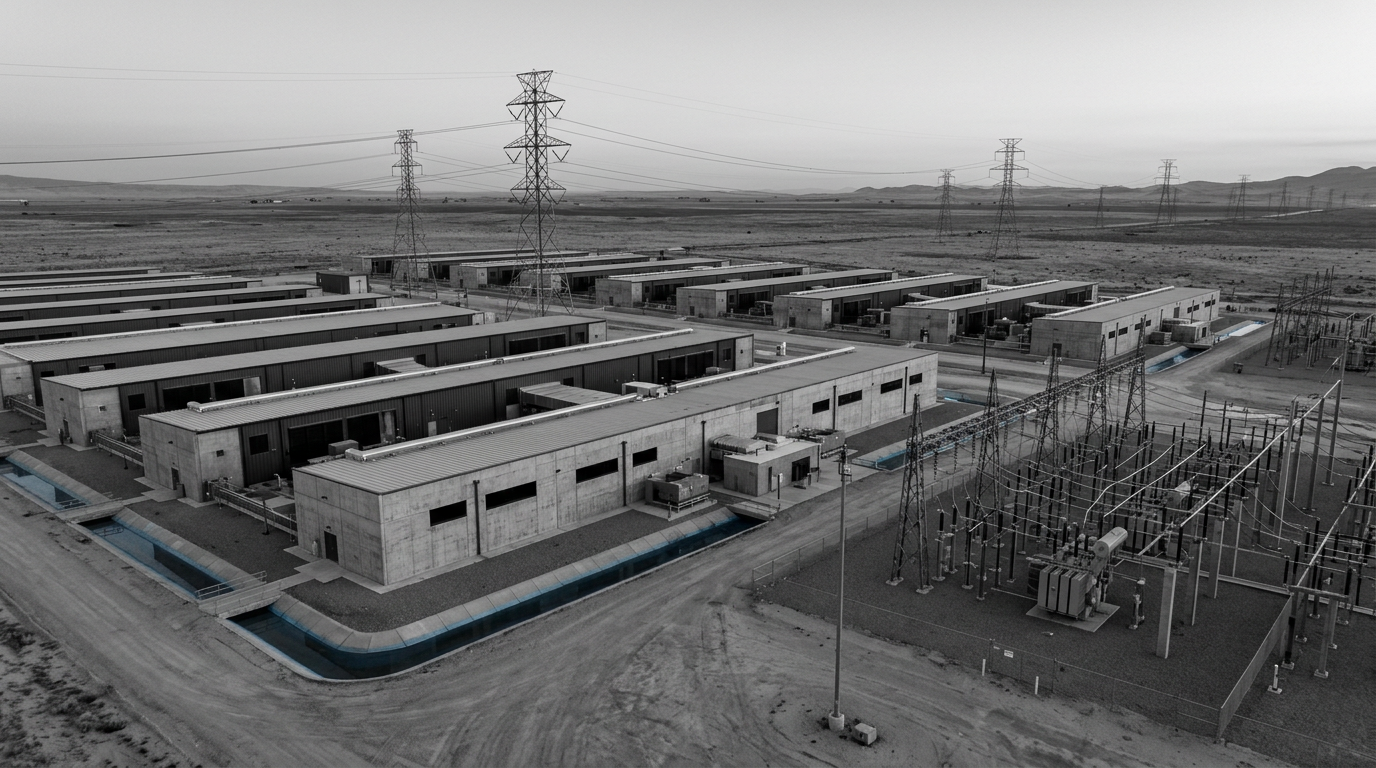
Artificial intelligence-driven data centers are expanding across the United States, and officials and analysts say the added electricity demand is contributing to higher power costs for consumers in some areas. The buildout of large computing facilities has accelerated alongside rising concern about how quickly grids can supply new loads without pushing up rates.
The issue is especially visible in Georgia, where data center development has grown as utility prices have climbed. A CBS News analysis found that Georgia Power, the state’s largest electricity provider, carried out six rate increases over the past three years. The same period included the start of operations at the Vogtle nuclear power plant and an acceleration in data center construction, according to that analysis.
Industry demand tied to AI infrastructure is a key driver of the construction surge, and the resulting electricity needs can add pressure to generation and transmission systems. The Institute for Energy Economics and Financial Analysis said new data centers are raising utility bills in at least 13 U.S. states. Separately, a 2025 Bloomberg analysis projected that people living near data centers could see energy bills rise by as much as 267% compared with five years earlier.
Policy responses are emerging as state leaders weigh economic development against consumer costs and grid planning. In Maine, Governor Janet Mills recently vetoed legislation that would have prohibited new data center construction. She said the state needed careful planning to address the impacts of large-scale data centers, rather than an outright ban.
Utilities and consumer advocates are also disputing who ultimately pays for the infrastructure needed to serve new facilities. Georgia Power has said residential customers will not be responsible for the costs associated with this growth. Advocacy group Georgians for Affordable Energy has argued that, without stronger consumer protections, data centers could add billions to electricity rates.
For markets and policymakers, the debate centers on how quickly power systems can expand to meet AI-era demand while keeping household bills stable. The uncertainty highlighted in these reports is how costs will be allocated across customer classes as data center projects move forward and as regulators consider new rules in different states.