Ireland Halts Carbon Tax Hike Amid Protests
Ireland delays carbon tax hike by six months and cuts fuel duties after protests, adding handouts in a 505 million euro package.
Cuneyd Erdogan ·
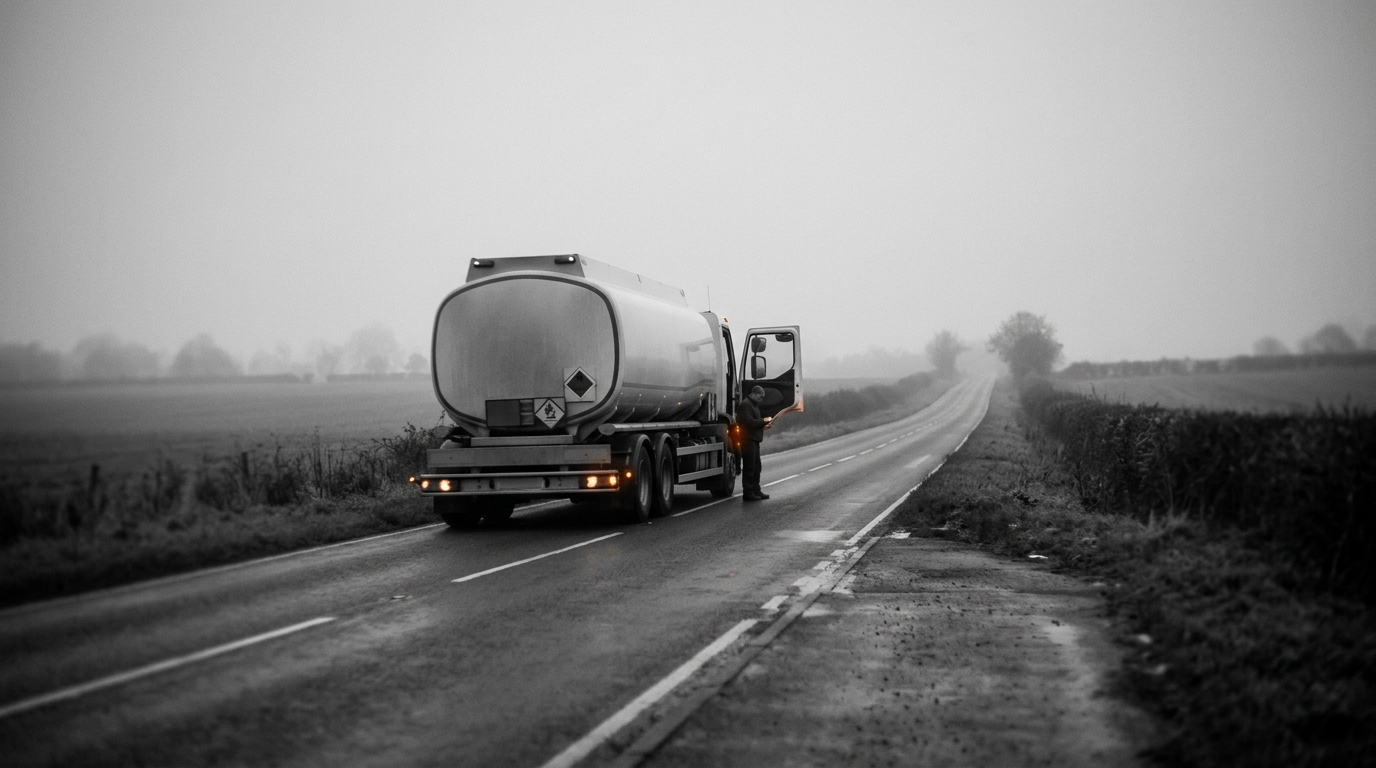
Ireland has pushed back a planned carbon tax increase by six months and moved to cut excise duties on diesel and petrol after fuel-price protests escalated into a nationwide disruption earlier this month, officials announced in Dublin.
The decision followed a six-day standoff involving truckers and farmers who blockaded ports and fuel depots. Demonstrations also reached central Dublin, where vehicles blocked O'Connell Street, underscoring the scale of public frustration over the cost of filling up.
Officials said the measures are intended to ease financial pressure linked to rising fuel prices. Protesters largely focused their anger on fuel taxes, rather than on global energy market forces, according to accounts of the demonstrations.
Alongside the tax changes, the government also provided financial handouts to hauliers and agricultural contractors. These steps were presented as part of a broader 505 million euro rescue package aimed at stabilising affected sectors and reducing immediate cost strains tied to transport and farm operations.
The move comes at a time when Europe is experiencing sharp swings in energy prices, with volatility partly connected to international geopolitical events. Against that backdrop, Ireland’s policy shift highlights the tension between near-term affordability concerns and longer-term climate and energy-transition goals.
Elsewhere in Europe, electric vehicle sales in continental Europe rose 51% in March, data shows, pointing to momentum in cleaner transport options. In Ireland, however, the government’s decision to delay the carbon tax rise and lower fuel excise duties reflects the immediate political and economic pressure created by higher fossil-fuel costs.
Experts said that measures which effectively subsidise fuel demand can provide short-term relief for households and businesses exposed to price spikes. They also cautioned that such steps may reinforce dependence on imported oil and slow the shift toward cleaner energy sources.
Key uncertainties remain around how long fuel prices will stay elevated and how quickly policy can return to its previous trajectory once the six-month delay ends. For markets and policymakers, the episode illustrates how energy-price shocks can rapidly translate into political pressure, with knock-on effects for tax policy, transport costs, and the pace of decarbonisation.