

Houthis threaten Saudi oil sites after Yemen blasts
The group vowed retaliation against Saudi airports and refineries, adding an energy-supply risk to the Middle East crisis.
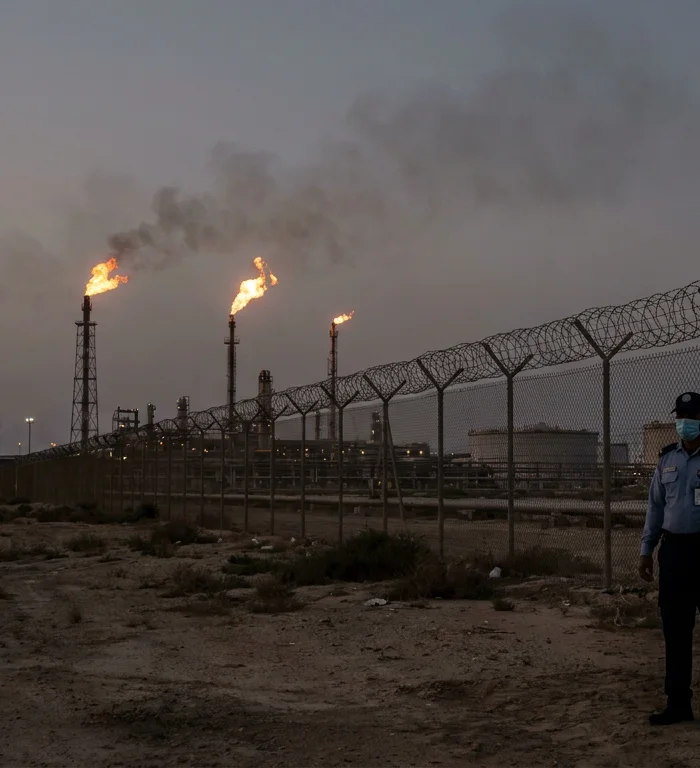
Blasts were reported in Yemen's capital as Houthi officials vowed retaliation against Saudi Arabia's airports and oil refineries, putting energy infrastructure back at the center of the Middle East risk map. Reaction pending.
The reported strikes mark a fresh escalation around Yemen, where the Houthis have used threats against regional transport and energy assets to widen the cost of military pressure. The immediate market question is whether the threat stays rhetorical or moves toward facilities tied to Saudi crude processing, exports or domestic fuel supply.
Saudi refinery threat widens energy risk
Saudi Arabia is central to global oil supply, so even an unfulfilled threat against refineries can change how traders price near-term disruption risk. If attacks occur and damage processing or export-linked infrastructure, crude benchmarks could gain as buyers add a security premium and refiners assess replacement barrels.
For the Houthis, the threat signals an effort to raise the regional cost of strikes on Yemen. For Saudi Arabia, the exposure is concentrated in airports, oil refineries and the defensive systems protecting them; officials have not reported damage to Saudi energy assets in the information provided.
The wider industry effect would run through shipping insurance, refinery margins and crude differentials. If Saudi facilities remain untouched, energy markets may treat the episode as another geopolitical risk marker rather than a supply event.
By October 14, 2026, traders will be watching for confirmed Saudi damage reports, Houthi follow-through and any official statement on refinery operations.
More stories
- US ETF issuers add nearly 1,100 funds in leveraged push
- Microsoft shares rise 0.43% after $545.80 chart test
- Williams sees no 2027 rate-hike need
- Saudi Arabia strikes Houthi-linked oil depots near Yemen’s capital
- Onto Innovation's 5-year gain turns $100 into $365.71
- Twelve senators press Trump to rescind Russian diesel waiver
- Proposed Inheritance Tax Reforms Set to Slash State Revenue by £7.5 Billion
- Samsung Electronics Projects Record Quarterly Operating Profit Driven by AI Demand
Latest news
- SalesCloser margins may exceed 80% over long term
- Football Regulator Chair Quits Over Political Interference Concerns
- Unseen power use affects 80% of UK small firms
- Workday widens AI controls with C1.ai deal and Claude link
- Cochrane seeks Nov. 30 bids for adult pneumococcal vaccine review
- Haunted Chocolatier targets Stardew’s mine fans in 4-year build
- Turkish religious rebuke puts Erdoğan’s coalition back on Washington’s radar