Houthi front opens near Hormuz, shipping risks rise
Houthi forces opened a new front near the Strait of Hormuz on Aug. 9, prompting higher alerts and raising near-term risks to oil transit routes.
Mateo Fernandez ·
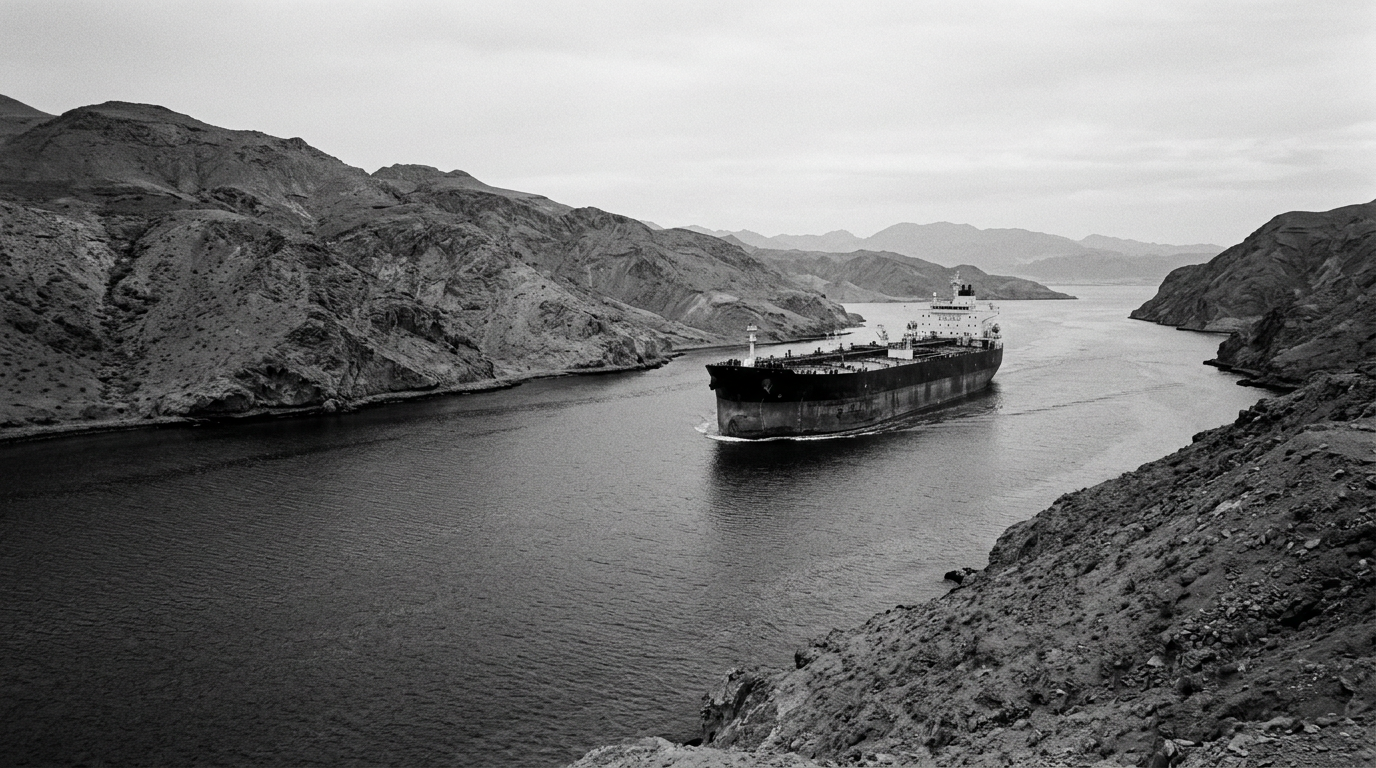
Houthi forces opened what officials described as a new front near the Strait of Hormuz on Aug. 9, adding fresh pressure to commercial shipping routes already under scrutiny in the Red Sea and the Gulf. Officials said the move increased immediate risks to oil and fuel transit through some of the world’s most heavily used sea lanes, with broader market reaction still pending.
According to officials, the actions included deploying units close to key approaches to shipping lanes and issuing warnings that commercial vessels could be targeted. The developments followed clashes in nearby areas, officials said, and have led military and shipping authorities to raise alert levels.
Hormuz positioning and vessel warnings
Officials said the latest activity near the Strait of Hormuz centers on access points that ships use to enter and exit established routes. The same officials cited warnings aimed at commercial traffic, a step that can quickly affect routing decisions and operational risk assessments even before any confirmed disruption.
Military and shipping authorities have responded by heightening alerts, officials said, while continuing to track movements at sea. Officials also said they expect conditions to remain fluid over the next 48 hours, underscoring the short time horizon in which operators may need to make decisions on scheduling, speed, and routing.
Why these routes matter for crude and refined products Officials said the routes at stake carry large volumes of crude and refined products moving between the Gulf, the Suez Canal, and global markets. Because these corridors link major production, refining, and consumption centers, any interruption can quickly translate into tighter seaborne availability for both crude and key fuels.
Officials said sustained disruption would push tankers onto longer voyages around southern Africa, increasing voyage time and operational costs. They added that freight and insurance costs would be expected to rise if the threat persists, reflecting higher perceived risk and reduced effective tanker capacity.
Mechanism-driven market implications under watch
Traders and energy firms are monitoring the situation for its immediate impact on tanker availability and spot price premiums, officials said. In shipping markets, a sudden increase in risk can reduce the number of vessels willing to load, slow turnaround times, and amplify costs through higher insurance and freight rates.
Officials described the policy and market effects as dependent on how the disruption unfolds. They said a short but intense episode would tighten seaborne supply and lift spot premiums for crude and refined products, while a prolonged campaign could reshape shipping patterns and raise logistical costs across refining hubs.
Officials said they will keep monitoring naval and commercial movements closely as the situation develops. With the next 48 hours expected to be changeable, authorities and market participants are watching for signs that threats translate into operational disruption, or that risk perceptions ease without sustained impact.