Saudi tankers divert from Gulf of Aden route
Saudi tankers diverted on Aug 3, 2026, heading in formation toward southern Africa instead of the Bab el-Mandeb Red Sea route.
Mateo Fernandez ·
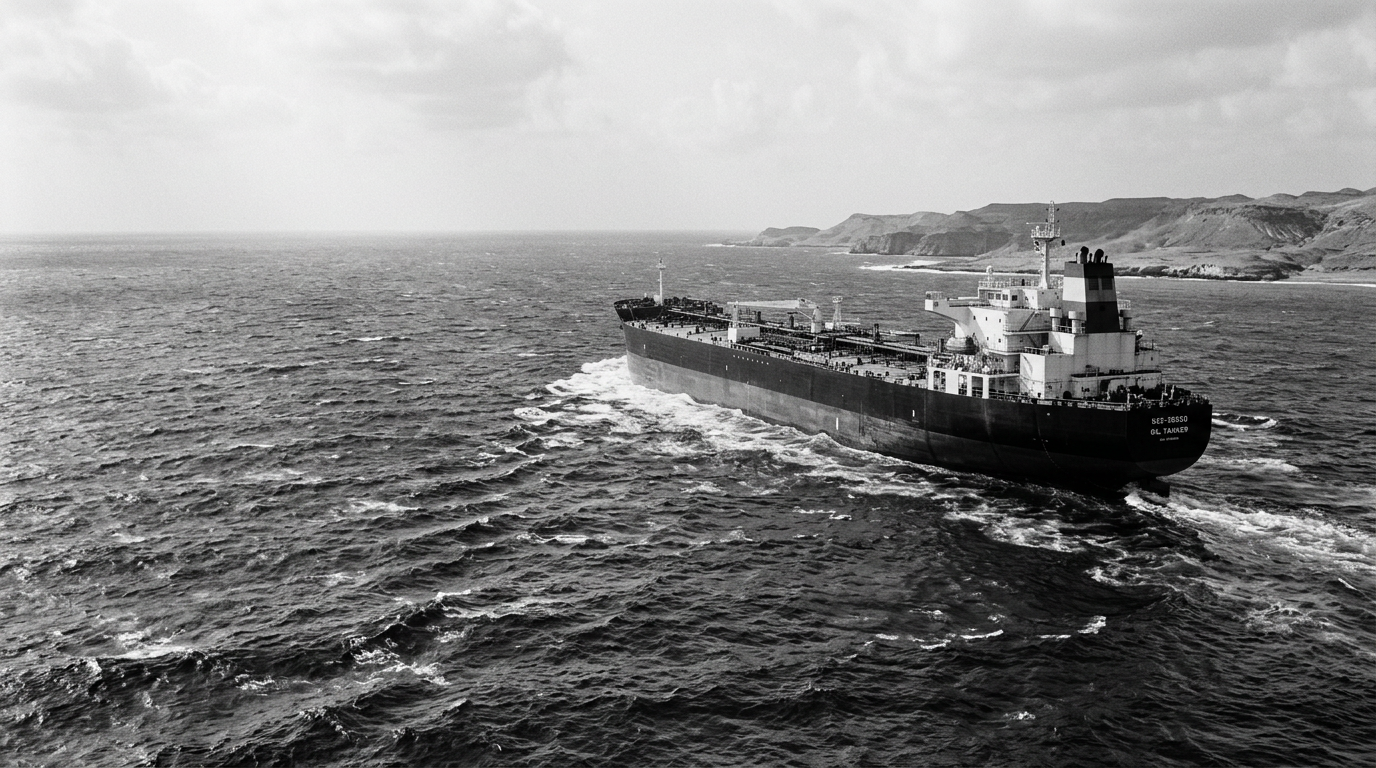
Six Saudi-flag tankers changed course away from the Gulf of Aden on Aug 3, 2026, heading in formation toward southern Africa rather than taking the southern Red Sea route through the Bab el-Mandeb chokepoint, according to ship-tracking data.
The diversion appeared to be a repositioning move after the vessels returned from destinations in Asia. Tracking data showed all six ships were empty of cargo at the time of the route change.
Course change points to longer Cape of Good Hope passage Instead of transiting the shorter Red Sea lane Instead of transiting the shorter Red Sea lane, the new heading would take the tankers around the Cape of Good Hope. That route typically adds distance and sailing time versus a passage through Bab el-Mandeb and onward into the Red Sea. Officials did not comment on the move. With no public explanation, the reason for the course alteration remains unclear based on the available information. Cost and availability effects for tanker owners A longer voyage generally increases fuel consumption and extends the number of days a ship remains at sea. For owners, that can translate into higher operating costs and a later return to availability for new charters.
Six Saudi
The source data also indicated the six ships were maintaining formation. Such grouping can be used for navigational or operational purposes, though the tracking data alone did not specify the intent.
Potential implications for freight rates if rerouting broadens
The Bab el-Mandeb sits at the southern end of the Red Sea and is part of the shortest shipping lane between Asia and Europe. Any sustained avoidance of that corridor can add “voyage days” through extra clearances and additional ocean miles, raising the effective ship capacity required to move the same volumes.
For crude flows, extended routing can widen freight spreads and push up short-term tanker rates if more vessels follow a similar bypass. The immediate market impact, however, depends on whether the six-ship diversion remains isolated or becomes part of a wider shift in routing decisions.
What tracking and rate signals are being monitored
The ship-tracking data referenced continued monitoring of AIS tracks and freight-rate screens through 23:59 GMT on August 6, 2026. That window is being watched for evidence of broader rerouting behavior or a market reaction visible in spot rate movements.
By that date, officials could issue statements or companies could adjust schedules, which would help clarify whether the event reflects routine repositioning or a more durable change in tanker routing patterns in and around the Gulf of Aden and the Bab el-Mandeb area.
Implications
Country Impact: For Saudi shipping interests, the longer Cape of Good Hope routing can raise operating costs and keep vessels at sea longer, delaying their availability for new charters. Officials did not comment, leaving the rationale for the maneuver unresolved in public information.
Industry Impact: For the tanker sector, longer routes can reduce effective capacity by tying ships up for more days, which can tighten availability if replicated by others. The formation sailing pattern noted in tracking data may reflect operational considerations, but the intent was not specified.
Market Impact: For freight markets linked to crude and product movements, extended voyages can widen freight spreads and lift short-term tanker rates if rerouting becomes more common. Whether rates react depends on whether additional ships follow the bypass before the Aug 6, 2026 monitoring window ends.