Trump tariffs face lawsuit over Section 301 import duties
Trump tariffs face a small-business lawsuit over new Section 301 import duties, testing the administration’s latest trade-power strategy.
Atlas Newsdesk ·
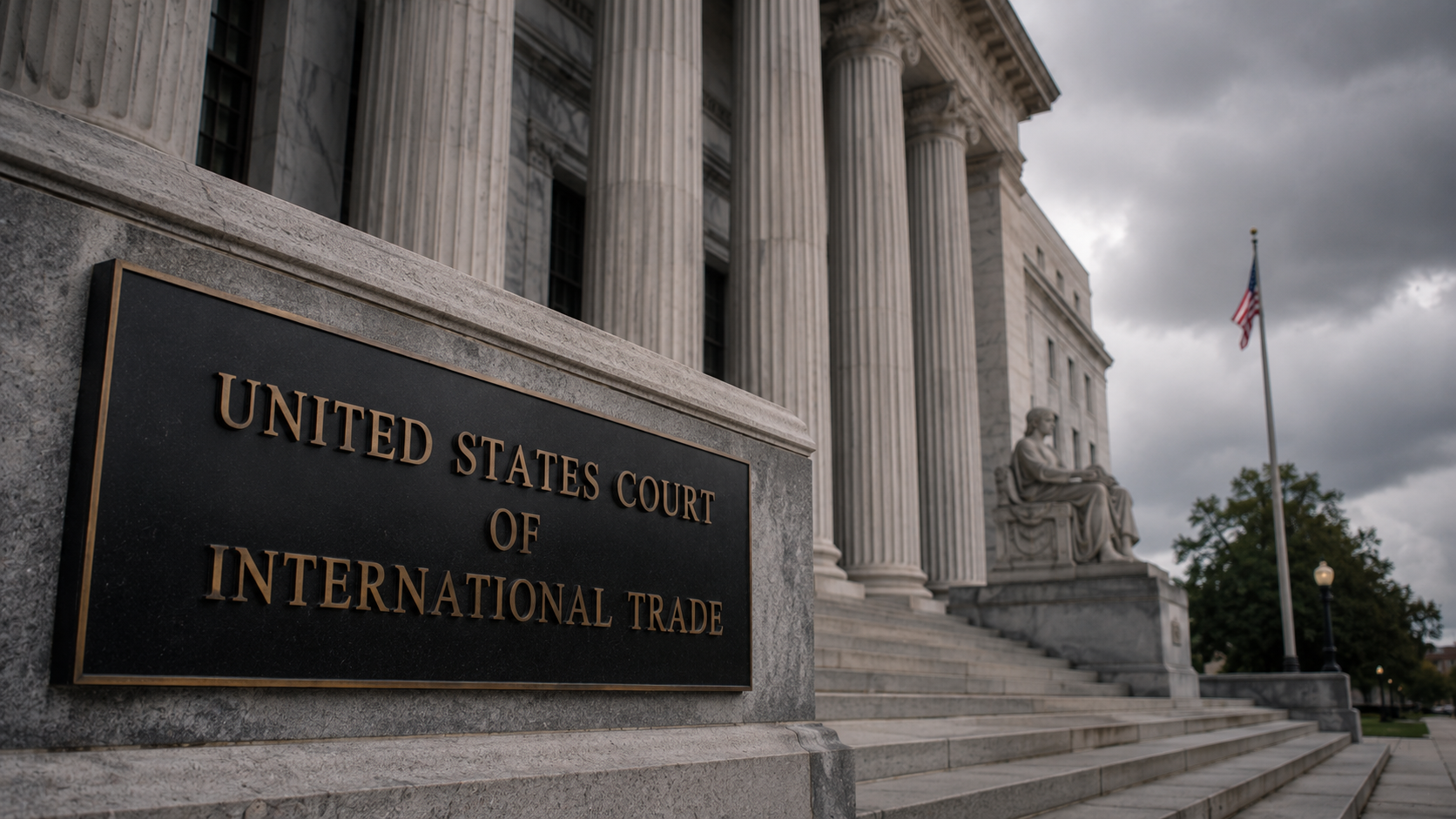
Trump tariffs face a new court challenge after two small businesses sued over Section 301 duties that took effect Friday. The case tests whether the administration can rebuild levies previously rejected by courts.
The complaint, filed in the US Court of International Trade, accuses President Donald Trump and US officials of stretching Section 301 beyond its legal limits. The companies argue the latest duties are an unlawful substitute for earlier import taxes that failed in court.
Section 301 becomes the new lever
The administration said Thursday that the US would collect import duties ranging from 10% to 12.5% on goods from many large trading partners. Officials tied the action to a Section 301 investigation into whether about 60 economies had failed to prevent forced labor in supply chains in ways that harmed US workers.
Section 301 of the Trade Act of 1974 gives the US Trade Representative, acting under presidential direction, power to respond to foreign trade practices considered discriminatory or inconsistent with US rights under trade agreements. The lawsuit says Congress expected that tool to be used after a more targeted review, not as a broad global tariff system.
Earlier tariff powers hit legal walls
The new dispute follows a sequence of setbacks for the administration’s trade program. In February, the US Supreme Court ruled that Trump’s global tariffs issued under the International Emergency Economic Powers Act, or IEEPA, were illegal, according to the source material.
After that ruling, the administration turned to Section 122 of the Trade Act to impose a 10% global tariff. A trade court also found those duties unlawful, but they were allowed to remain in place while an appeal proceeded.
Those Section 122 tariffs were set to expire Friday, creating a timing problem for the White House. The Section 301 duties took effect as the earlier tariff authority was running out, giving the lawsuit its central claim: that the administration changed statutes without curing the legal defect.
Small businesses challenge the tariff basis
The plaintiffs’ lawyers argue the latest tariff action does not match the structure Congress wrote into Section 301. In the complaint, they said the new duties lacked the “country-specific inquiry” required for that law to justify penalties against individual trading partners.
The administration’s theory rests on a different premise. It says the investigation into forced labor failures across dozens of economies provides a lawful basis to impose duties designed to protect American workers and counter unfair supply-chain practices.
Spokespersons for the US Trade Representative, the White House and the Justice Department did not immediately respond to requests for comment, according to the source material. That leaves the government’s detailed legal defense to future filings, where it is likely to argue that Section 301 gives wide discretion once an unfair trade practice is identified.
Trade policy faces another court test
The case matters because tariffs change costs before judges deliver final answers. Importers may have to pay the 10% to 12.5% duties while litigation moves through the trade court and any appeals, adding uncertainty to purchasing, pricing and contract decisions.
If the court allows the Section 301 duties to remain in force, the administration would preserve a broad tariff tool after losing on IEEPA and facing limits under Section 122. That would help the White House maintain pressure on trading partners, while small importers and affected sectors absorb higher border costs.
If the court blocks the duties, the administration’s tariff wall would narrow again and the specific companies bringing the case could avoid the challenged charges. A ruling against the government would also signal to import-heavy industries that courts may require a tighter link between each tariff and each country’s conduct.
The global macro effect depends on durability. If the tariffs hold, they could keep trade costs elevated and complicate supply-chain planning; if they fall, the immediate legal relief would reduce one layer of import uncertainty without ending the administration’s search for alternative trade powers.