El Niño Threatens Southeast Asian Food Security Through 2027
El Niño is forecast as the strongest in 140 years, raising drought and fire risks that could cut staple yields 2%–8% and strain prices.
Atlas Newsdesk ·
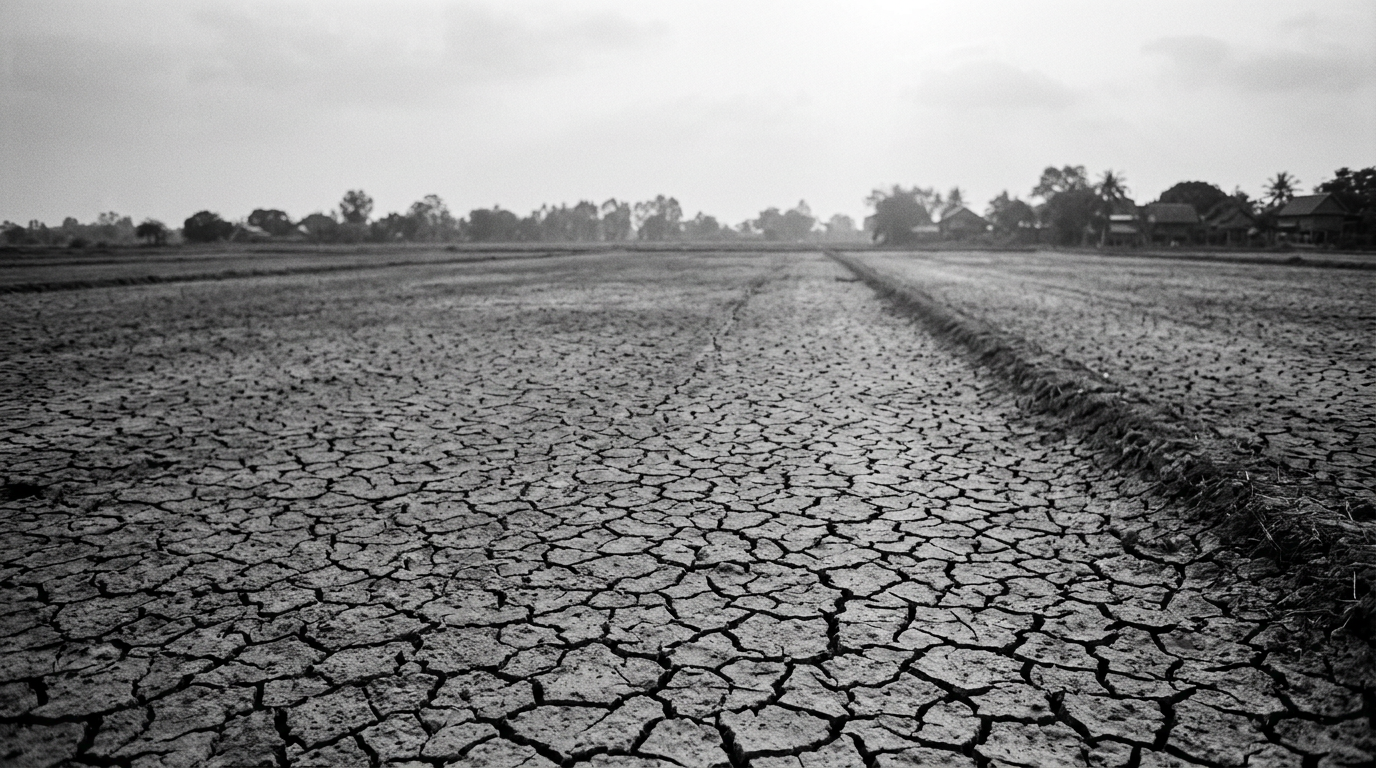
The current El Niño event is forecast to be the strongest in 140 years, and analysts say it could become a major test for food security and economic stability across Southeast Asia. The region is a key supplier of rice, palm oil, and coffee, leaving both domestic consumers and export markets exposed if weather extremes persist.
According to the projections cited, drought and other extreme conditions could extend through spring 2027. Analysts expect this to pressure agricultural output, with potential yield declines for staple crops estimated in a range of 2% to 8%.
Rising crop risks and price pressures Analysts link the expected production hit to wider Analysts link the expected production hit to wider inflation concerns already under strain from ongoing geopolitical conflicts. Lower harvest volumes for basic food items can amplify price volatility, especially when multiple producing countries face water stress at the same time. Thailand is highlighted as a key pressure point because it is the world’s second-largest rice exporter. Officials and analysts cited in the material say Thai export rice prices have climbed 27.5% since early 2026, adding to concerns about affordability and import bills for buyers. Country-level exposure across the region Several countries are reported to have already seen meaningful impacts on farmland. Cambodia, Indonesia, and the Philippines have reported substantial acreage affected by water shortages, a development that could tighten domestic supplies if conditions continue.
El Ni
The same reports warn that stress on farm incomes could increase farmer debt levels. That combination—lower output and higher financial strain—can weaken rural resilience and complicate policy choices if governments are forced to balance price stability with fiscal constraints.
Trade balances and longer-duration disruption
The disruption is not expected to be brief. The cited outlook says the impacts could persist into 2028, pointing to longer-term risks for regional trade balances if export volumes fall or if countries need to import more food to stabilize local markets.
For Thailand, the potential macroeconomic costs are framed in terms of downside risk to growth. In a worst-case scenario, analysts estimate a potential GDP impact of 0.5%.
Indonesia fire risk and transboundary haze concerns
Beyond crops, the environmental conditions are described as increasing the likelihood of large-scale forest fires in Indonesia. That raises the risk of transboundary haze that could affect air quality and economic activity in Singapore and Malaysia.
However, one uncertainty flagged in the material is response capacity. Institutional ability to manage these fire risks is reported to be weaker than in previous cycles due to constrained budgets and higher deforestation rates, which may complicate containment efforts if fires spread.