Saudi Arabia on Alert Over Iran-Backed Threats
Saudi Arabia says it is on high alert amid warnings of possible Iran-backed attacks on energy sites and airports that could affect exports.
Mateo Fernandez ·
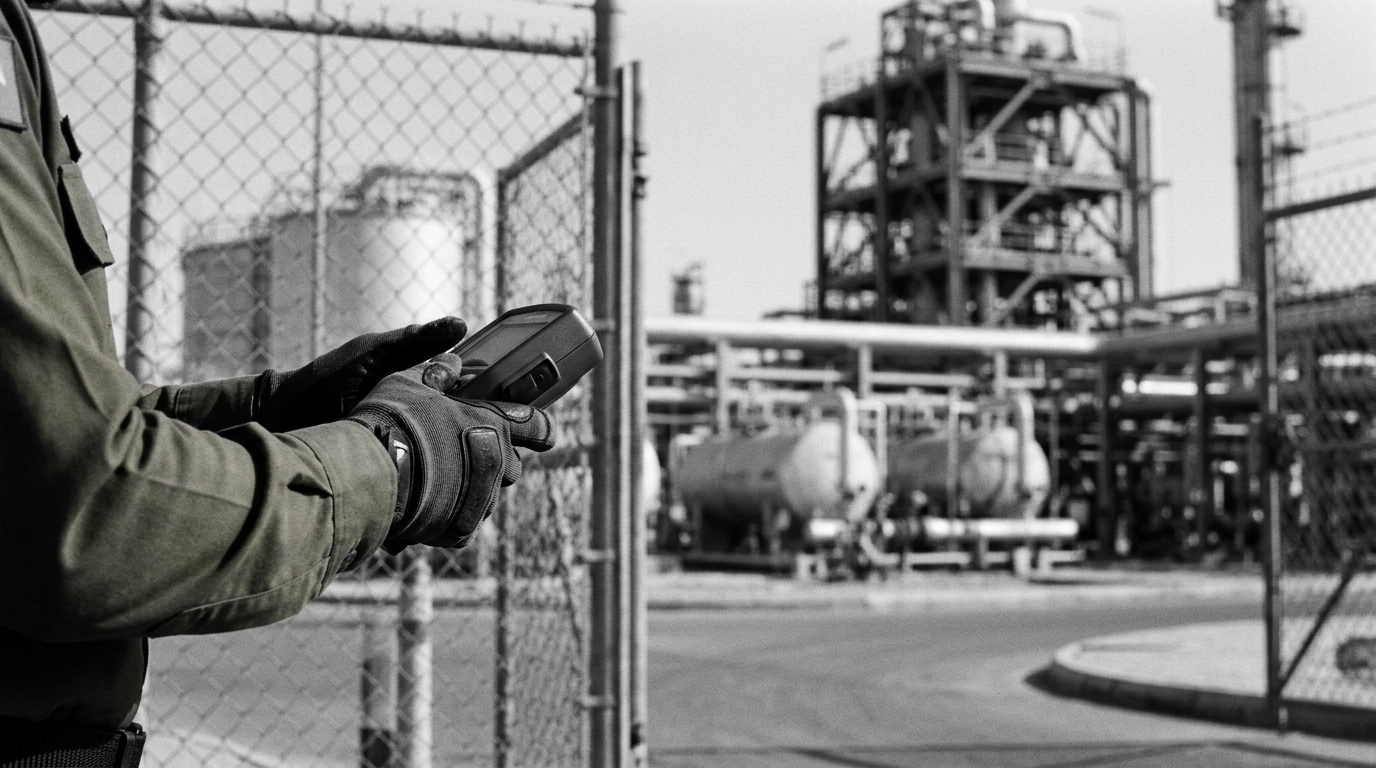
Saudi Arabia has moved to a high-alert posture after officials said there are concerns about possible Iran-backed attacks targeting energy infrastructure and airports, raising the risk of disruptions to oil exports. Officials said the situation remains under review, with reactions and further assessments pending.
Officials said security has been strengthened at key oil facilities and at several airports, while forces monitor what they described as potential coordinated actions by Iran-aligned groups. Authorities also cited threats tied to crude storage and export logistics, but they did not provide a timeline or an immediate assessment of any damage.
Heightened security at oil facilities and airports
Officials described precautionary steps that include increased patrols and tighter controls around known hydrocarbon infrastructure. They said intelligence and on-the-ground units are focused on preventing any operational impact at major export facilities.
Officials warned that a successful strike on processing sites or export hubs could lead to temporary outages. They said such an outcome could complicate shipments from regional terminals and interfere with planned deliveries, even if disruptions prove short-lived.
Export risks and near-term market sensitivity
Officials said the alerts are driven by concern that attacks, if they materialise, could affect the flow of crude through storage and export channels. While no specific incident details were provided, the statements framed the risk as centered on infrastructure that supports production, processing, and seaborne loading.
Officials also pointed to the potential for market repercussions even without confirmed damage. They said traders were likely to price in higher geopolitical risk if reports of attacks emerge, a dynamic that could lift near-term freight and insurance costs associated with crude movements.
Next steps and the 48-hour reassessment window
Authorities said they will review protective measures within 48 hours and provide further updates as assessments are completed. That timeframe, officials indicated, gives markets and industry participants a near-term period to evaluate whether the alert phase results in any tangible supply interruption.
For now, officials said the priority is deterrence and prevention, with monitoring focused on coordinated threats linked to Iran-aligned groups. Any subsequent guidance, they said, will follow as the security review progresses and officials determine whether additional measures are required.