House Approves Ukraine Aid, Imposes Russia Sanctions
The U.S. House of Representatives passed a bill to provide Ukraine aid and enact Russia sanctions, demonstrating bipartisan resolve amid internal party…
Lauren Collins ·
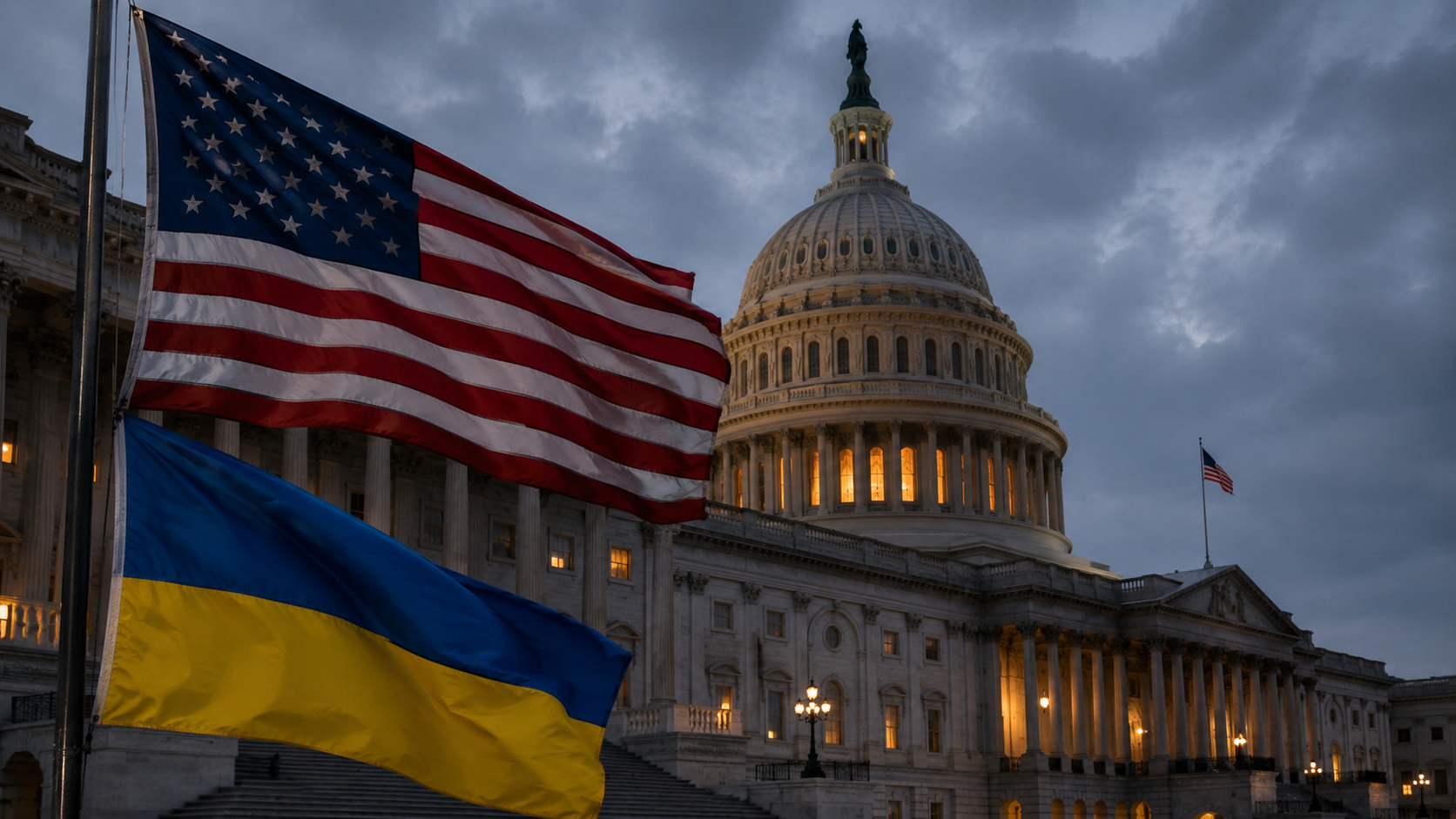
The U.S. House of Representatives has passed significant legislation providing aid to Ukraine and imposing new sanctions on Russia. This vote signals a notable divergence within Republican ranks from the stance of former President Donald Trump on foreign policy matters.
The measure, known as the Ukraine Support Act, passed with a vote of 226 to 195. Its progression to a floor vote followed months of legislative stagnation, ultimately spurred by a bipartisan effort including several Republicans who signed a discharge petition.
Bipartisan Action Amidst Party Divisions
Eighteen Republican representatives, alongside one independent who typically aligns with the Republican caucus, joined House Democrats to ensure the bill's passage. This coalition underscores a growing willingness among some within the Republican party to challenge leadership and advance legislation not fully endorsed by all members.
This vote marks a continuation of instances where a segment of House Republicans has broken from the party's prevailing alignment with Trump's policies. Such actions highlight internal shifts concerning the party's approach to international relations and presidential authority.
Legislative Momentum and Foreign Policy Shifts
The passage of the Ukraine Support Act follows closely after another legislative event where a smaller contingent of House Republicans joined Democrats. This earlier vote aimed to restrict presidential military action against Iran without explicit congressional approval.
These votes cumulatively indicate a reassertion of congressional oversight in foreign policy. They suggest a potential recalibration of power dynamics between the legislative and executive branches on matters of international engagement and intervention.
International Reaction and Future Implications
Olha Stefanishyna, Ukraine's ambassador to the United States, publicly acknowledged the House's decision. She characterized the vote as an "important step forward," emphasizing the continued bipartisan backing for Ukraine.
The legislation's journey through Congress reflects complex political maneuvering where national security concerns can transcend partisan divides. The aid package and new sanctions on Russia are poised to have significant implications for Eastern European geopolitics and U.S. foreign relations.