Hormuz disruption hits 14% of global energy supply
Data showed oil made up 91% of the affected flows, testing inventories and alternative pipelines.
Mateo Fernandez ·
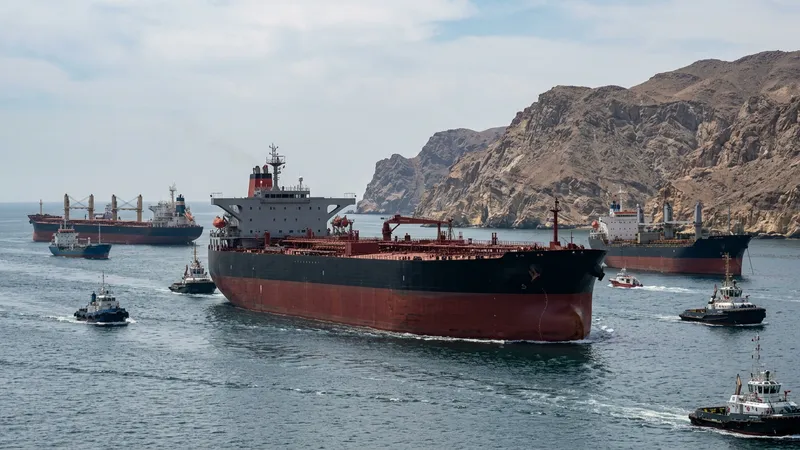
A disruption in the Strait of Hormuz affected 14 percent of global oil and natural gas supply at its peak, data showed, creating a commodities shock larger than recent energy crises by the share of supply touched.
The affected volume was twice the impact attributed to the 1970s oil shocks and six times the peak disruption linked to the Russia-Ukraine war in 2022, according to the same data. Oil accounted for 91 percent of the energy supply affected, making crude flows the main channel for market risk.
Hormuz barrels test energy buffers
Officials said the global energy system absorbed part of the shock through alternative pipelines, oil inventories and weaker demand. Those buffers matter because Hormuz remains one of the main transit points for seaborne energy, and a sustained constraint there would tighten the link between shipping security, refinery supply and fuel prices.
For commodities markets, the first mechanism is physical availability: if rerouted barrels and stock draws keep flowing, price pressure can stay limited to risk premiums and freight costs.
If the disruption lasts longer than inventories can cover, refiners face higher replacement costs and buyers compete for cargoes outside the Gulf.
The company-level effect would fall first on producers, traders, shippers and refiners exposed to Gulf cargoes. The wider industry risk is a repricing of insurance, tanker routes and spare pipeline capacity if Hormuz becomes a recurring bottleneck rather than a short disruption.
By September 27, 2026, the key test is whether officials report normalizing flows through Hormuz or continued reliance on inventories and alternative routes.