India Census Kicks Off With Caste Count, Digital Push
India census begins April 1, 2026, covering about 1.4 billion people with a $1.24 billion budget, adding caste data and digital collection.
Cuneyd Erdogan ·
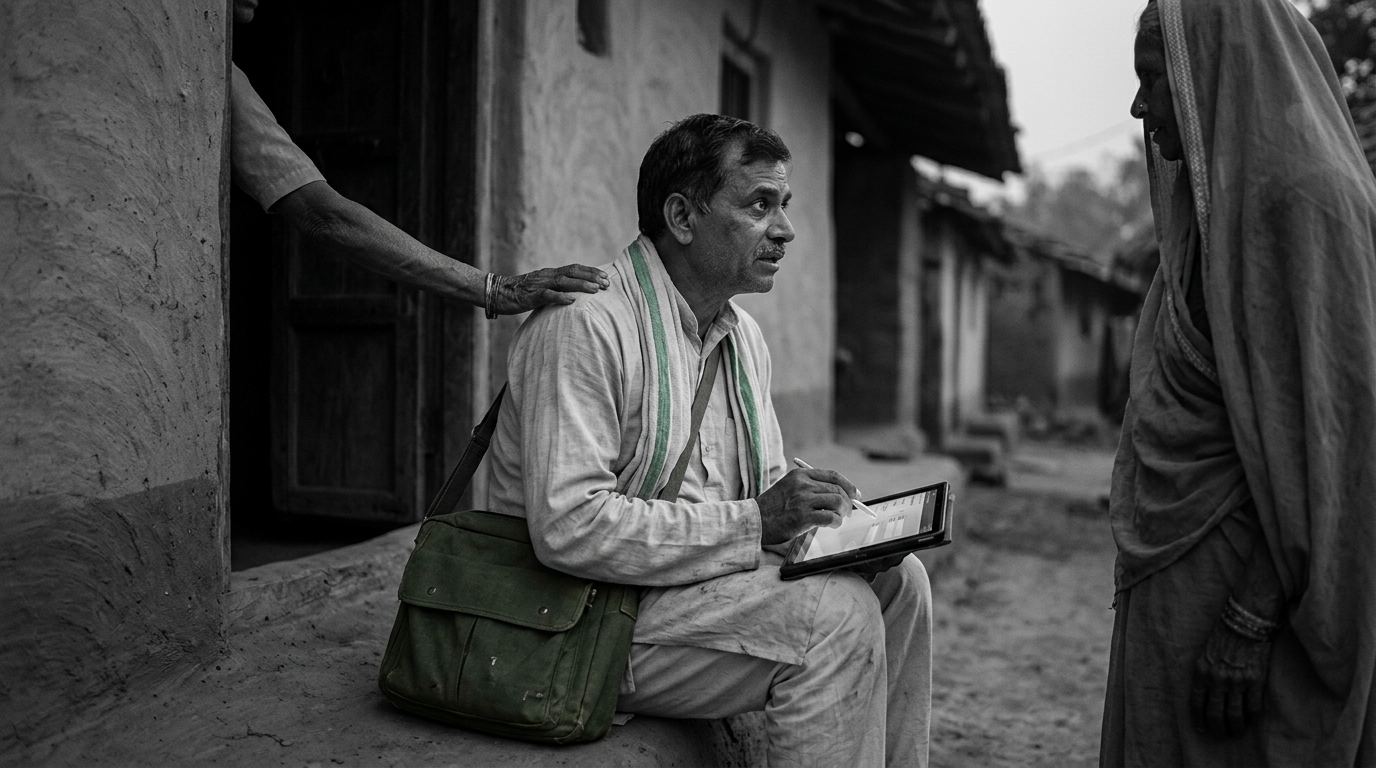
India began a nationwide census on April 1, 2026 , launching what officials described as a year-long operation expected to cover about 1.4 billion people. The exercise is budgeted at $1.24 billion and will be carried out by more than three million Indian officials across the country. It is the eighth census since India’s independence in 1947, and it is scheduled to run through March 31, 2027.
The 2026–27 census will include caste enumeration , a feature being added for the first time in nearly a century, alongside standard information on household composition, living conditions, and access to basic amenities. Officials said the data is intended to support government policy planning and the distribution of resources, including for anti-poverty programs. The census is also positioned as a key tool for tracking demographic trends across India.
For the first time, the census will be conducted digitally , with enumerators using mobile applications to record responses. Officials said the questionnaire will include 33 questions, and residents will also be able to complete self-enumeration through an online portal. The digital approach is designed to support data collection at scale during the year-long process.
The operation is split into two phases . The first phase, the House Listing and Housing Census, runs from April to September and focuses on household demographics and amenities. The second phase, the population enumeration phase in February, will collect socioeconomic details including education, migration, fertility, and caste information.
The timing and scope carry political significance because the census will feed into a delimitation exercise that will redraw electoral constituency boundaries based on population. Politicians in southern India have raised concerns about potential changes in political representation, citing different population growth rates across regions. Officials have not detailed outcomes, but the census is a prerequisite input for the boundary review process described.
The census also comes ahead of a women’s reservation bill implementation timeline . Under the bill, one-third representation for women in parliament is mandated after the new census and delimitation are completed. That sequencing links the census schedule to the rollout of the reservation framework.
Key uncertainties remain around execution and downstream use , including how smoothly the digital system performs at national scale and how quickly results can be processed within the March 31, 2027 end date. The census is expected to shape policy planning and political administration, but the precise effects will depend on the final data and subsequent delimitation decisions.