Heathrow Expansion Threatens Historic Harmondsworth Barn
Heathrow's third runway faces opposition as the 600-year-old New Barn in Harmondsworth risks potential vibration damage from the airport's expansion.
Lauren Collins ·
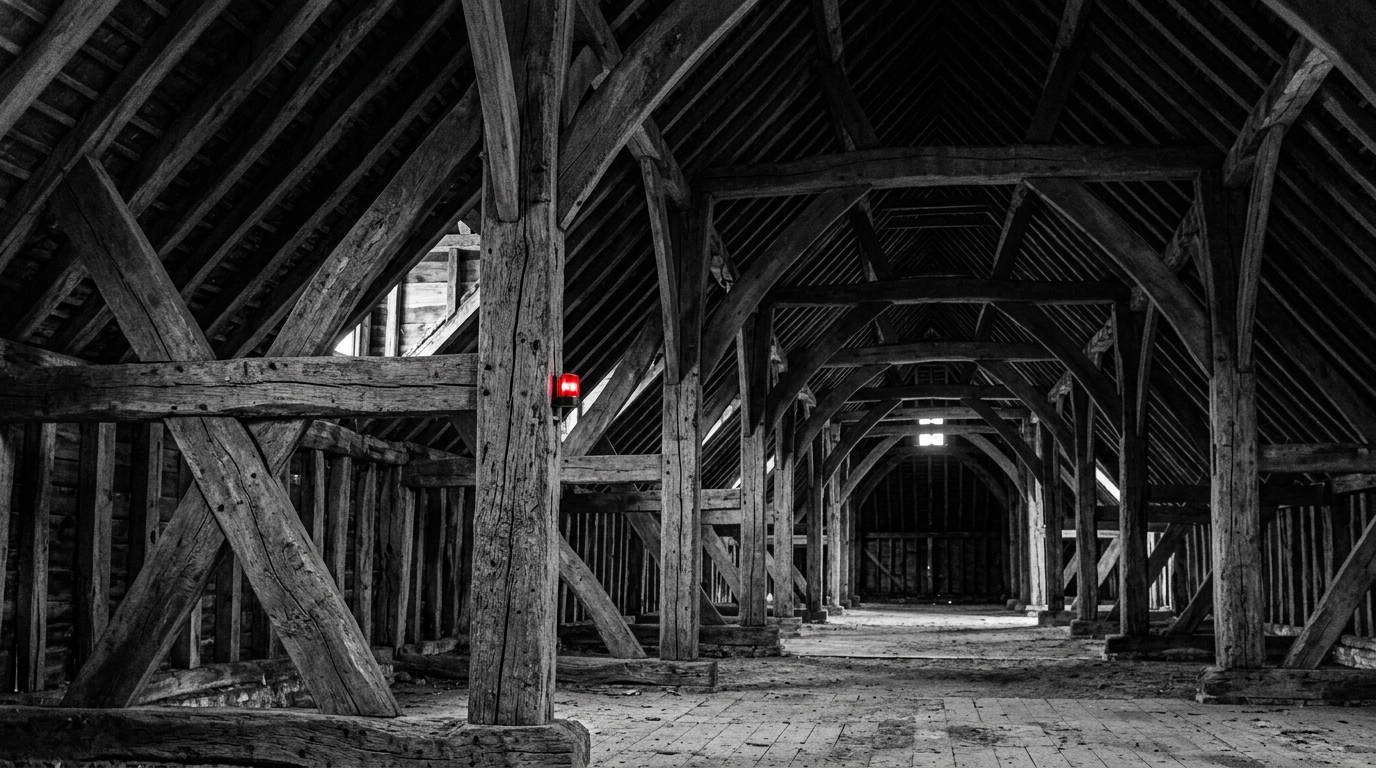
Heathrow Airport's proposed expansion, which includes the construction of a third runway, has drawn significant criticism from heritage experts and campaigners concerned about the potential damage to a historic 600-year-old structure. The New Barn in Harmondsworth, a medieval building dating back to 1426, is believed to be at risk from increased air traffic vibrations, according to those opposing the project. The public consultation period for the expansion initiative is scheduled to conclude on September 1, intensifying the debate surrounding the preservation of this significant historical landmark.
The New Barn is situated within a few hundred meters of the airport's proposed expanded boundary. It stands as England's largest surviving timber-framed structure from the medieval period, notable for retaining more than 95 percent of its original oak timbers. Its exceptional state of preservation and proximity to a major infrastructure project make its future a focal point of contention.
Structural Integrity Concerns Raised
Experts are highlighting that low-frequency vibrations generated by a higher volume of aircraft could severely compromise the oak trusses supporting the New Barn. This could lead to irreparable structural damage to the historical site, which measures nearly 60 meters in length and stands 11 meters tall. The close proximity of the proposed expanded airport perimeter to the ancient building is a central issue for critics.
Justine Bayley, chairperson of the Stop Heathrow Expansion campaign, has publicly underscored the critical risk, indicating that the barn could face significant impact from vibrations stemming from aircraft take-offs. Further anecdotal evidence comes from Christian Hughes, a resident whose Longford home is slated for demolition due to the third runway. Hughes reported that a relatively new house in a nearby hamlet has already exhibited considerable cracking, which he attributes to existing aircraft vibrations, raising broader concerns about structural integrity in the area.
Official Review and Historical Significance
The Department for Transport is currently undertaking a review of policy statement amendments that relate directly to the airport's expansion proposals. Heathrow officials have stated that the New Barn is located outside the immediate airport boundary and that any potential impacts will be thoroughly addressed during the development consent order process, which is a key regulatory stage for major infrastructure projects.
However, local stakeholders argue that existing vibration data collected from residential areas surrounding the airport already suggests a considerable threat to nearby heritage assets. Marian Campbell, an art historian and former curator at the Victoria and Albert Museum, described the New Barn as an "exceptionally rare survival." Its impressive scale and remarkable adjacency to Heathrow's runways make its preservation particularly challenging amidst ongoing infrastructure development. This ongoing discussion underscores the inherent conflict between advancing significant national infrastructure projects and the crucial need to safeguard protected historical architecture.
Future Outlook for Preservation Efforts
Should the Heathrow expansion project proceed, a key consideration will be the effectiveness of mitigation strategies designed to protect the New Barn from escalating aircraft vibrations. The continuing policy review by the Department for Transport, coupled with the upcoming development consent order process, represent crucial stages in determining the project's future. These processes will ultimately decide how the balance is struck between further airport growth and the vital preservation efforts required for this unique historical landmark.