Russia warns Ukraine war targets may widen after drone hits
Putin threatened strikes on Ukraine’s economic sectors after Kyiv expanded attacks on Russian infrastructure, increasing pressure on Black Sea grain routes.
Claire Dubois ·
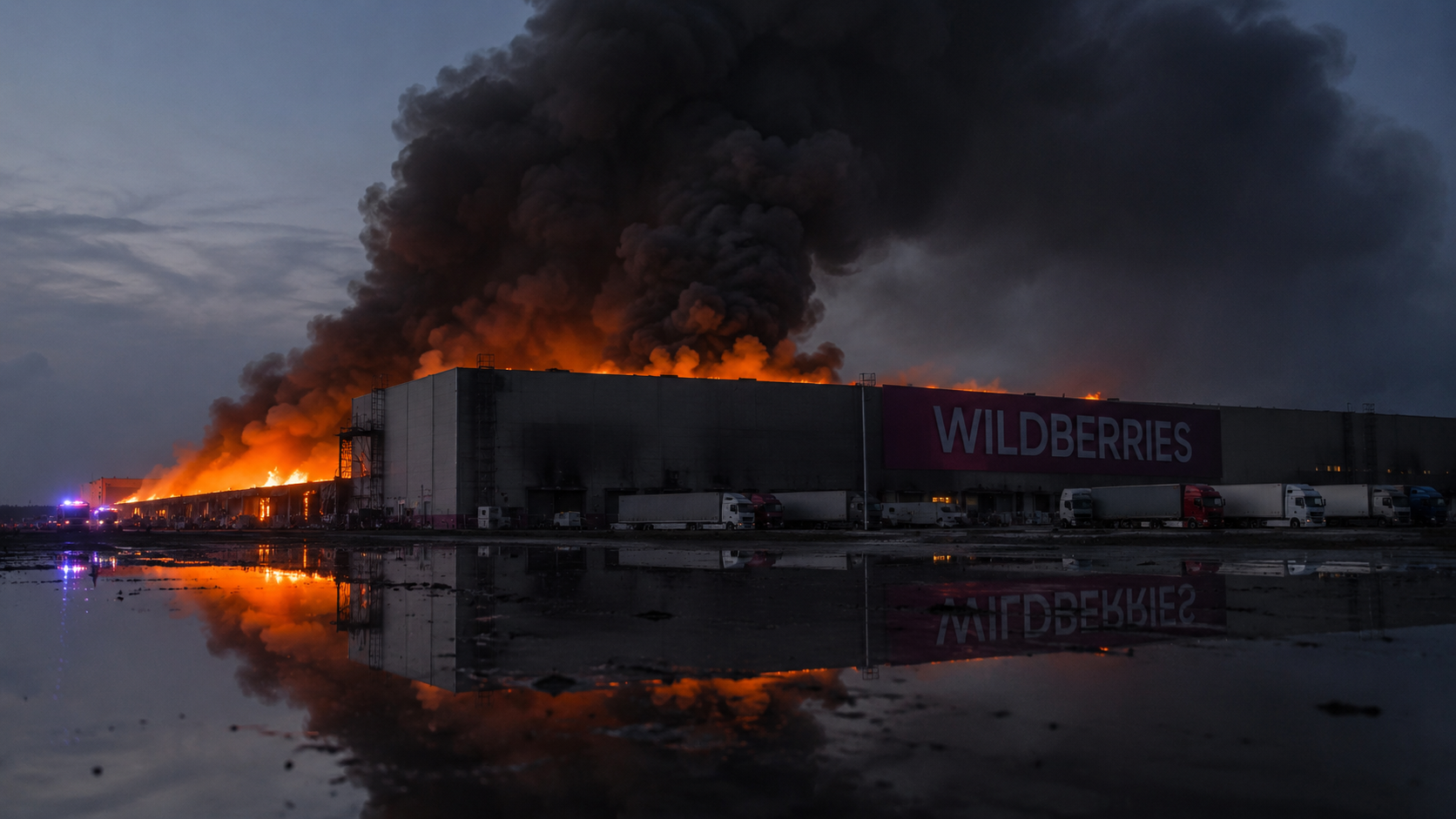
Putin threatened retaliation in the Ukraine war on August 22, raising risks around Black Sea grain and energy infrastructure after Kyiv hit Russian economic targets.
Putin frames strikes as reprisal
Russian President Vladimir Putin said Kyiv had "opened Pandora’s box" by attacking Russian economic sites, according to remarks published Saturday by Russian state television. He said Moscow would respond against Ukraine’s "most sensitive economic sectors," placing economic infrastructure deeper inside the conflict’s target set.
Ukraine has stepped up drone attacks this summer on Russian assets it describes as tied to Moscow’s war effort. The targets cited in the latest exchange include oil refineries and warehouses used by online retailers, expanding the campaign beyond military positions and toward logistics, fuel and commercial infrastructure.
Russia has answered with strikes on Ukrainian economic facilities, including assets linked to grain exports through the Black Sea. The sequence matters for commodity markets because both countries are major agricultural exporters, and Black Sea shipping has repeatedly been exposed to military and insurance risk since Russia’s full-scale invasion of Ukraine.
Black Sea grain pressure returns
The Black Sea grain corridor had previously operated under a deal brokered by Turkey, which sought to shield agricultural shipments from the conflict. Russia left that arrangement in 2023, removing a formal mechanism that had helped separate food exports from the broader war.
Putin said the latest Russian strikes would not produce a global food shortage, arguing that Russian exports could replace any Ukrainian volumes disrupted by attacks. He also acknowledged problems with Russian shipments, saying Moscow faced obstacles in moving its own goods but would address them.
Kyiv has also targeted Russian grain export infrastructure, according to the remarks and the cited pattern of attacks. That adds a second pressure point: Ukraine’s export routes are exposed to Russian strikes, while Russian agricultural flows face their own operational and security risks.
For Ukrainian farmers and exporters, repeated attacks can raise transport costs, delay shipments and increase reliance on alternative routes. For Russian refiners, retailers and grain handlers, drone strikes can force repairs, disrupt storage and move more security spending onto balance sheets already shaped by sanctions and war logistics.
Peace terms stay tied to territory
Putin also repeated that Moscow was prepared to discuss peace only on the basis of "realities on the ground." He rejected what he called "exotic" proposals that he said Ukraine had passed through intermediaries, keeping Russia’s stated position linked to battlefield control rather than a prewar map.
That stance narrows the diplomatic channel at the same time as both sides are putting economic infrastructure under pressure. If talks remain tied to territorial positions, each side has an incentive to preserve leverage through strikes, production capacity and export access.
If the strike-and-counterstrike cycle continues, the global effect would likely run through risk pricing in food, fuel and shipping rather than immediate shortages. Ukraine would face added strain on exporters and fiscal revenue, while agricultural traders, insurers and shipowners would price Black Sea cargoes with a wider security buffer.
If Black Sea shipments keep moving despite attacks, pressure on global food prices would be more contained, but the sector would still absorb higher operating risk. In that case, Ukraine’s exporters would focus on route resilience, Russia would test whether it can maintain export volumes, and insurers would keep adjusting premiums around port and storage exposure.
If diplomacy gains traction, the mechanism would shift from infrastructure attrition to bargaining over territory, sanctions, shipping guarantees and security commitments. The open questions are whether Ukraine can sustain long-range drone operations, whether Russia can protect refineries and export terminals, and whether any outside broker can restore credible safeguards for grain flows.