Canada Seeks Deal to Stop 50% U.S. Tariffs by Wednesday
Canada is in late talks with the U.S. to avert 50% tariffs due Wednesday on $20.2B of exports, officials said, but the outcome is uncertain.
Atlas Newsdesk ·
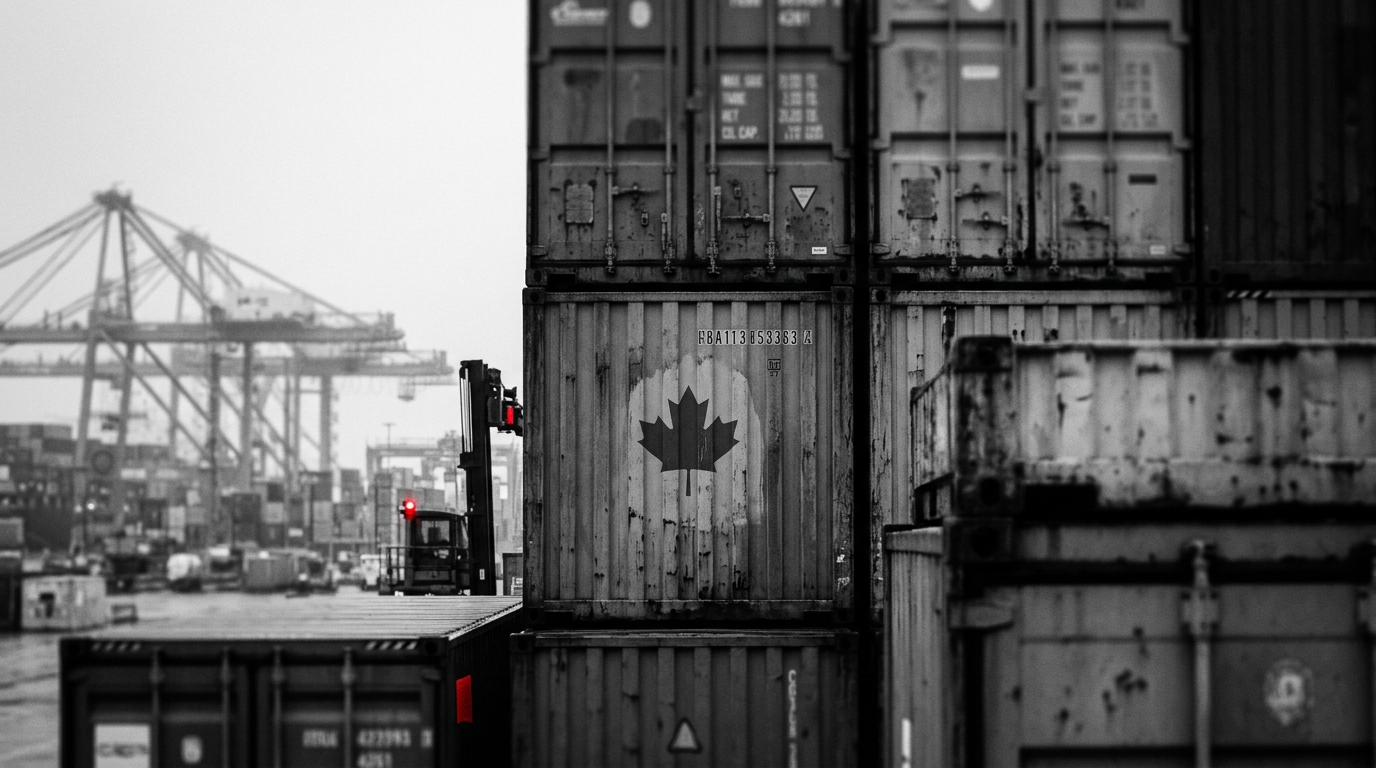
Canadian officials are in last-minute negotiations with the United States to prevent 50% tariffs scheduled to start on Wednesday, according to officials familiar with the talks. The proposed duties would cover about 20.2 billion dollars worth of Canadian exports and would widen an ongoing dispute between Ottawa and Washington. Officials said that if a deal is not reached before the deadline, many Canadian products could lose competitiveness in the U.S. market.
The potential tariff list spans a wide range of goods, including industrial machinery, electronics, furniture, and agricultural products, officials said. By targeting such a broad mix, the measures would extend beyond a single sector and could affect multiple supply chains that depend on cross-border trade.
Section 338 route raises stakes for duty-free trade
is pursuing the planned action under Section 338 Officials said the U.S. is pursuing the planned action under Section 338 of the Tariff Act of 1930. They described the move as a more aggressive step in the trade conflict, both because of the size of the threatened tariffs and because of the legal mechanism being cited to justify them. Officials also said the planned duties would put additional pressure on the duty-free treatment that many products have received under the United States-Mexico-Canada Agreement. They characterized the possible shift as a direct challenge to the prevailing approach for goods that have previously been covered by that framework. Trump points to autos, dairy, and alcohol restrictions President Donald Trump has cited Canadian restrictions related to U.S. automobiles, dairy, and alcohol as key drivers behind the punitive plan, officials said. The dispute has pulled politically sensitive sectors into the center of the talks, which officials said makes a rapid agreement harder.
Prime Minister Mark Carney said discussions have been intense and stressed that a workable outcome requires coordination across provinces. Officials said provincial rules are intertwined with some of the areas raised by the U.S. side, adding complexity to national-level bargaining.
Provincial policies complicate a national compromise
Officials said several Canadian provinces maintain bans on imports of U.S. alcohol, an issue cited within the broader dispute. In Quebec, officials have said the supply management system for dairy and poultry is not open to negotiation, limiting flexibility in one of the areas referenced by Washington.
Officials also pointed to an imbalance in trade exposure that increases the urgency for Ottawa. Figures cited in the discussions indicate about 70% of Canadian exports go to the U.S., while roughly 30% of U.S. exports are sent to Canada.
Canada pursues Asian-market diversification alongside talks
Alongside the immediate effort to prevent the tariffs from taking effect, officials said the Canadian government has begun a longer-term push to expand trade relationships toward Asian markets. Officials framed the effort as a way to reduce dependence on the United States as the dominant destination for Canadian exports.
For now, officials said the central question remains whether negotiators can close remaining gaps tied to market access and provincial cooperation before Wednesday. They said the outcome is still uncertain.