Hamas Urges Iran to Avoid Regional Targets
Hamas publicly urged Iran on March 14, 2026, to avoid targeting neighboring countries while affirming Iran's right to respond to aggression.
Lauren Collins ·
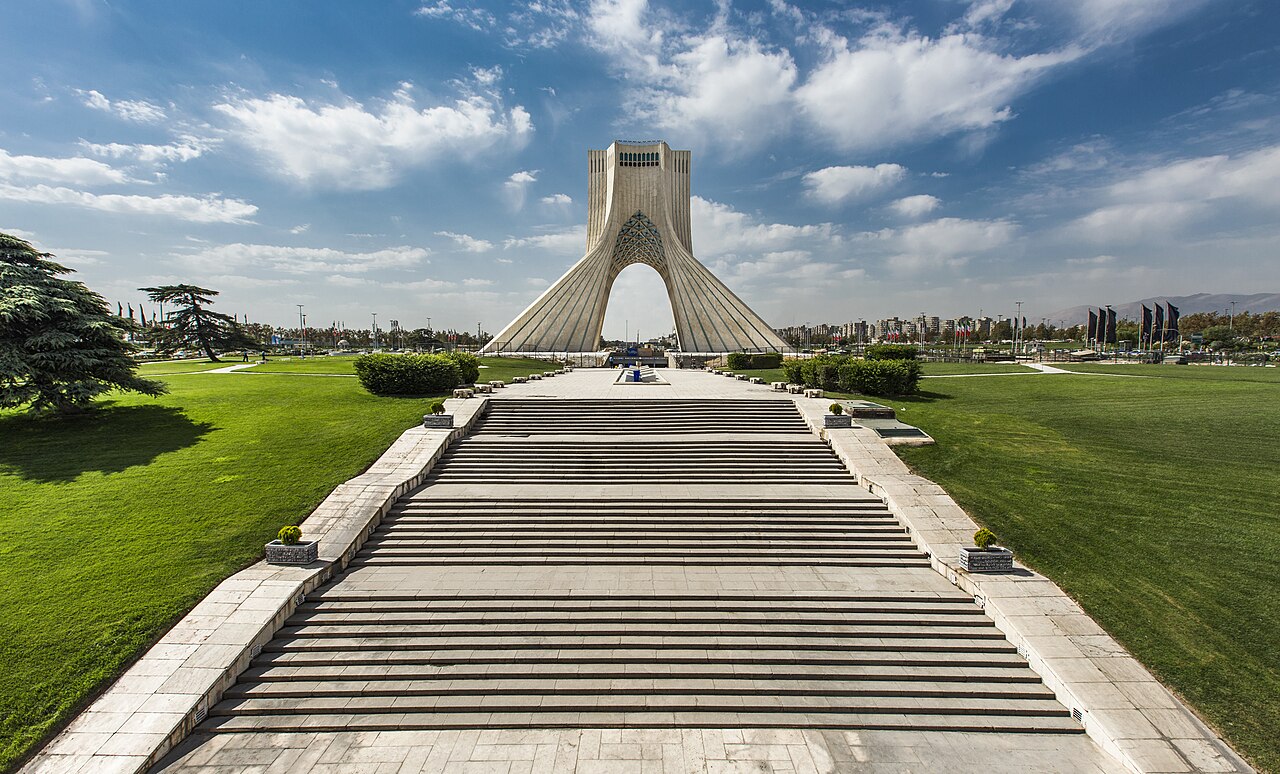
Hamas, the Palestinian militant organization, publicly appealed to Iran on March 14, 2026, to refrain from targeting neighboring nations. This unprecedented statement, issued amidst heightened regional instability, also affirmed Iran's prerogative to retaliate against perceived U.S.-Israeli aggression.
This marks the first instance of Hamas publicly commenting on Iranian foreign policy. The group's declaration underscores the complex and often divergent interests within the Iran-aligned "Axis of Resistance" in the Middle East. While acknowledging Iran's right to respond, Hamas specifically requested that any retaliatory actions avoid impacting regional states.
Regional Tensions Escalating
The appeal from Hamas emerges during a period of significant escalation across the Middle East. Recent months have witnessed a series of interconnected conflicts involving various state and non-state actors. These include ongoing hostilities between Israel and Hamas, despite a temporary ceasefire in Gaza last October.
Further complicating the regional landscape, Lebanon's Hezbollah, another Iran-backed group, initiated attacks against Israel on March 2. These actions were reportedly in response to the killing of a senior Iranian official, prompting immediate Israeli counter-strikes. The Houthi movement in Yemen, also aligned with Iran, has voiced support for Tehran but has not yet indicated a resumption of its Red Sea shipping attacks.
Strategic Implications for Iran
Iran's strategic posture in the Middle East involves a network of proxy groups, including Hamas, Hezbollah, and the Houthis. These alliances are central to Tehran's regional influence and its deterrence strategy against adversaries like the United States and Israel. However, the public plea from Hamas suggests potential internal pressures or a desire to manage the broader consequences of any Iranian response.
An escalation of conflict involving direct Iranian strikes on neighboring countries could have severe economic and political repercussions for the entire region. Such actions risk broadening the scope of existing conflicts, potentially drawing in additional international actors and disrupting vital global trade routes, particularly in the Persian Gulf.
International Community Concerns
The international community has consistently expressed concerns about the potential for a wider regional conflagration. Diplomatic efforts have focused on de-escalation and preventing miscalculations that could lead to an uncontrollable cycle of violence. The statement from Hamas could be interpreted as an attempt to mitigate such risks, reflecting a pragmatic assessment of the potential fallout from an uncontained Iranian response.
The intricate web of alliances and rivalries in the Middle East means that actions by one party often trigger reactions from others. Hamas's public counsel to Iran highlights the delicate balance of power and the shared, yet sometimes conflicting, objectives among the various actors involved in the region's ongoing instability.
Implications
Country Impact: The public statement by Hamas could signal internal divisions or strategic considerations within the 'Axis of Resistance,' potentially influencing Iran's future retaliatory actions and its relationships with regional proxies. It also highlights the complex dynamics among non-state actors and their state sponsors.
Industry Impact: Any direct Iranian targeting of neighboring countries could severely disrupt energy markets, particularly oil and gas supplies from the Persian Gulf. This would lead to increased shipping insurance costs and potential rerouting of trade, impacting global supply chains and commodity prices.
Market Impact: Increased regional instability stemming from Iranian retaliation could trigger significant volatility in global financial markets. Investors might seek safe-haven assets, leading to a stronger dollar and yen, while equity markets in affected regions and globally could experience downturns due to heightened geopolitical risk.