US-Iran Conflict Escalates, Oil Flow Halted
A U.S. military operation against Iran on February 28 escalated into conflict, halting oil flow through the Strait of Hormuz and causing a global energy…
Lauren Collins ·
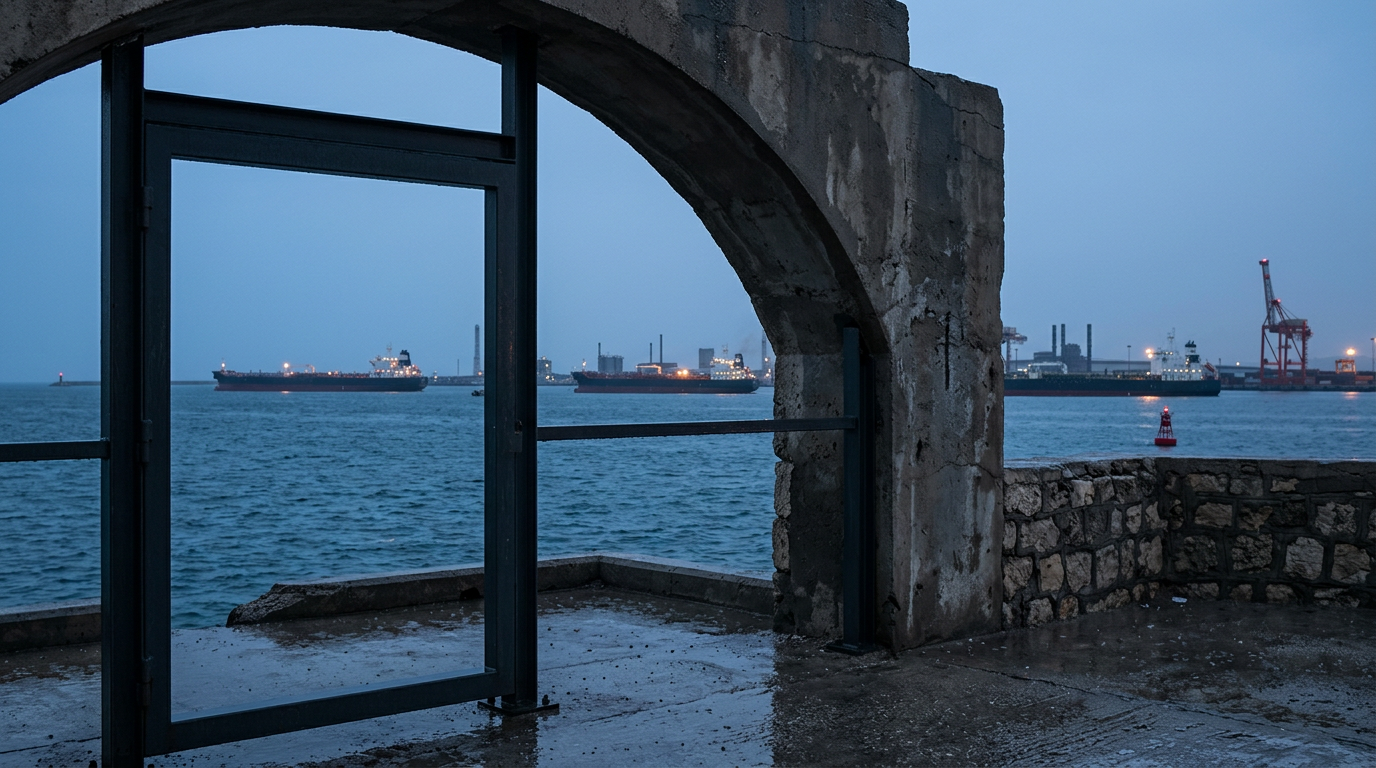
A military operation initiated by the United States against Iran on February 28 has led to an open-ended conflict, significantly disrupting global oil supplies. The initial U.S. strikes, reportedly based on intelligence concerning Supreme Leader Ali Khamenei, resulted in the deaths of Khamenei and other senior Iranian officials. This action, however, inadvertently eliminated all identified successors, leading to an unexpected consolidation of power within the remaining Iranian leadership.
This consolidation has prompted a more aggressive Iranian response than U.S. planners anticipated. Iranian forces have targeted oil tankers and effectively halted the flow of oil through the critical Strait of Hormuz. This disruption has triggered a global energy crisis, impacting international markets and economies.
Military Engagements and Casualties
Two weeks into the conflict, the United States has reported 13 service member fatalities and approximately 140 wounded personnel. The ongoing military engagements underscore the intensity of the confrontation and the risks involved for both sides.
Domestic Political Repercussions
In the United States, public opinion polls indicate low support for the military intervention. The current administration has not yet presented a clear strategy for de-escalating or concluding the conflict, raising questions about its long-term objectives and potential exit pathways.
Global Energy Market Impact
The cessation of oil transit through the Strait of Hormuz, a vital chokepoint for global energy, has sent shockwaves through international energy markets. This disruption directly impacts crude oil prices and the stability of energy-dependent economies worldwide. The Strait typically handles a significant portion of the world's seaborne oil exports, making its closure a major economic event.
Geopolitical Context and Future Outlook
The escalation marks a significant shift in U.S.-Iran relations, moving from a period of heightened tensions to direct military confrontation. The unforeseen consequences of the initial strikes, particularly the consolidation of power within Iran, suggest a complex and unpredictable trajectory for the conflict. International efforts to mediate or de-escalate the situation have not been publicly successful, indicating a prolonged period of instability in the region.
Further developments will likely focus on the duration of the Strait of Hormuz blockade, the international community's response to the energy crisis, and any potential diplomatic initiatives. The conflict's broader implications for regional security and global trade remain a primary concern for policymakers and market analysts.
Implications
Country Impact: The United States faces domestic political challenges due to low public support for the conflict and the absence of a clear exit strategy. Iran's consolidated leadership may lead to sustained aggressive responses, impacting regional stability.
Industry Impact: The global energy sector is experiencing a severe crisis due to the halt of oil flow through the Strait of Hormuz. This will likely lead to increased oil prices, supply chain disruptions, and potential rationing in energy-dependent industries worldwide.
Market Impact: Global financial markets are reacting to the energy crisis, with potential volatility in crude oil prices, equity markets, and bond yields. Investor confidence may decline amid geopolitical uncertainty and economic instability.