Gunfire, Explosions Reported in Niger Capital Niamey
Gunfire and explosions rocked Niger's capital Niamey in the early hours of Saturday, August 29, 2026, near key government sites, signaling ongoing instability.
Lauren Collins ·
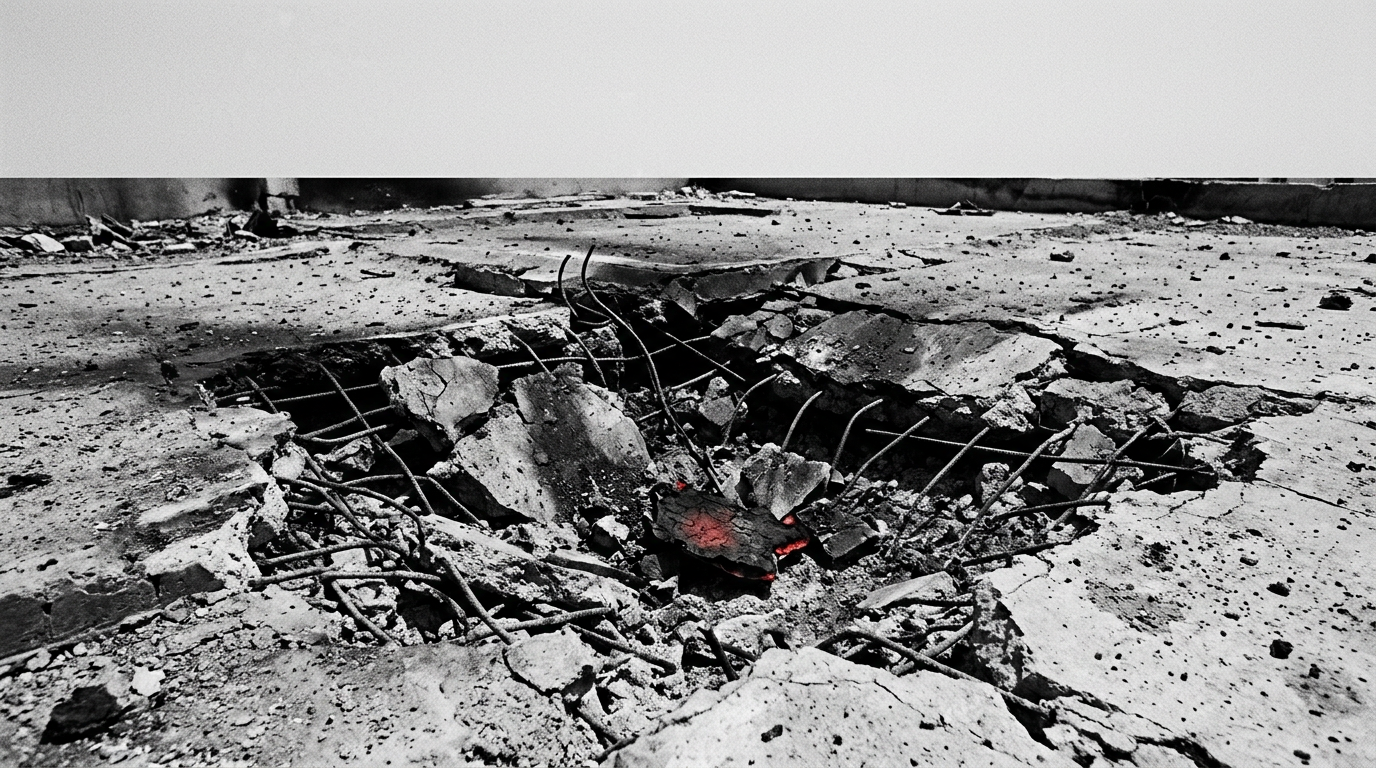
Niamey, the capital of Niger, experienced widespread gunfire and multiple explosions during the early hours of Saturday, August 29, 2026. Reports from witnesses indicated that the activity was concentrated near the Diori Hamani International Airport and the presidential palace. This suggests a significant security incident unfolding within the West African nation, although the precise reasons for the recent instability remain officially unconfirmed.
The deployment of heavy weaponry in close proximity to critical state infrastructure implies a substantial challenge to the authority of the ruling military government. As of now, there has been no official statement released by Niger's military authorities regarding the situation, contributing to a vacuum of information.
Post-Coup Political Landscape
This incident occurs nearly three years after the military coup in July 2023, which led to the removal of then-President Mohamed Bazoum. Following its ascent to power, the military government, under the leadership of General Abdourahamane Tchiani, has systematically distanced itself from established security and diplomatic partnerships with Western nations.
This strategic redirection has involved forging closer ties with Russia and aligning with other military-led governments in the Sahel region, notably Mali and Burkina Faso. The reported unrest underscores the persistent fragility within Niger's security environment and highlights broader regional challenges. This pivot towards new international partners represents a notable shift in the country's foreign policy and security doctrine, which had previously relied heavily on cooperation with Western states for counter-terrorism efforts and development assistance.
Regional Geopolitical Dynamics
The events unfolding in Niamey carry the potential for heightened political volatility in the coming days. The current administration is likely to face increased pressure to consolidate its authority amid these internal security challenges and the evolving regional geopolitical landscape. Deeper integration with Russia and neighboring military governments is part of a wider reorientation across the Sahel, as countries in the area aim to redefine their alliances and approaches to security and governance.
The international community is closely monitoring these developments, given Niger's strategic geographic location and its critical role in regional stability. Any prolonged period of unrest could have significant ripple effects across West Africa, potentially impacting humanitarian efforts, trade routes, and the ongoing struggle against extremist organizations. The absence of official government communication creates an information vacuum, which contributes to uncertainty regarding the scale and exact nature of the reported events.
Uncertainty Surrounding Official Response
The lack of an official response from the Nigerien military government leaves numerous questions unanswered concerning the perpetrators, their motivations, and the full extent of the impact of the reported gunfire and explosions. Observers anticipate that any official communication will be crucial for understanding the government's perspective and its strategy for addressing these apparent security threats to its rule. The incident serves as a stark reminder of the complexities and inherent risks within Niger's current political climate and its impact on regional stability.