Gulf sirens sharpen Washington’s Iran deterrence test in Kuwait and Bahrain
Iranian attacks on Kuwait and Bahrain threaten U.S. Gulf commitments. Washington must reinforce deterrence without widening the regional conflict.
Lauren Collins ·
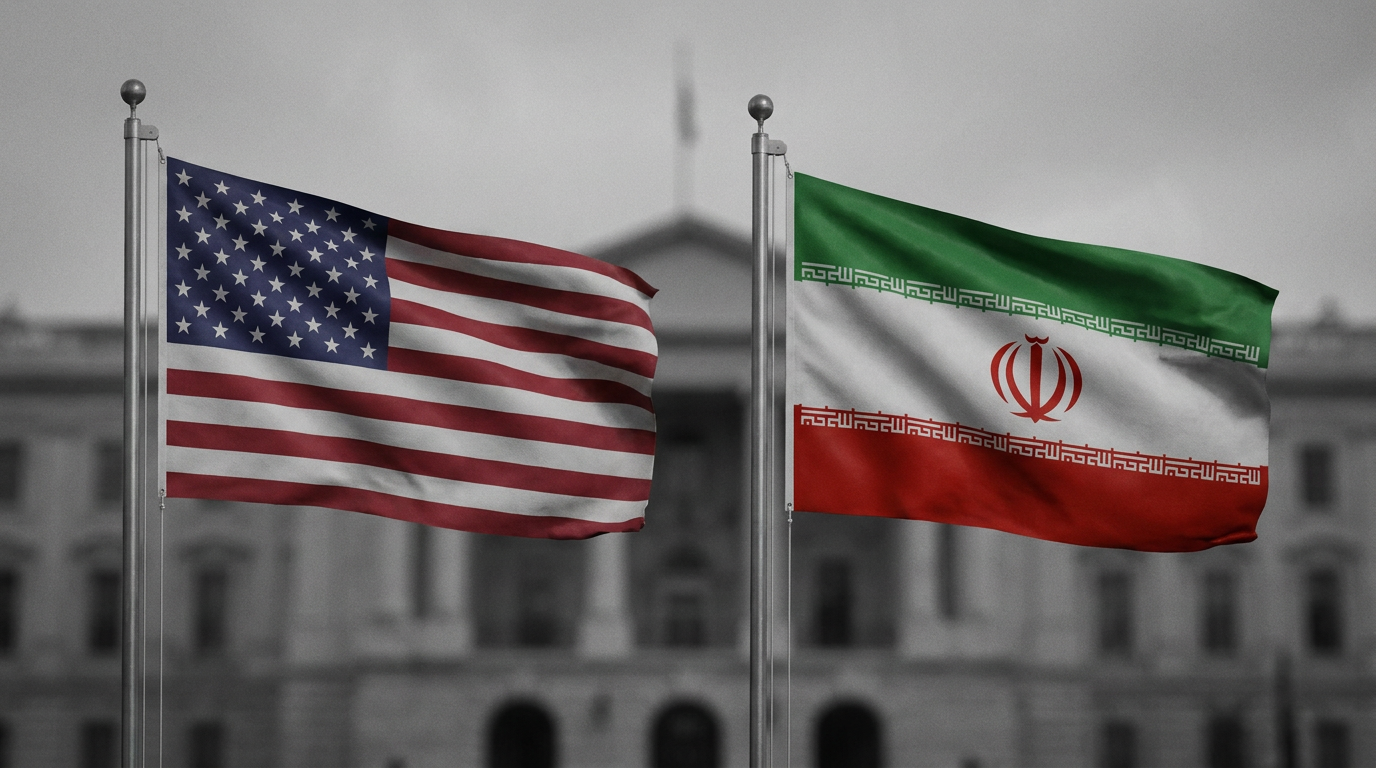
# Gulf sirens sharpen Washington’s Iran deterrence test in Kuwait and Bahrain
Washington is confronting a sharper Gulf security problem after a regional report said Kuwait and Bahrain activated defenses against renewed Iranian attacks following another night of U.S.-Iran exchanges. The account said the latest sirens came after the reported deaths of two U.S. service members in a strike on a U.S. military base in Jordan, a sequence that would push the confrontation closer to American partners hosting core pieces of the U.S. military presence in the Middle East.
If Iranian fire or Iranian-linked operations are now
The immediate question for the Biden administration is no longer only how to answer attacks on U.S. forces in Iraq, Syria or Jordan. If Iranian fire or Iranian-linked operations are now testing Kuwait and Bahrain, the White House, Pentagon and State Department face a more complex choice: signal that Gulf partners remain protected, while avoiding a military cycle that Tehran could use to spread the conflict across the region.
Kuwait and Bahrain occupy different but connected places in Washington’s regional posture. Bahrain hosts the U.S. Navy’s Fifth Fleet, which gives the United States a platform for maritime security, crisis response and deterrence across the Gulf. Kuwait has long been a major U.S. logistics and staging hub, linking American operations in the Gulf to Iraq and the wider Middle East.
That geography matters because U.S. strategy in the Gulf rests on access as much as firepower. American bases, ports and airfields allow Washington to move forces quickly, protect shipping lanes and reassure Arab partners that they do not have to make separate security bargains under pressure from Iran. If those same sites become more exposed, the credibility of the U.S. security umbrella becomes part of the battlefield.
Bahrain Washington
The reported escalation follows months in which U.S. forces and Iran-aligned groups have exchanged blows across the region, with American personnel, regional bases and maritime routes all treated as pressure points. The Biden administration has tried to draw a line between deterrence and escalation: retaliate when U.S. forces are hit, strengthen air and missile defense around partners, and keep the conflict from becoming a direct regional war.
That balance is difficult because Iran does not need to match U.S. power directly to raise costs. Tehran can rely on geography, missiles, drones and allied armed groups to create overlapping threats from the Levant to the Gulf. For Washington, each new front creates a demand for reassurance from allies and a risk that the United States will be pulled deeper into the fight.
Bahrain is especially sensitive because it is central to U.S. naval operations near the Strait of Hormuz, the narrow waterway through which a large share of seaborne oil trade passes. Kuwait is sensitive for a different reason: it is a long-standing partner whose territory has supported U.S. regional deployments since the Gulf War era. A threat to either country is not only a local security issue; it pressures the operating system behind America’s Middle East posture.
Congress will also matter. Lawmakers are likely to press the Pentagon for details on force protection, whether air defense assets are adequate, and whether the administration has a clear threshold for responding to attacks that hit Gulf partners but do not directly kill Americans.
The White House will be pushed from two sides: hawks will argue that restrained responses invite more Iranian risk-taking, while skeptics will warn that an expanding campaign could trap the United States in another open-ended Middle East conflict.
The State Department’s role is to keep the coalition intact. Kuwait and Bahrain will want visible U.S. backing, but they also have incentives to avoid becoming launchpads for a wider war. Other Gulf states will watch whether Washington can defend partners without making every U.S. facility in the region a more attractive target.
The falsifiable test is whether Washington materially hardens its
posture in Kuwait and Bahrain by April 30, 2024.
If the Pentagon announces additional air defense, naval, intelligence or force-protection
measures tied specifically to those countries, and if the White House or State Department pairs that with explicit warnings to Iran, it would show the administration is moving from calibrated retaliation toward reinforced Gulf deterrence. If no substantial new deployments or public assurances follow, and Washington relies mainly on existing assets and private diplomacy, it would suggest the administration still sees containment, not escalation dominance, as the safer path.