Washington weighs Iran escalation risk after reported U.S. warplane strikes
Reports of U.S. airstrikes in southern Iran, if confirmed, would test the Biden administration’s effort to deter attacks without a direct war.
Lauren Collins ·
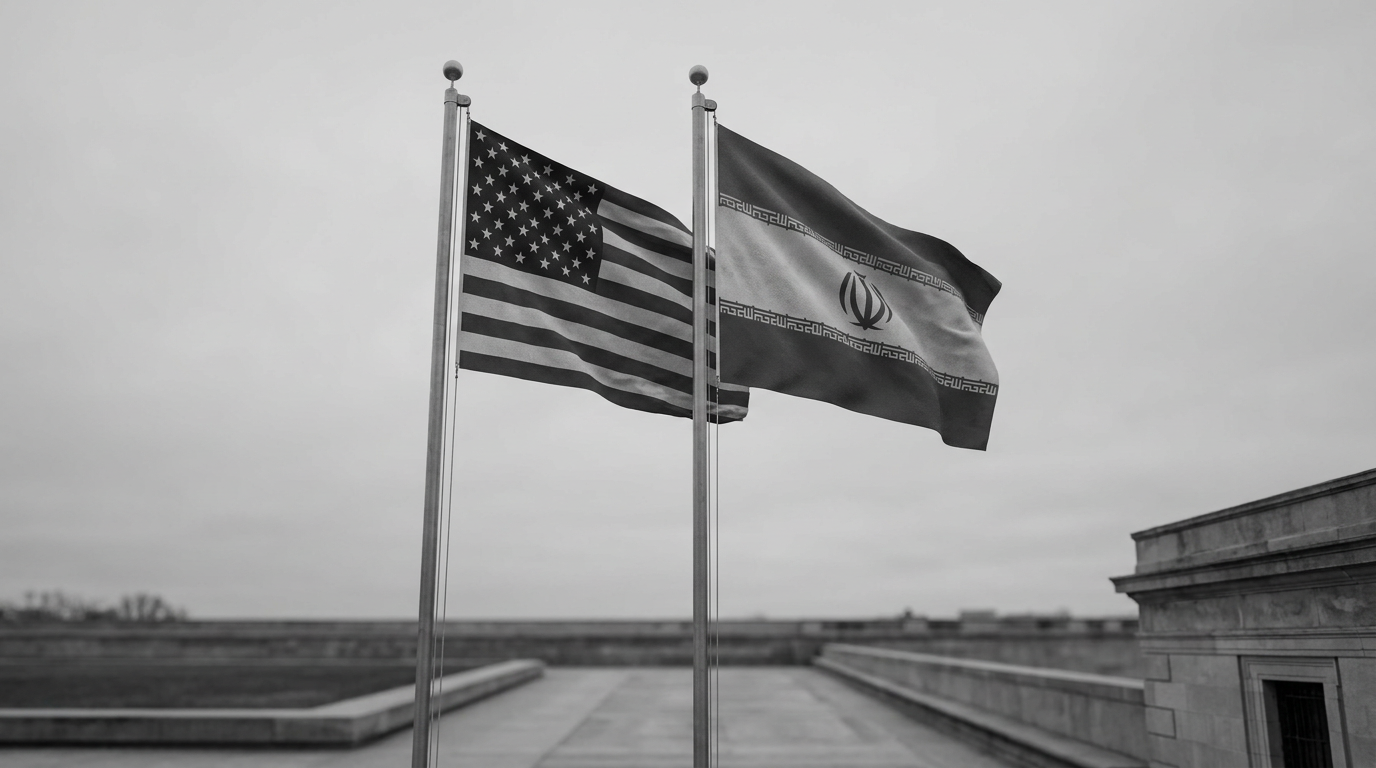
# Washington weighs Iran escalation risk after reported U.S. warplane strikes
Washington faced a sharper Middle East escalation test after a report said U.S. warplanes struck southern Iran, following CENTCOM’s statement that it had completed an eighth straight night of strikes. The reported operation has not been officially confirmed by the United States or Iran, but even the claim puts pressure on the Biden administration’s core regional argument: that it can hit Iran-backed forces hard enough to restore deterrence without sliding into direct conflict with Tehran.
For the White House
For the White House, the immediate problem is less the single reported strike than the boundary it may represent. U.S. military action against Iran-linked groups in Yemen, Iraq and Syria has already carried escalation risk, but a confirmed strike inside Iranian territory would be read in Washington, Tehran and Gulf capitals as a different category of operation.
Since the Hamas attacks on Israel on Oct. 7, the Biden administration has tried to manage several connected crises at once: the war in Gaza, attacks on U.S. personnel in the region, Houthi strikes on commercial and military shipping, and the risk of a direct U.S.-Iran clash. The White House and National Security Council have repeatedly leaned on the same formulation: defend U.S. forces and preserve freedom of navigation, while avoiding a wider regional war.
That approach depends on separating Iran from the groups it supports. In practice, Washington has treated attacks by Iranian-aligned forces as threats that justify U.S. military response, while usually aiming those responses at proxy infrastructure rather than Iranian state territory. That distinction matters because it gives both sides room to send signals without forcing an open confrontation between two national militaries.
Middle East
The Houthi campaign in the Red Sea has made that distinction harder to sustain. The group’s attacks on shipping have pulled the Pentagon into repeated strikes and maritime defense operations, turning a conflict linked to Gaza into a standing security challenge for one of the world’s most important trade corridors. CENTCOM’s announcement of an eighth consecutive night of strikes suggests the operation is no longer episodic retaliation; it has become a tempo that policymakers must justify strategically and legally.
Inside Washington, the Pentagon will focus first on force protection and target assessment. Officials would need to determine whether any reported strike in Iran was intentional, what platform conducted it, what target was hit, and whether U.S. personnel or regional bases face immediate retaliation risk. The State Department’s task would be different: reassure Gulf partners, warn Tehran against escalation, and keep European and Arab governments aligned around the argument that Washington is acting defensively.
Congress is the other pressure point. Strikes against Iran-backed groups have already prompted questions from lawmakers over war powers, authorizations and consultation. A confirmed strike inside Iran would intensify those questions because it would be easier for critics to argue that the United States had crossed from defensive action into direct hostilities with a sovereign state.
The Gulf diplomacy layer is just as important. Saudi Arabia and other Gulf governments have spent recent years trying to reduce exposure to Iranian retaliation, including through de-escalation channels with Tehran. If U.S. action is perceived as moving from proxy targets to Iranian soil, those governments may support deterrence in private while pushing publicly for restraint, especially if energy infrastructure, shipping lanes or domestic stability appear at risk.
For Tehran, ambiguity can be useful. If Iran denies a strike or attributes it to another actor, it preserves room to avoid direct response. If it confirms a U.S. strike on its territory, domestic and military pressure to answer may rise, even if Iran prefers to continue using allied groups as the main channel for pressure on Washington and its partners.
The administration’s strategic vulnerability is that deterrence has to be visible to adversaries but bounded enough to reassure partners. Too little force invites more attacks on U.S. assets and shipping. Too much force can collapse the distinction between deterring Iran-backed groups and fighting Iran itself.
The next 72 hours will test whether the reported strike becomes
a confirmed escalation or a contested claim that fades back into the existing proxy conflict.
If the United States or Iran confirms strikes inside Iranian territory
by 2024-05-15, and Iran then conducts a direct military response against U.S. assets or personnel, Washington’s deterrence framework will look broken: global markets would price higher regional risk, the Biden administration would face a war-powers fight at home, and the shipping and defense sectors would prepare for a longer security crisis around the Gulf and Red Sea.
If the report is denied or attributed
to non-U.S. actors, and U.S. operations remain focused on Houthi or other proxy targets, the current pattern holds: persistent military pressure, rising congressional scrutiny, and a regional security environment tense enough to disrupt shipping but not yet defined by open U.S.-Iran combat.