Gold forecast raised to $5,000 on central bank buying
Gold forecast upgrades now target $4,700–$5,000 an ounce by late 2026 or early 2027, driven by record official-sector demand.
Atlas Newsdesk ·
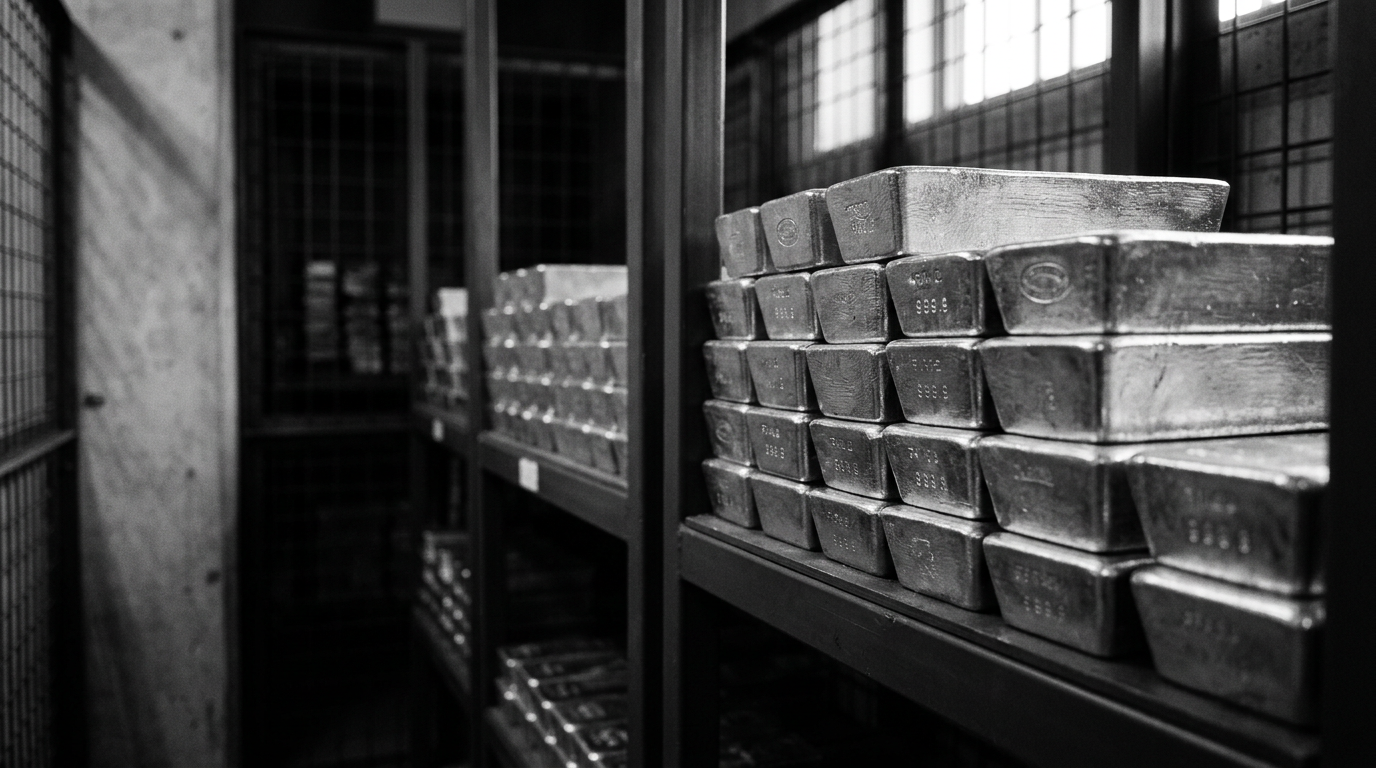
Gold price projections have been revised higher, with updated forecasts pointing to a range of $4,700 to $5,000 per ounce by late 2026 or early 2027. The shift reflects continued strength in official-sector demand, which has been described as reaching record levels.
Officials and market observers cited central bank activity as a key driver, including purchases that are not always publicly disclosed. That pattern has been framed as a structural support for bullion prices, reducing the likelihood of sustained downside pressure when other market factors turn less favorable.
Central bank demand sets the tone
Official-sector demand was reported at $45 billion in the second quarter, underscoring the scale of institutional participation in the market. The same data points to a buying environment that remains active even as short-term conditions such as energy costs and interest-rate volatility fluctuate.
Alongside the headline numbers, ongoing acquisitions that are not widely publicized have been highlighted as particularly important. By spreading buying over time and limiting immediate market visibility, these purchases can reinforce a steady bid for gold without necessarily producing a single, identifiable spike in demand.
China’s reserve accumulation and market plumbing
China was described as extending its reserve accumulation to 20 consecutive months, a signal of sustained official interest. The development has been characterized as consistent with a longer-term approach to reserve composition and asset allocation.
In parallel, the Shanghai Gold Exchange is moving toward closer integration with Hong Kong markets to support cross-border gold trading denominated in yuan. The aim, according to the description provided, is to improve liquidity and broaden international access to Chinese gold settlement systems.
This market-infrastructure push focuses on how gold is traded and settled rather than on price targets alone. By expanding channels for cross-border participation and settlement, the changes are positioned as a practical step to support higher trading volumes and smoother access for participants that operate across jurisdictions.
Emerging markets and the diversification theme
Beyond China, emerging market central banks are also being watched for signs of renewed interest. South Korea was cited among the institutions signaling a return to, or expansion of, gold holdings.
Set against that backdrop, energy costs and interest-rate volatility were noted as potential near-term headwinds. However, the underlying narrative presented in the update is that sustained institutional demand is the primary catalyst behind the higher price expectations.
Collectively, the developments were described as consistent with a broader trend of reserve diversification away from traditional fiat-denominated assets. Even with uncertainties around the pace and disclosure of official purchases, the scale of reported demand and the emphasis on settlement infrastructure are central to the revised outlook.