US Imposes 15% Tariff on Imported Polysilicon
The US will apply a 15% tariff and minimum import price rules on polysilicon from December, citing national security supply concerns.
Atlas Newsdesk ·
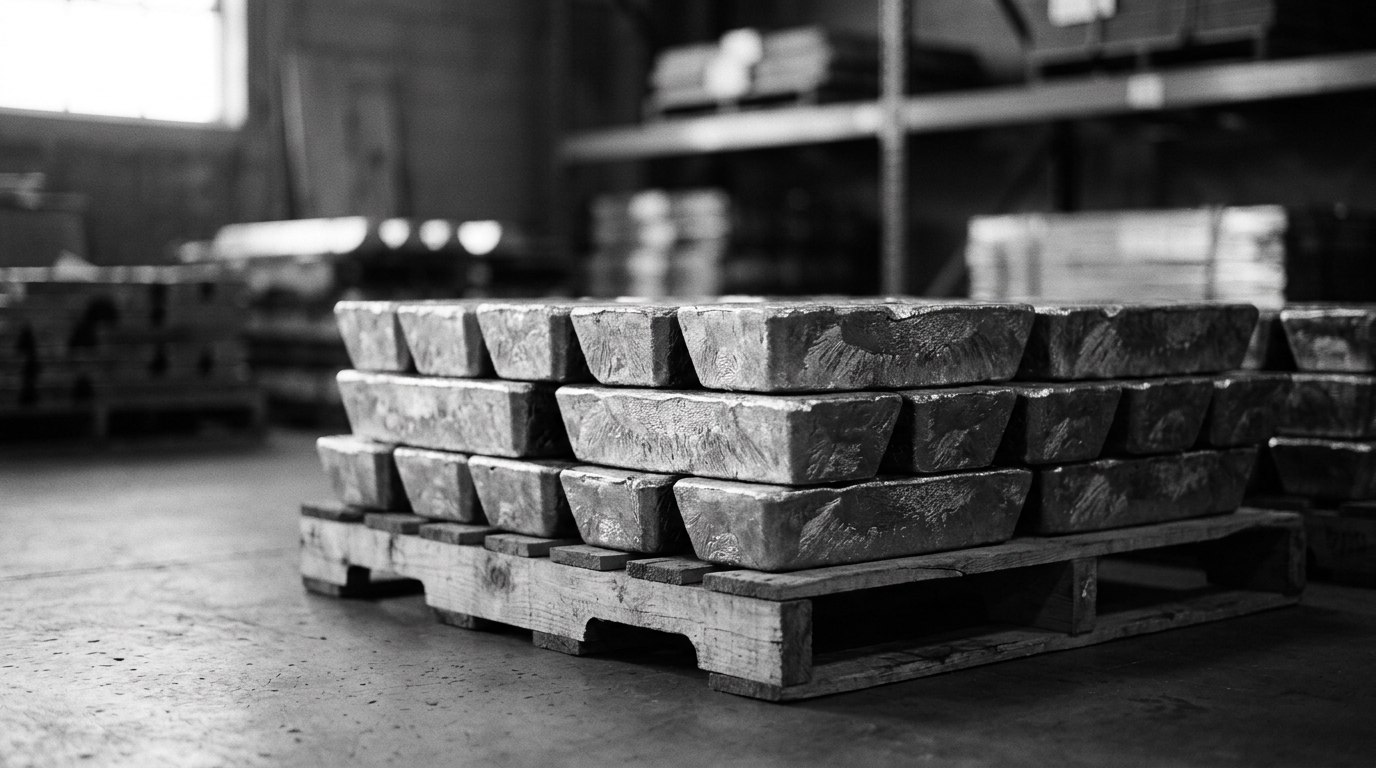
The United States will impose a 15% tariff on imported polysilicon and introduce minimum import price requirements starting in December, according to an executive action tied to a national security probe into supply capacity for key industrial inputs.
Officials said the investigation focused on the domestic ability to produce materials considered essential for semiconductors and solar panels. The administration is positioning the new trade measures as part of a broader effort to rebuild domestic supply and reduce exposure to overseas supply chains.
Polysilicon’s role in semiconductors and solar panels
Polysilicon is a foundational material used in semiconductor Polysilicon is a foundational material used in semiconductor manufacturing and in the solar industry, making its supply relevant to both advanced technology hardware and renewable energy equipment. The executive action pairs import barriers with domestic production incentives as the administration seeks to strengthen local capacity.
Officials cited a long-term decline in US market position as a key rationale. Domestic polysilicon production fell from 50% of global market share in 2005 to less than 2% in 2024, according to the figures referenced in the policy rationale.
Administration targets reliance on foreign supply chains The administration said the intent is to reduce dependence on foreign suppliers and address what it described as concentrated market power abroad. China’s current dominance in the polysilicon market was identified as a central concern driving the shift in trade posture.
Alongside the tariff, the minimum import price requirement is designed to establish a floor for incoming material, adding an additional constraint on import conditions. Officials presented the combined approach as a tool to support domestic manufacturers while the US pursues production incentives.
China warns of retaliation as trade tensions rise
Beijing criticised the move, describing it as an abuse of state power and a disruption to international trade. Chinese officials signaled that retaliatory steps could follow, framing any response as necessary to protect domestic firms.
The policy change comes against the backdrop of wider competition between the two countries in areas including artificial intelligence and critical hardware infrastructure, with polysilicon supply now drawn more explicitly into that contest.
Support for domestic producers, but volatility risks Officials said the tariffs are expected to deliver immediate fiscal support to US manufacturers currently operating in the sector by raising the cost of imported alternatives. The administration is also relying on domestic production incentives to reinforce that support over time.
At the same time, the measures increase the risk of supply chain volatility and could intensify trade friction across the broader technology manufacturing ecosystem. The scale and timing of any retaliatory actions, as well as the market response to minimum price rules, remain uncertain ahead of the December start date.
Implications
Country Impact: The December measures mark a shift toward stronger trade barriers to support US capacity in materials tied to semiconductors and solar panels. Officials presented the move as a national security response to declining domestic production.
Industry Impact: Polysilicon suppliers and downstream semiconductor and solar manufacturers may face new pricing and sourcing constraints due to tariffs and minimum import price rules. Domestic producers are expected to receive immediate fiscal support from the change.
Market Impact: The policy increases the risk of supply chain volatility and broader trade friction across the technology manufacturing ecosystem. Possible retaliatory steps indicated by Beijing add uncertainty around cross-border flows and costs.