Century Aluminum sets Q3 EBITDA at $325M–$345M
Century Aluminum guided Q3 adjusted EBITDA at $325M–$345M on Aug. 7, 2026, and reiterated an Oklahoma FID target of Dec. 31, 2026.
Mateo Fernandez ·
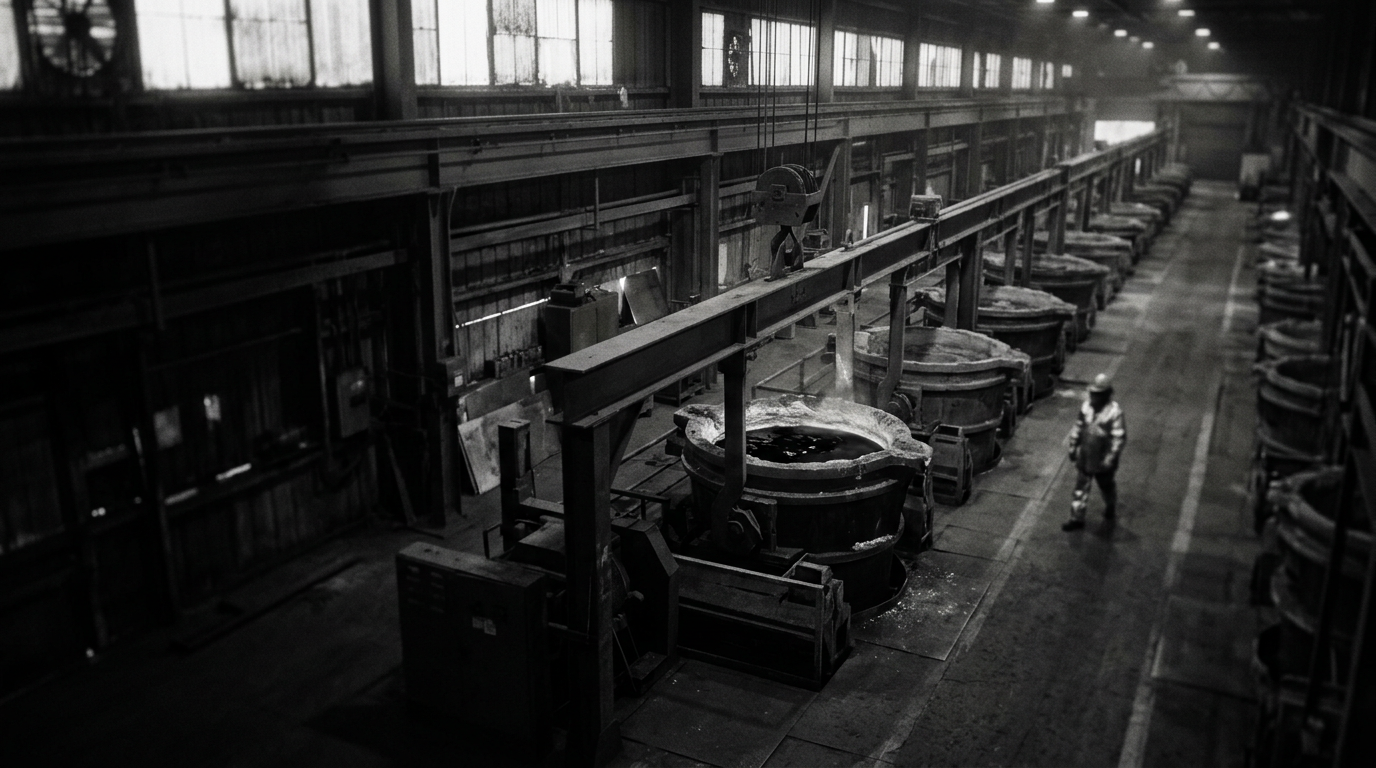
Century Aluminum said on Aug. 7, 2026 it expects third-quarter adjusted EBITDA of $325 million to $345 million, issuing the outlook alongside updates on its asset restart progress. The company’s stock reaction was not yet clear at the time of the announcement.
The guidance follows a second quarter that the company said benefited from recent restarts and resulted in record adjusted EBITDA. Management also addressed capacity and cash-flow implications tied to the restart process during its earnings call, the company said.
Q3 outlook framed around restart progress
Century Aluminum described the Q3 adjusted EBITDA range as a near-term reference point for investors as operations move toward a more stable cadence. The company said the outlook is intended to help the market assess performance as restart activity continues and results become less volatile.
The company also said the guidance reduces the range of outcomes investors must weigh in the stock in the near term, given the sequencing of restarts and the timing of project milestones. In that context, management linked the outlook to how quickly operational normalization translates into steadier capacity utilization and cash generation.
Century Aluminum did not provide additional numerical targets in the guidance statement beyond the Q3 adjusted EBITDA range. The company’s focus, as presented, remained on how restart execution is flowing through to operating results and how that interacts with project timing.
Oklahoma final investment decision remains a key milestone
Officials said the Oklahoma project is still aligned with a timetable that targets a final investment decision by Dec. 31, 2026. The company framed that decision as a pivotal point that would set the scale and timing of future capital expenditures.
Century Aluminum said that if it secures a final investment decision by Dec. 31, 2026, capital spending would rise in 2027 as the project moves into execution.
If the decision is pushed beyond that date, the company said discretionary spending could be deferred and the pace of production growth could slow.
With the Q3 range now public and the Oklahoma milestone on a defined schedule, the next source of clarity for investors will be subsequent quarterly updates. The company said investors are expected to watch for evidence that the restart path and project approvals proceed in line with management’s descriptions.