Oil rises after Iran draft plan for Hormuz
Oil rises after Iran unveils a draft plan to restrict some Strait of Hormuz traffic, lifting near-term risk pricing for Gulf shipments.
Mateo Fernandez ·
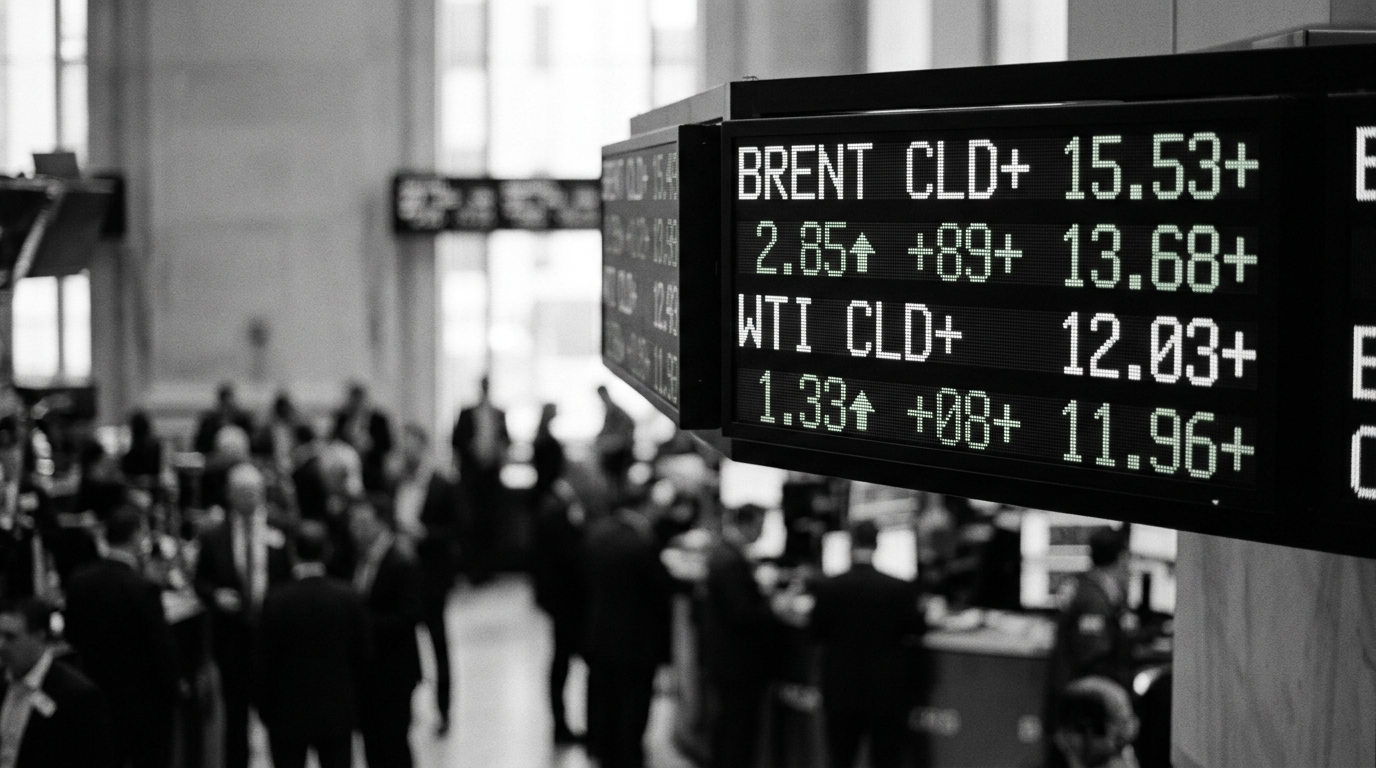
Oil futures moved higher after Iranian officials unveiled a draft plan that would restrict some traffic through the Strait of Hormuz, a key maritime corridor for Gulf oil exports. The draft raised immediate concerns in energy and shipping markets about the risk of seaborne supply disruptions.
Officials said the document outlines tighter controls on vessels transiting the waterway that links Gulf oil exporters with global markets. Data showed traders repriced short-term risk for shipments moving through the Gulf following the report.
Iran draft plan raises shipping and refinery exposure
Analysts said shipping companies and refiners that depend Analysts said shipping companies and refiners that depend on Gulf flows would be directly exposed if restrictions were enacted. For many buyers, the Strait of Hormuz is a key chokepoint in the logistics chain between export terminals and consuming regions. Analysts added that if routes are forced to change, rerouting around the Arabian Sea or using longer passages would raise freight costs. They said longer voyages could also tighten the availability of cargoes for importers by tying up vessels for more time per trip. Insurance and chartering seen as first pricing channel Market participants and brokers said the earliest and most visible impact would likely appear in insurance and chartering. Maritime insurers typically widen premiums when transit risk rises, they said, and this can quickly feed into overall transportation costs.
Officials and analysts noted that petroleum product supply patterns could also shift if exports slow, as barrels that would normally move through established routes may be delayed or redirected. Such shifts, they said, can change regional availability even before any change is seen in longer-term supply arrangements.
Markets focused on next 48 hours for formal steps Market participants said a key near-term test will be whether Iranian authorities move from a draft proposal to operational restrictions. If formal measures are adopted within 48 hours, they said markets are likely to push a visible premium into spot crude and freight pricing.
They added that if no formal measures follow in the same 48-hour window, the risk premium could fade over that period. For now, the draft plan and the immediate market reaction have put attention on near-term enforcement signals rather than longer-range expectations.