Global oil supply disruptions hit key maritime chokepoints
Global oil supply disruptions across Hormuz, Bab al-Mandeb and the Black Sea are forcing reroutes and lifting price risks as of July 29, 2026.
Atlas Newsdesk ·
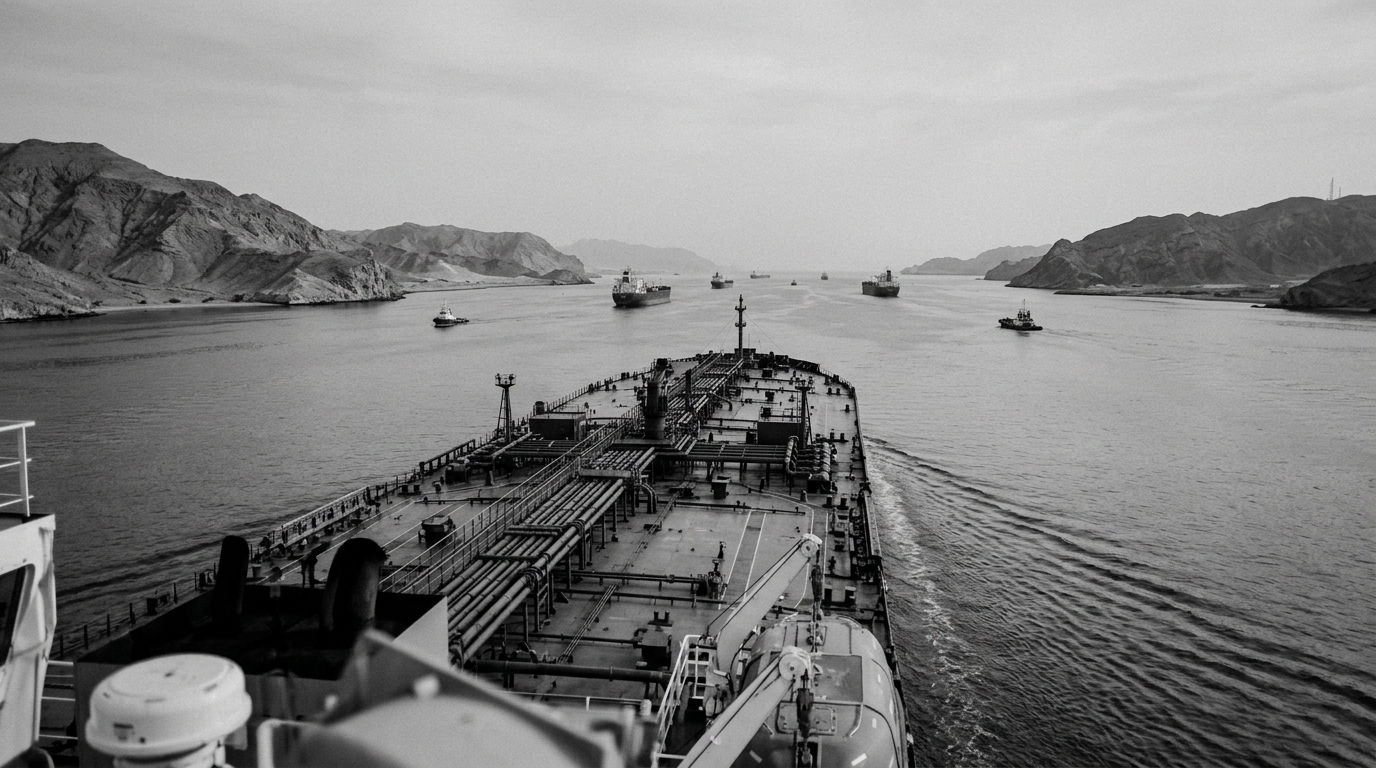
Global oil markets are facing renewed volatility as operational constraints hit three major maritime routes on July 29, 2026: the Strait of Hormuz, the Bab al-Mandeb strait, and the Black Sea. Together, these corridors carry trade routes linked to nearly 25 percent of global oil supplies, according to the source material.
Officials and market participants are dealing with a simultaneous squeeze on seaborne flows that is forcing tankers to change course. The immediate effect has been longer voyages, higher operating costs, and heightened uncertainty over delivery schedules as the disruptions converge.
Pressure builds across Hormuz, Bab al-Mandeb, and the Black Sea The mechanism of the current shock is being driven by three separate conflict-related pressures. The source material cites Houthi-led threats to shipping in the Red Sea affecting traffic connected to Bab al-Mandeb, a suspension of transit through the Strait of Hormuz, and Ukrainian strikes targeting Russian export infrastructure tied to Black Sea flows.
While each disruption carries its own operational and security challenges, the combination is amplifying market sensitivity to any further outage or delay. With fewer flexible routes available at the same time, the system has less capacity to absorb disruption without cost increases.
Rerouting costs rise as oil reserves sit at multiyear lows Tankers have been pushed into rerouting decisions that extend transit times. The source material says these changes are increasing operational costs, reflecting longer journeys and added logistical complexity for shippers and traders trying to meet contractual delivery windows.
The same report notes that global oil reserves are at multiyear lows, which can reduce the buffer available to smooth short-term supply interruptions. In that setting, price moves can become more pronounced as buyers and sellers react to real-time shipping constraints and perceived risk.
Price-risk scenario centers on the Strait of Hormuz
Analysts at Goldman Sachs flagged a high-impact scenario focused on the Strait of Hormuz. They project that if the closure of Hormuz persists, crude oil prices could exceed 120 dollars per barrel by the fourth quarter of 2026.
The report frames this as a potential energy shock for the global economy, with supply chains challenged by reduced throughput across the main transit corridors at the same time. The central uncertainty is duration: how long the operational constraints last, and whether alternative routes and logistics can keep trade flowing without further disruption.