Global crude stockpiles fell by nearly 200mn barrels in April amid Middle East supply disruptions
Global crude oil reserves hit record lows in April amid Middle East conflict and supply strains, despite reduced demand.
Jason Kwon ·
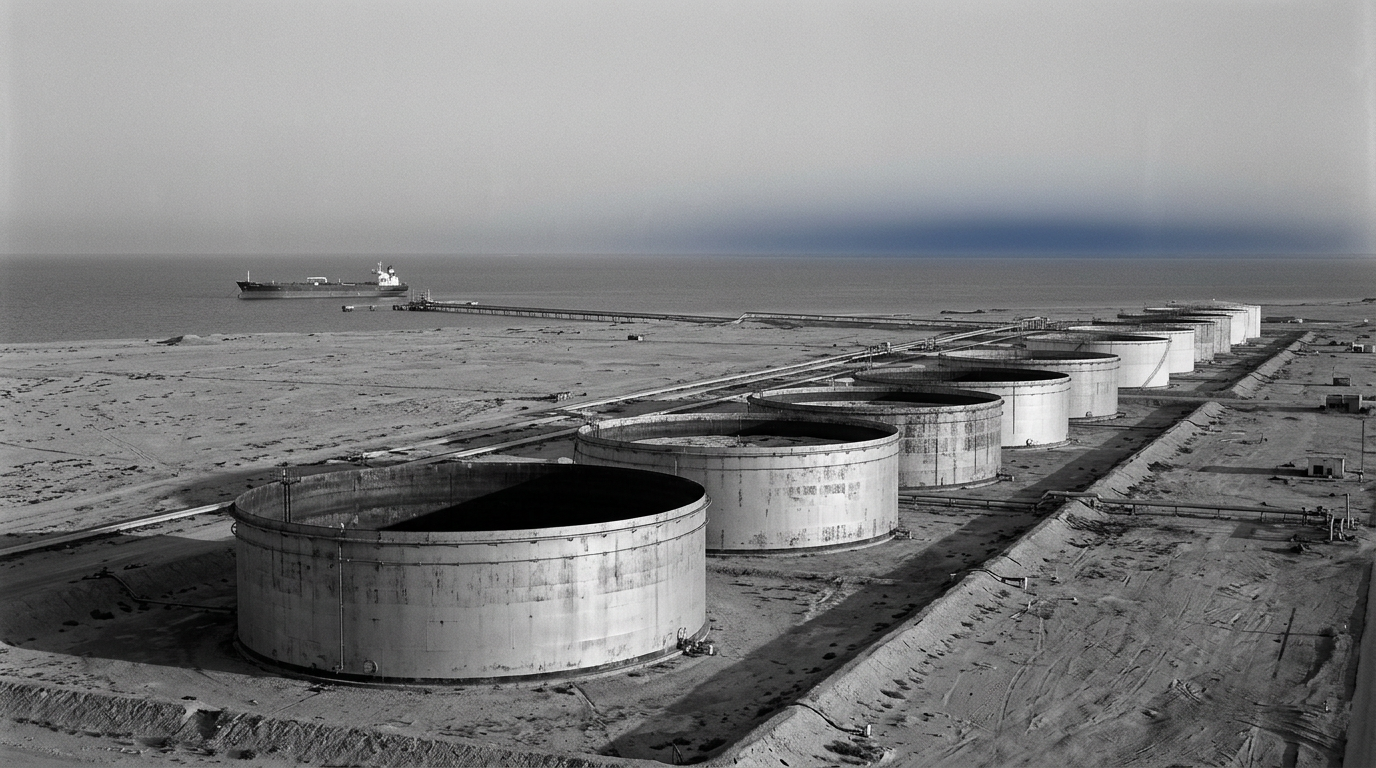
Global crude oil stockpiles fell by nearly 200mn barrels in April — about 6.6mn barrels a day — as conflict-related disruptions in the Middle East tightened supplies, according to estimates from S&P Global Energy.
The drawdown came even as demand dropped by roughly 5mn barrels a day, a decline analysts attributed to higher prices.
Supply strains and shipping disruptions Analysts said the conflict has tightened supply conditions across the global market. Traffic through the Strait of Hormuz has been restricted, and strikes have damaged regional energy infrastructure.
Analysts also estimated the market has lost about 1bn barrels of crude due to the conflict so far, with supply losses outpacing the reduction in demand.
Stocks near multi-year lows Global oil stocks are approaching an eight-year low, according to Goldman Sachs. Refined product supplies — including gasoline, diesel and jet fuel — have also been falling, with some regions seeing particularly sharp declines.
While total global oil reserves are estimated at about 4bn barrels, analysts noted that a significant share is needed for day-to-day operations such as keeping refineries running and pipelines pressurised, limiting how much can be readily drawn down.
Analysts warned that further price increases could follow if global stocks fall below critical thresholds.