Global fires hit record early-year levels, scientists warn
Global fire outbreaks hit record highs from January to April 2026, burning over 150 million hectares due to climate change and El Nino.
Lauren Collins ·
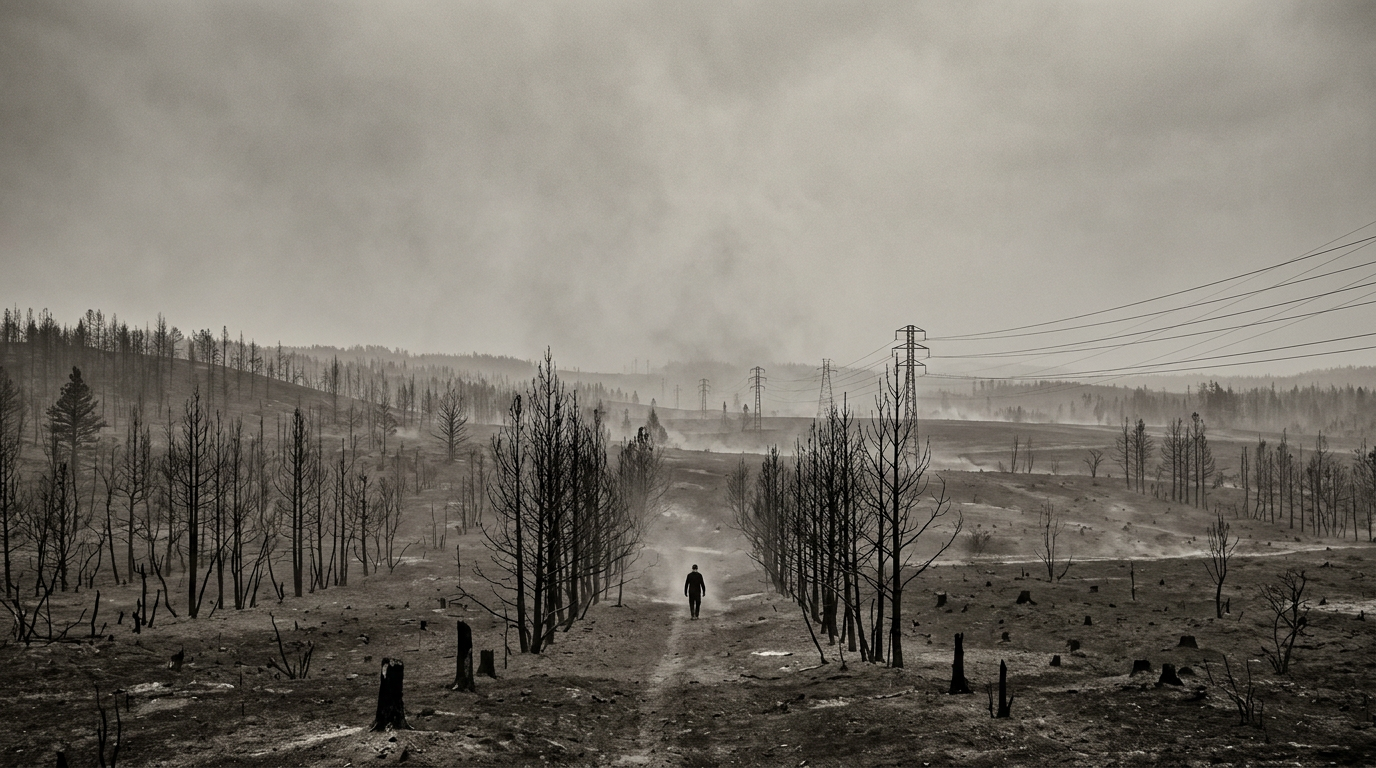
Wildfires burned more than 150 million hectares of land worldwide from January to April 2026, a record for the period, as human-driven climate change intensified fire conditions, scientists with World Weather Attribution said.
The researchers said the early surge in fire activity came as the World Meteorological Organization forecast El Nino conditions to begin in May, a pattern that could compound climate-change impacts and raise the risk of severe heat, drought and damaging fires later in the year.
Scientists described the first four months as an unusually fast start to the global fire season, warning that risks could rise as the northern hemisphere summer approaches.
Record burn area in Africa and Asia
Africa accounted for about 85 million hectares burned, up 23% from its previous record of 69 million hectares for the January-to-April period, according to the World Weather Attribution data.
The researchers said rapid swings from extremely wet to extremely dry conditions helped drive the increase. High rainfall boosted grass growth during the previous season, leaving more fuel that later fed drought- and heat-driven savannah fires.
In Asia, fires burned about 44 million hectares, nearly 40% more than the region’s previous record year of 2014. The scientists said India, Myanmar, Thailand, Laos and China were among the worst affected.
El Nino expected to begin in May
El Nino is linked to warming sea-surface temperatures in the Pacific Ocean. The World Meteorological Organization said last month it expected El Nino conditions to start in May.
Scientists said a strong El Nino later in the year could increase the likelihood of severe heat and drought in Australia, Canada, the United States and the Amazon rainforest, raising the risk of extreme fires.
Officials and scientists will be watching upcoming weather indicators and fire activity as El Nino develops and as peak fire seasons arrive in different regions in the months ahead.