German Automakers Lose Ground in China EV Market
German automakers are losing ground in China’s EV market as local brands rise; S&P data shows sales fell 25% to 3.9m in 2025.
Atlas Newsdesk ·
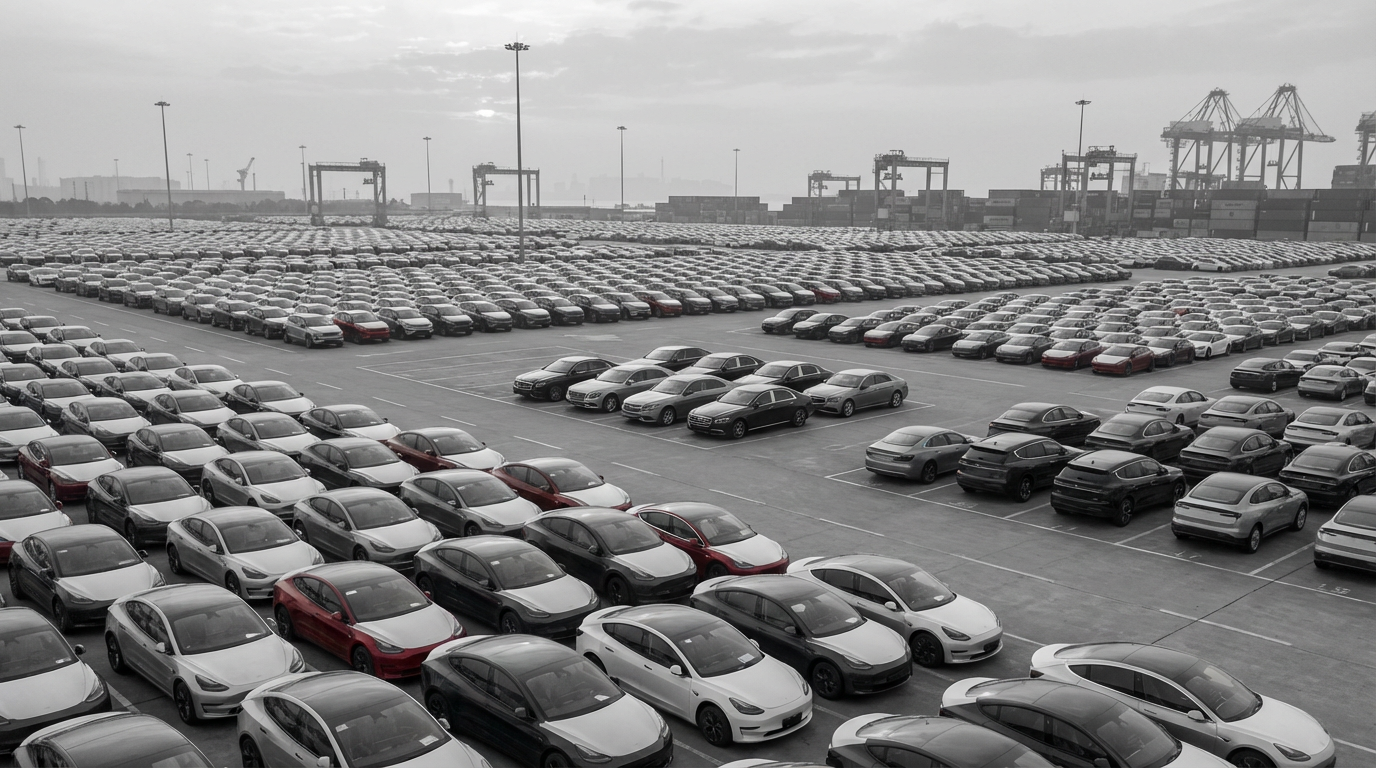
German automakers Volkswagen, BMW, and Mercedes-Benz have seen their position in China weaken as domestic electric-vehicle brands expand rapidly in the world’s largest car market. Data from S&P Global Mobility shows the three companies’ combined sales in China fell 25% over five years, reaching 3.9 million vehicles in 2025. The shift underscores how quickly China’s market has moved toward locally produced, technology-focused EVs.
The change is especially visible at Volkswagen, long a bellwether for foreign brands in China. After 25 years as China’s top automaker, Volkswagen was overtaken by BYD in 2024 and then by Geely in 2025. Those milestones highlight a broader reordering of market leadership as Chinese manufacturers scale up EV production and compete aggressively on price and features.
Officials and industry data attribute the German decline largely to slower adjustment to China’s fast-growing EV segment. Local brands have built momentum by offering comparatively affordable electric vehicles with advanced technology, aligning with shifting consumer preferences. The German groups, which historically benefited from their combustion-engine heritage and brand strength, are now facing a market where that legacy is less decisive for many buyers.
Volkswagen’s China CEO, Robert Cisek, described a generational perception challenge, saying younger customers view German brands as aimed at an older demographic. That comment reflects how competition in China increasingly centers on software, connectivity, and EV-focused product cycles, areas where domestic brands have gained a strong reputation with younger consumers.
In response, German automakers are stepping up EV plans tailored to China. Volkswagen Group said it intends to launch 20 new energy vehicles in China this year, spanning all-electric models and plug-in hybrids. The company also plans to premiere four new EVs at the Beijing Auto Show, with some models developed alongside Chinese partners including FAW, Xpeng, and SAIC.
These moves signal a strategic pivot toward deeper localization and partnership-led development as the competitive landscape evolves. Even with new launches planned, the pace of change in China’s EV market remains a key uncertainty for foreign manufacturers, particularly as domestic brands continue to set expectations on pricing and technology.
The outcome will matter beyond China because the market’s scale influences global product strategies, supply chains, and investment priorities across the automotive sector.