Israel expands Gaza control zone beyond ceasefire line
Israel expands Gaza control zone as the “yellow line” shifts westward after the October ceasefire, affecting civilians, UN sites, and aid access.
Lauren Collins ·
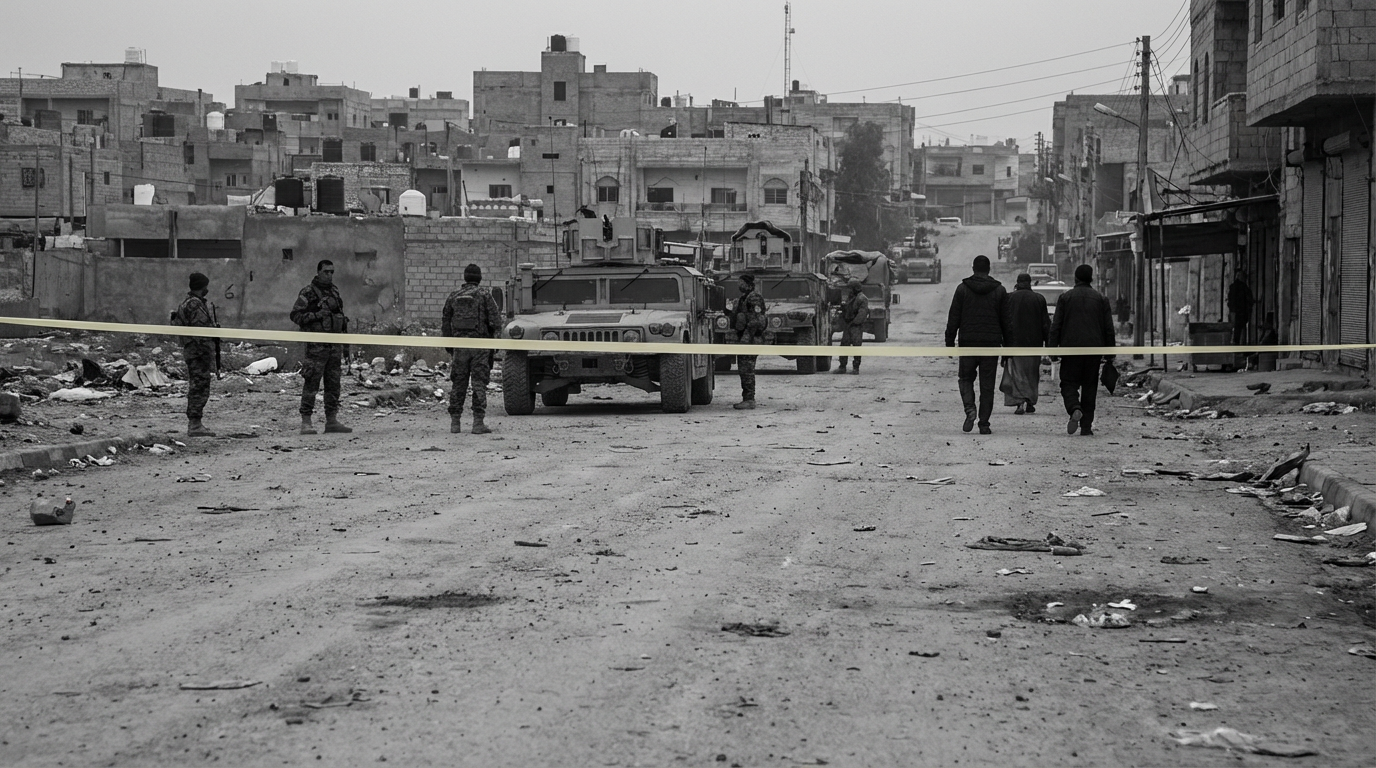
Israel has widened its zone of control inside Gaza since the October ceasefire, progressively pushing the agreed “yellow line” westward, according to residents, researchers, and the United Nations. The shift has expanded the area treated as a free-fire zone, affecting Palestinian communities and the operations of aid groups working near the boundary.
The October ceasefire, brokered by the U.S., set the yellow line as a temporary measure while further Israeli withdrawals were expected. In practice, the line has moved multiple times, including in densely populated areas such as Khan Younis, where concrete blocks mark parts of the boundary. Residents described waking up to find the line relocated, leaving homes and daily routes inside areas exposed to military activity.
Forensic Architecture, a research agency, reported that by December Israel controlled 58% of the Gaza Strip. That figure exceeds the 53% implied by the original ceasefire maps, the group said, indicating a larger footprint than the initial arrangement suggested. The same reporting links the shifting boundary to a broader expansion of restricted space for civilians and humanitarian access.
Alongside the movement of the yellow line, Israeli forces have built more than 10 miles of earth berms and established 32 fortified outposts, with seven new structures constructed recently. Separately, an unmarked “orange line” has been described as running 200 to 500 meters from the yellow line, defining an area where any Palestinian is treated as a potential threat.
The presence of two lines, one agreed and one unmarked, has added uncertainty for residents and responders trying to determine where movement may trigger military action.
The UN reported in March that 10 of its facilities, including emergency shelters, are now within this zone because of the line’s movement. The Israel Defense Forces (IDF) said the measures are intended for self-protection and to reduce friction. The UN Human Rights Commissioner, Volker Türk, condemned the targeting of civilians near the line as a war crime.
UN data also points to the human toll during the six-month ceasefire period. Of more than 700 Palestinians killed by Israeli fire during that time, 269 were near the yellow line, including over 100 children, according to the UN. The figures underscore the risks around the shifting boundary, while the exact on-the-ground placement of the lines at any given time remains contested and difficult for civilians to verify.