Gaza Rebuilding Plan Funding Gap Needs Urgent Action
A key advisory board for Donald Trump's Gaza rebuilding initiative has highlighted an urgent need to close the funding gap.
Lauren Collins ·
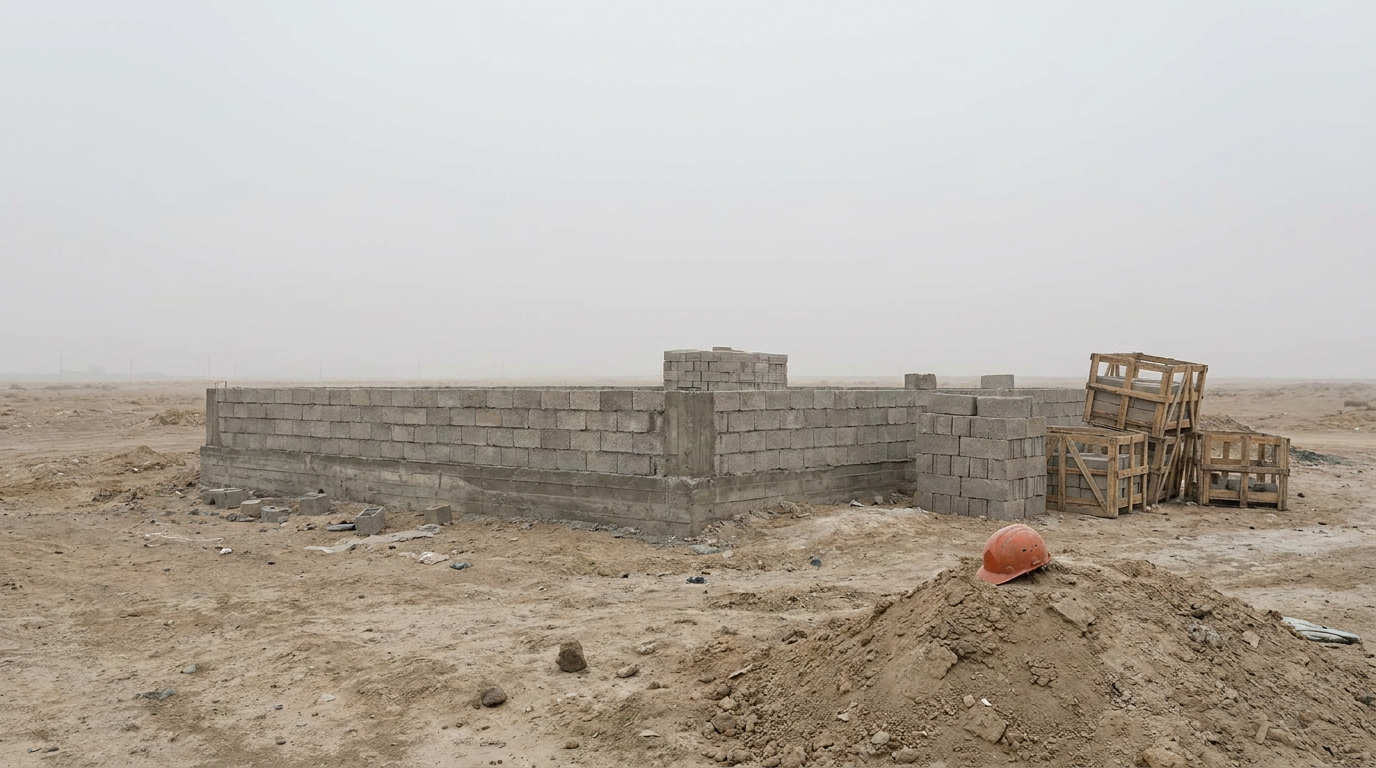
An advisory board overseeing Donald Trump's ambitious plan for Gaza's reconstruction has urgently called for the disbursement of pledged funds, flagging a significant financial shortfall. The Board of Peace, established to guide the initiative aimed at ending the conflict and rebuilding the devastated territory, warned that committed money not yet released poses a critical obstacle.
This financial gap threatens to transform the plan from a theoretical framework into tangible on-the-ground support for the people of Gaza.
Urgent Call for Faster Disbursement
In a recent report submitted to the United Nations Security Council, the Board of Peace emphasized the critical necessity of bridging the divide between financial commitments and actual disbursements. The board's assessment indicated that a substantial amount of the $17 billion pledged by member nations remains undelivered, hindering progress. This situation complicates efforts to implement reconstruction projects and establish a new U.S.-backed transitional government for Gaza.
The report urged signatory countries to expedite their contribution processes and encouraged other nations to make their financial pledges without delay. The urgency stems from the dire conditions in Gaza, where an estimated 85% of buildings and infrastructure have been destroyed. Clearing the resulting 70 million tonnes of rubble is a monumental task requiring substantial and timely financial backing.
Concerns Over Transparency and Funding Channels
Despite the board's appeals, significant hurdles remain in securing the estimated $70 billion needed for Gaza's comprehensive reconstruction. Many international actors have expressed reservations about channeling funds through Trump's board, citing concerns over transparency and oversight. These nations often prefer to support reconstruction efforts via established international institutions like the United Nations.
The U.S. administration is reportedly exploring options to secure reconstruction funds, including potentially requesting Israel to release withheld Palestinian tax revenues. The structure of the Board of Peace also involves a significant financial commitment for permanent membership, with states required to pay $1 billion each to secure a continued role beyond their initial three-year terms. It remains unclear if any member has met this requirement.
The ongoing conflict and Hamas's refusal to disarm, coupled with Israel's continued military presence and airstrikes, further complicate the already challenging path to peace and reconstruction. The integration of security resolutions with financial aid is seen as crucial for any lasting impact on the ground, but this remains a point of contention and delay.