Middle East Conflict Deepens, Humanitarian Crisis Looms
Middle East conflict escalates with new military tech, strikes, crises, and geopolitical shifts.
Lauren Collins ·
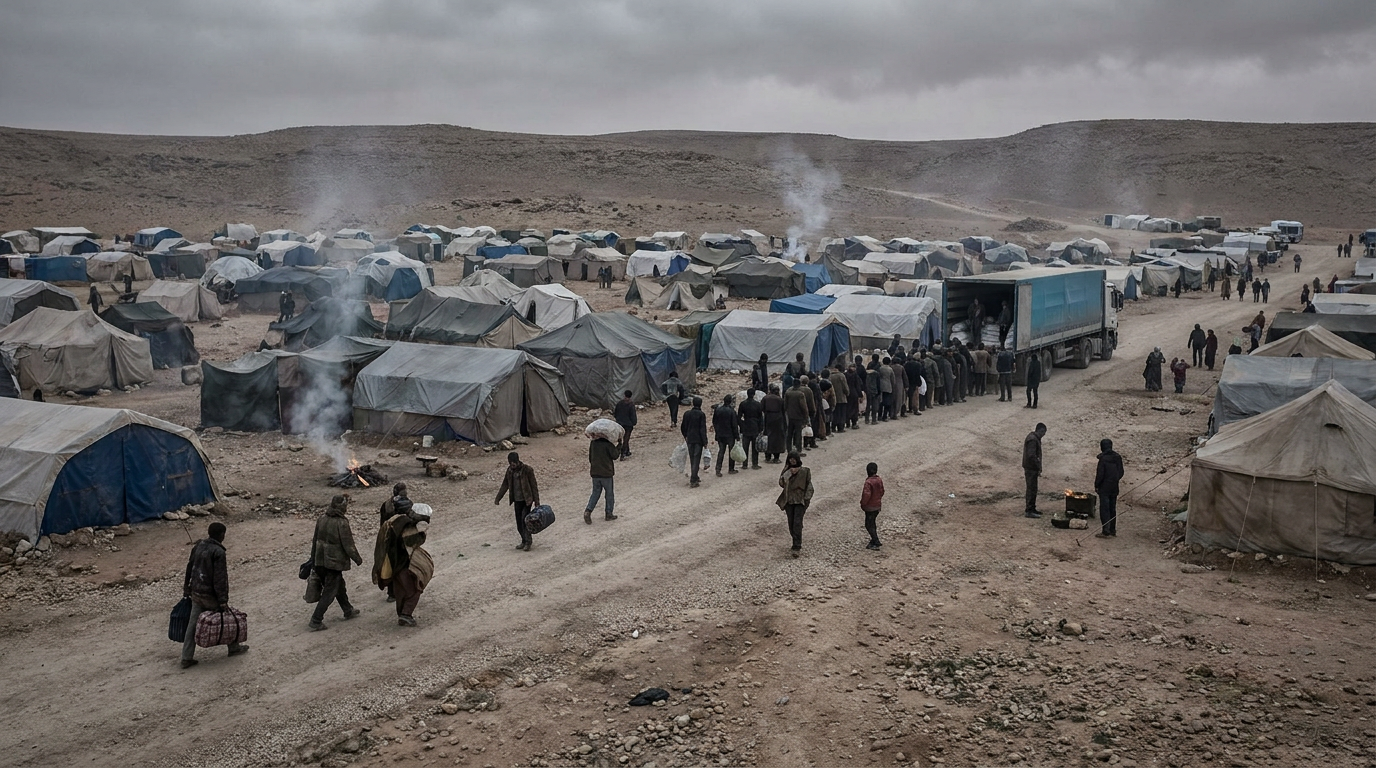
The Middle East is experiencing heightened instability, marked by ongoing military engagements and shifting alliances. Recent reports indicate the use of unjammable drones by Hezbollah, presenting new challenges to regional security dynamics.
Israeli forces have conducted strikes in Beirut suburbs, targeting Hezbollah leadership. These actions follow a period of fragile ceasefires and contribute to the escalation of tensions.
Humanitarian concerns are increasing
Humanitarian concerns are increasing, with significant displacement of populations in Lebanon. Aid efforts are underway, but the effectiveness of ceasefires remains uncertain.
Geopolitical shifts include the United Arab Emirates' reported
Geopolitical shifts include the United Arab Emirates' reported intention to withdraw from OPEC, potentially impacting global energy markets. This decision occurs amidst broader regional conflicts and an energy crisis.
Statements from various parties suggest a widening scope of conflict, with threats of expanded targets and calls for unconditional surrender. The involvement of external actors and the targeting of civilian infrastructure, including schools, have been reported, raising international alarm.