Fuel spikes, flight delays and storms threaten US spring break travel
US spring travel faces disruptions from unpaid TSA staff, rising fuel costs, and severe weather, impacting 171 million projected passengers.
Lauren Collins ·
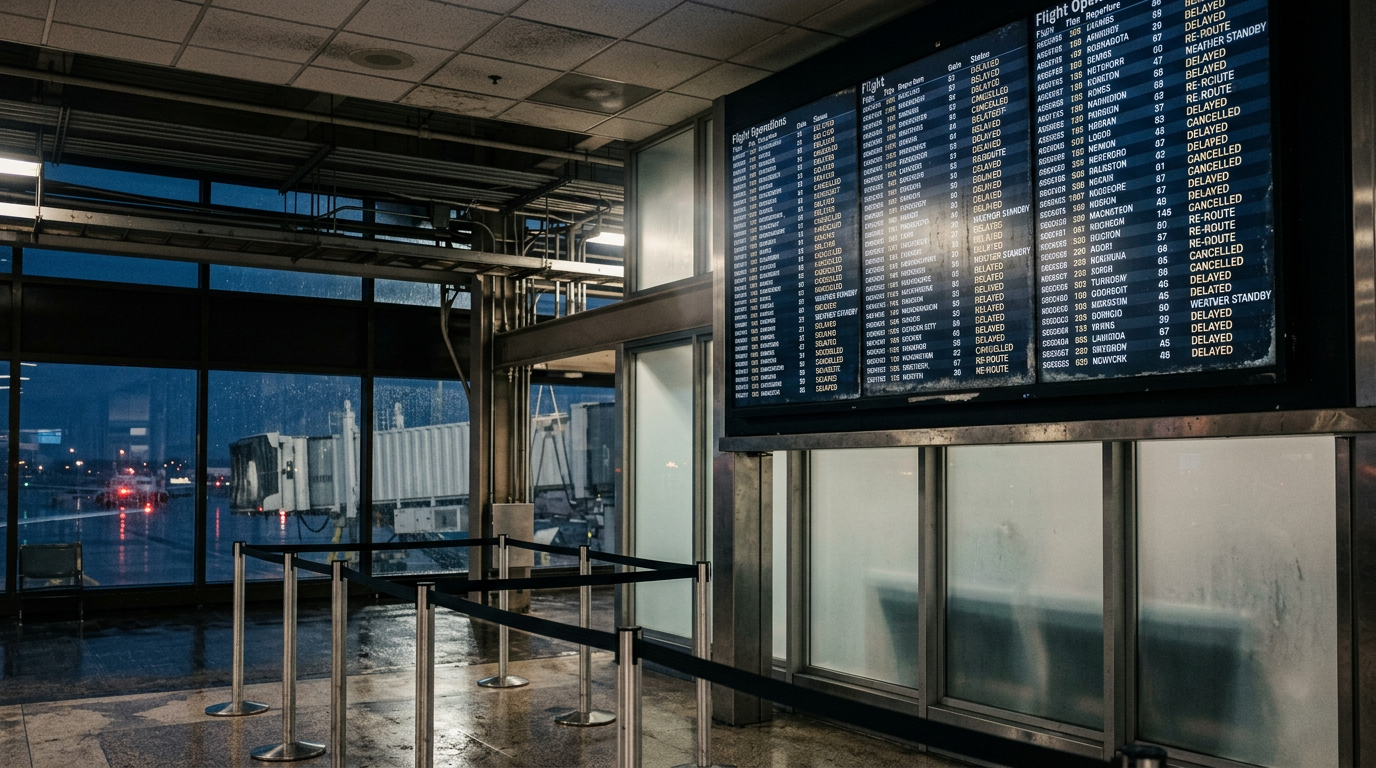
Millions of travelers across the United States are encountering significant disruptions during the spring travel season, spanning from March 1 to April 30. Unpaid Transportation Security Administration (TSA) personnel, escalating fuel expenses, and severe weather patterns are converging to create a challenging environment for air and road transport.
Projections from Airlines for America indicate that approximately 171 million passengers are expected to fly during this period, marking a 4% increase compared to the previous year. This volume translates to an average of 2.8 million air travelers daily, placing considerable strain on infrastructure already facing multiple pressures.
TSA Staffing and Airport Operations
Since mid-February, a lapse in funding for the Department of Homeland Security has resulted in TSA agents operating without pay. This situation has led to prolonged security checkpoint wait times at airports nationwide, directly impacting passenger flow and contributing to potential delays. The operational continuity of critical security functions is under stress due to the financial uncertainty faced by these essential workers.
Rising Fuel Costs Impact Travel Budgets
79 per gallon. 92 per gallon just one month prior. Recent attacks on petroleum production facilities in the Middle East are cited as a primary driver for this upward trend, suggesting potential further increases in airfare and gasoline costs as the summer travel season approaches. American consumers are collectively spending an additional $330 million daily on gasoline compared to figures from a month ago, directly affecting household budgets and discretionary travel spending.
Severe Weather Disrupts Air Travel
Concurrently, a powerful storm system has traversed the United States, causing widespread flight disruptions. Data from FlightAware reported 3,255 flight delays and 975 cancellations for flights originating, arriving, or transiting within the U.S. These weather-related incidents compound the challenges posed by staffing issues and fuel costs, leading to a complex and often frustrating travel experience for passengers.
Broader Economic and Political Context
The confluence of these factors underscores the interconnectedness of global events and domestic travel. Geopolitical tensions affecting oil supplies directly translate to higher costs for consumers and airlines. Domestic political impasses, such as government funding lapses, have immediate operational consequences for federal agencies like the TSA.
The spring travel period, often a bellwether for the broader tourism industry, is thus navigating a multifaceted set of obstacles that could influence economic activity and consumer confidence throughout the year. The resilience of the travel sector will be tested by these ongoing pressures, with potential implications for airline profitability and passenger satisfaction.
Outlook for Travelers
Travelers planning trips during this period are advised to monitor flight statuses closely, account for potential security delays, and budget for higher transportation costs. The combination of increased demand, operational challenges, and external economic pressures suggests that flexibility and preparedness will be key for those embarking on spring journeys. The situation highlights the vulnerabilities within the travel ecosystem to both policy decisions and global market dynamics.
Implications
Country Impact: The U.S. travel sector faces significant operational and economic headwinds, potentially impacting consumer spending and broader economic activity. Unpaid federal workers and rising costs could dampen domestic tourism.
Industry Impact: Airlines and transportation companies are grappling with increased operational costs due to fuel price hikes and potential staffing shortages. This could lead to reduced profitability or increased ticket prices for consumers.
Market Impact: Energy markets are reacting to geopolitical events, driving up fuel costs. This impacts inflation expectations and consumer discretionary spending, potentially affecting retail and leisure sectors.