Zelenskyy Warns Europe on Drone Attack Risks
Zelenskyy warns Europe of rising drone attack risks from non-state actors, citing advanced tech and interconnected conflicts.
Lauren Collins ·
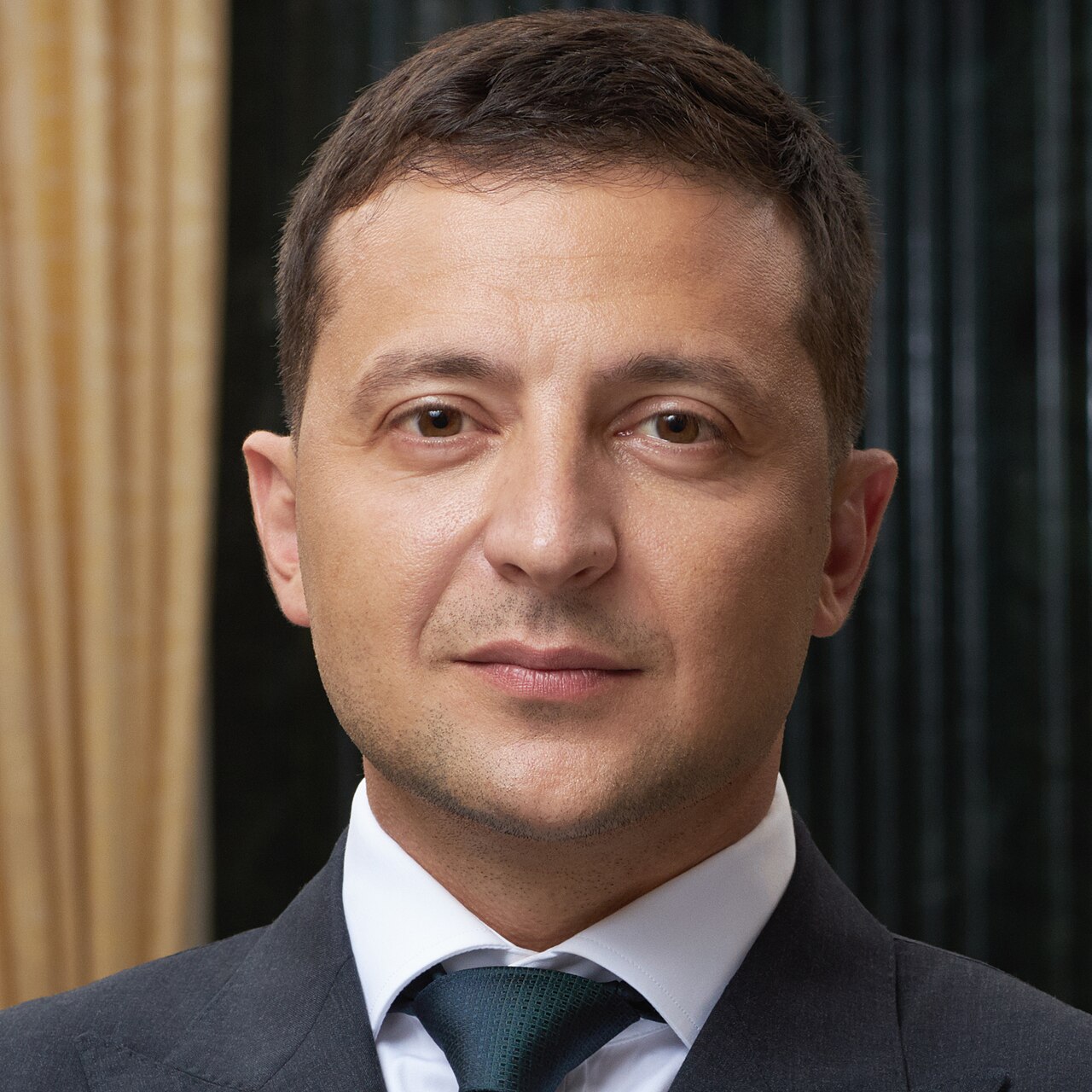
Ukrainian President Volodymyr Zelenskyy recently cautioned European nations regarding the escalating threat of drone attacks from non-state actors. During a meeting with UK Labour leader Keir Starmer in London, President Zelenskyy highlighted the increasing accessibility and affordability of drone technology, making mass attacks feasible for criminal organizations, terrorist groups, and individual perpetrators.
This warning underscores a significant shift in global security, as advanced drone capabilities are no longer exclusive to state militaries. The Ukrainian leader specifically referenced Russia's deployment of Iranian-designed Shahed drones in Ukraine, suggesting a broader interconnectedness between conflicts, including the Middle East, due to shared military technologies.
Interconnected Conflicts and Technology Transfer
President Zelenskyy's remarks on Tuesday emphasized the evolving nature of modern warfare, where drone technology transfer between nations like Iran and Russia creates new vulnerabilities. He argued that the ongoing conflict in the Middle East is intrinsically linked to the situation in Ukraine, partly due to the proliferation of similar military hardware.
Keir Starmer, during the Downing Street discussions, voiced concerns that geopolitical shifts, particularly the Middle East conflict, could inadvertently bolster Russia's economic standing through increased oil revenues. Starmer also noted the potential for critical air defense systems to be diverted from Ukraine to other regions, thereby weakening Kyiv's defensive capabilities.
Ukraine's Offer of Defensive Expertise
In response to these emerging threats, President Zelenskyy extended an offer of defensive support to Western allies. Ukraine, having extensive experience in countering drone attacks, proposed sharing its expertise in areas such as interception teams and advanced radar systems. This offer is particularly relevant for nations facing similar challenges, including those in the Middle East.
Ukraine's experience with large-scale drone warfare provides valuable insights into developing effective countermeasures. The country has been at the forefront of adapting to and combating sophisticated drone tactics, making its knowledge potentially crucial for international security partners. The discussions in London highlighted the need for a unified approach to address these transnational security challenges.
Global Security Implications
This development signals a critical juncture in global security, where technological advancements necessitate a re-evaluation of defense strategies. The proliferation of drone technology to non-state actors introduces complex challenges for national security agencies, requiring enhanced intelligence sharing and collaborative defense initiatives. The potential for widespread drone attacks by various groups demands a proactive and coordinated international response.
President Zelenskyy's visit to the UK and his subsequent warnings serve as a call to action for European and Western allies to bolster their defenses against these evolving threats. The focus remains on preventing the weaponization of readily available technology by malicious actors, ensuring regional stability and international security.
Implications
Country Impact: European nations face increased pressure to enhance their air defense systems and intelligence capabilities against non-state drone threats. Ukraine's offer of expertise could foster new defense collaborations.
Industry Impact: The defense industry may see increased demand for counter-drone technologies, including advanced radar, electronic warfare systems, and interception solutions. Cybersecurity firms could also experience growth in protecting critical infrastructure from drone-related attacks.
Market Impact: Global defense stocks could experience upward trends due to anticipated increases in military spending on counter-drone technologies. Energy markets might see volatility if Middle East conflicts, linked to drone technology, impact oil supplies, potentially benefiting oil-exporting nations like Russia.