Drone Strikes Force Kazakhstan to Suspend Key Oil Pipeline Exports
Kazakhstan suspended CPC oil shipments after drone strikes hit the Novorossiysk terminal in July 2026, threatening most crude exports.
Atlas Newsdesk ·
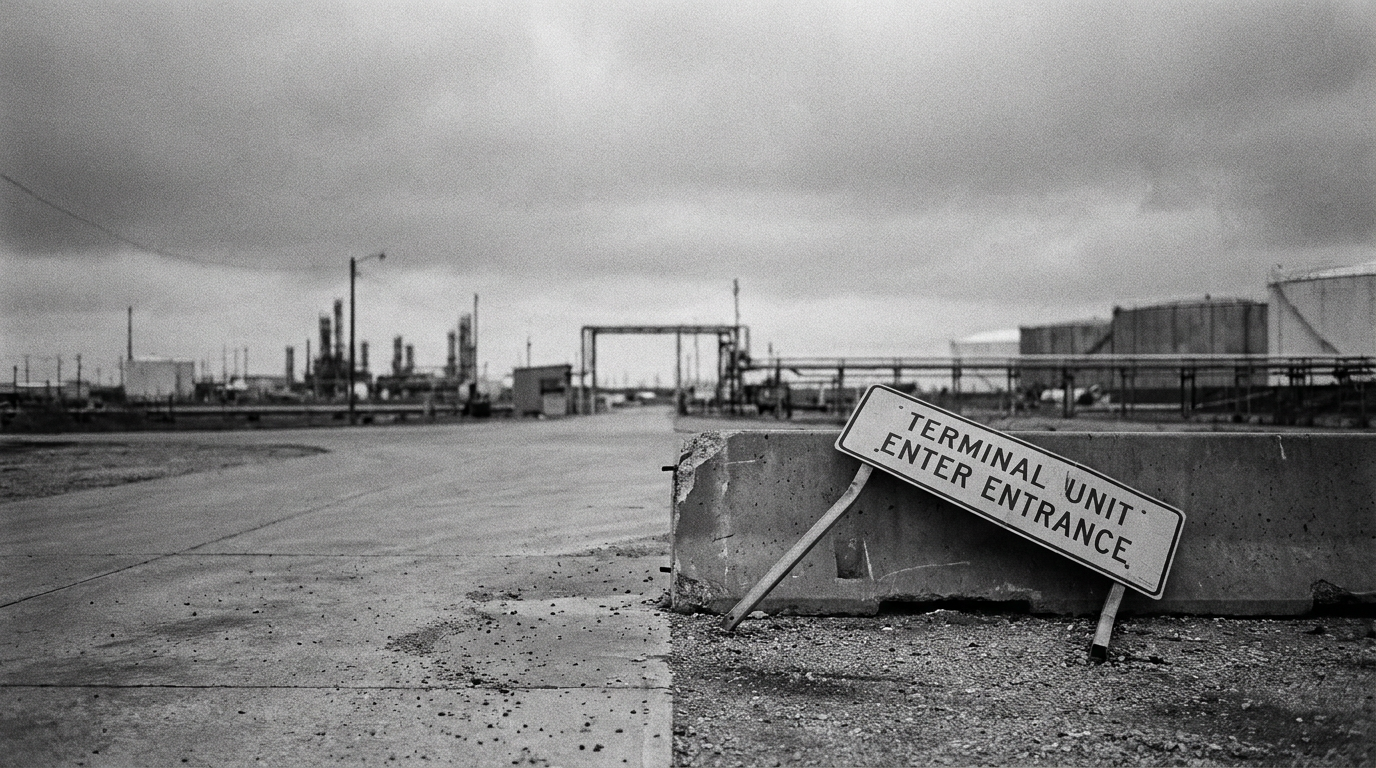
Kazakhstan has suspended major oil shipments via the Caspian Pipeline Consortium (CPC) after a series of drone strikes hit the Black Sea export terminal at Novorossiysk. Officials in Astana said the attacks amount to an unacceptable intrusion into Kazakhstan’s economic interests, as the disruption affects a key route that moves Kazakh crude to international buyers.
The interruption began intensifying in July 2026 and now threatens around 80 percent of Kazakhstan’s crude exports. The export flow is a central source of state income, with oil-linked revenue described as contributing roughly 20 percent of the country’s gross domestic product.
Novorossiysk terminal hit as CPC becomes collateral
The CPC system transports crude from Kazakhstan to global markets through the Black Sea. The Novorossiysk terminal has been repeatedly struck amid the wider Russia-Ukraine conflict, which has increasingly targeted maritime logistics and energy-linked infrastructure.
Ukrainian drone operations aimed at Russian naval assets and the so-called shadow tanker fleet have repeatedly struck the Novorossiysk terminal, according to the account in the source material. Kyiv has denied responsibility for the specific strikes that affected Kazakh infrastructure, while Kazakhstan has formally condemned the incidents.
The disruption puts Kazakhstan in a difficult position because the CPC route is described as the country’s dominant export channel. The halt also underscores how infrastructure used by multiple parties can face elevated risk when fighting expands toward key transport hubs.
European supply concerns focus on Romania
The immediate effects are expected to be felt beyond Kazakhstan. The supply halt is described as having direct implications for European energy security, especially in Romania, which relies on Kazakh crude for more than 60 percent of its supply.
Analysts cited in the source material warned that if the terminal remains offline, regional gasoline production could fall by as much as 15 percent. The scale of that estimate reflects how quickly constraints on crude availability can flow through to refining and product output.
For market participants, the main uncertainty is duration: the longer the Novorossiysk disruption persists, the more pressure builds on alternative sourcing, inventories, and refining plans in affected areas.
Alternative routing and fiscal strain
Kazakhstan is exploring additional export options through Azerbaijan. However, the source material notes that alternative routing would likely come with higher logistical costs and a potential loss of revenue, creating a fiscal challenge for the Central Asian state.
Against this backdrop, President Kassym-Jomart Tokayev has publicly called for a freeze in the Russia-Ukraine conflict, arguing that stability is needed to protect regional trade and energy logistics. For now, officials and companies are left managing an export stoppage whose timing and resolution remain uncertain.