France Targets Ultra-Fast Fashion With New Environmental Levy
France has introduced a new regulatory framework to levy fees on ultra-fast fashion retailers, aiming to curb environmental impact and foster fairer…
Atlas Newsdesk ·
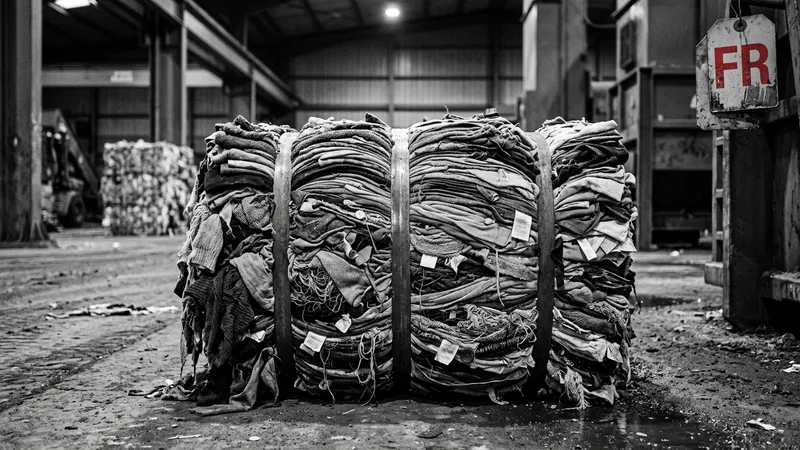
France has officially enacted a new regulatory framework targeting ultra-fast fashion retailers, introducing financial levies on high-volume, low-cost e-commerce platforms. This legislation, which took immediate effect, aims to mitigate the substantial environmental impact caused by the fast fashion industry and promote equitable competition within the domestic textile sector.
The initiative positions France as a leader in European efforts to regulate digital marketplaces for enhanced sustainability.
The new fee structure is determined by the volume of products sold and the repairability of garments. Initial charges for impacted items range from €0.50 to €12 per unit. Officials have indicated that these levies are projected to increase progressively over time, potentially reaching approximately €20 per garment as the regulatory framework matures and its objectives become more deeply integrated into market operations.
Defining Ultra-Fast Fashion Standards
The legislative criteria meticulously define what constitutes 'ultra-fast fashion' under the new regulation. This definition primarily focuses on the sheer quantity of new inventory that retailers introduce into the market.
Another crucial factor considered is the economic feasibility of repairing garments, thereby compelling companies to prioritize the production of more durable and repair-friendly items over disposable ones. This dual approach emphasizes both volume control and product lifecycle responsibility.
The policy specifically targets firms with significant market penetration, particularly e-commerce entities known for their rapid production cycles and highly competitive pricing. While no specific companies were named in the legislation, the framework's design clearly aims at major international players operating within the French market. This strategic move is intended to compel these businesses to adopt more sustainable practices across their entire supply chains.
Broader Implications for E-commerce
This initiative represents a notable policy shift in European trade governance, particularly concerning the oversight of digital marketplaces. By directly targeting the operational models of large online retailers, many of which are based outside Europe, France intends to enforce stricter sustainability standards and promote ethical production throughout the continent.
This move reflects a growing global sentiment towards enhanced producer responsibility and addressing the environmental costs associated with mass consumption.
Compliance with these new regulations will necessitate significant adjustments for affected companies. Retailers will likely need to re-evaluate their pricing strategies to either absorb or pass on the new levies to consumers.
Furthermore, supply chain logistics will require substantial restructuring to align with the sustainability and repairability metrics mandated by the new law. Failure to adapt could impact their viability within the lucrative French market, potentially setting a precedent for other European nations considering similar environmental legislation in the future.
Global Context and Economic Projections
The French action comes amidst ongoing discussions about global economic indicators and sustainability. Recent projections from the International Monetary Fund (IMF) for 2026 suggest a Real GDP Growth of 2.1% for the USA, an upward revision from a previous 2.0%.
Inflation (CPI) for the USA in 2026 is projected at 2.4%, a decrease from the prior 2.7%. The unemployment rate for the USA in 2026 is forecast at 4.1%, a slight decrease from the earlier 4.2%.
While these specific economic figures are for the USA, they underscore a broader global economic environment where sustainability and regulatory changes like France's textile levy can influence international trade dynamics and consumer spending patterns.
Future Adaptations for Industry
The long-term impact of this legislation on the ultra-fast fashion industry will largely depend on the enforcement mechanisms and the willingness of major players to innovate. Companies may invest in new technologies for garment recycling, develop more robust materials, or shift production models to reduce waste and increase product longevity.
The French market is a crucial testing ground for these policies, with its outcomes potentially shaping future environmental directives across the European Union and beyond. Industry stakeholders are closely watching how these regulations will influence consumer choices and corporate responsibilities in the coming years.