Global Wheat Prices Surge Amid Black Sea Disruptions
Global wheat prices have hit a three-year high due to the conflict in the Black Sea region and adverse weather, leading to supply concerns.
Atlas Newsdesk ·
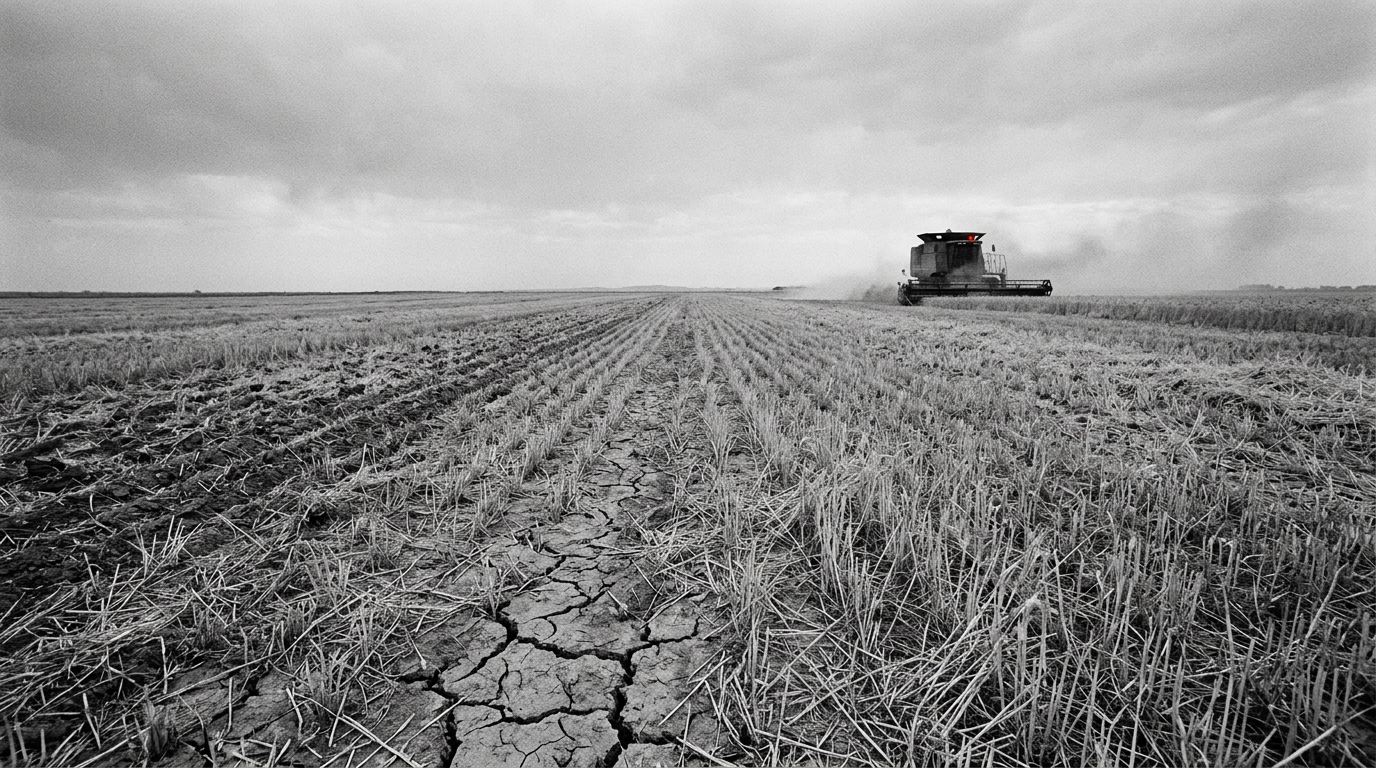
International wheat prices have reached their highest point in three years, driven primarily by the ongoing conflict in the Black Sea region and challenging global weather patterns. On Monday, Chicago wheat futures were recorded at $7.79 per bushel, reflecting considerable market volatility. This surge follows an intensification of military actions targeting grain export infrastructure in the Black Sea, which has significantly hampered logistics for trade.
Reports from Ukrainian infrastructure sources indicate a sharp increase in attacks on port facilities, with 67 incidents reported in July alone. This figure represents a notable rise compared to earlier periods, highlighting the escalating disruption to vital shipping routes.
The resulting instability has prompted major wheat-importing nations, such as Egypt and Indonesia, to secure supplies from alternative producers like Australia, Argentina, and Romania, seeking to prevent potential shortages.
Conflict Intensifies Supply Chain Pressures
The direct impact of the conflict on Black Sea shipping lanes remains a primary factor contributing to market anxiety. Both Russia and Ukraine have targeted maritime assets and port facilities, creating bottlenecks in a region critical for global grain exports. This strategic disruption not only causes shipment delays but also elevates the operational risks and costs associated with transporting wheat from these key agricultural producers.
Beyond geopolitical tensions, environmental factors are simultaneously contributing to the upward pressure on prices. The United States Department of Agriculture (USDA) projected domestic wheat yields at 46.7 bushels per acre, marking the lowest level observed since 2015. This decline is largely attributed to widespread drought conditions affecting the Great Plains agricultural region, a critical breadbasket for the country.
Climate Challenges Affect Global Harvests
Similar reductions in agricultural output have been reported in other significant wheat-producing areas globally. Canada and the European Union are experiencing substantial crop shortfalls, with widespread heatwaves contributing to an estimated reduction of approximately 9 million tonnes in projected grain harvests. These climate-induced production deficits exacerbate existing supply chain issues stemming from the ongoing conflict, presenting a dual challenge for global food security.
Despite these pressures, market analysts suggest that the overall global availability of wheat remains sufficient. However, the combined effects of logistical constraints and reduced yields have fostered an environment of sustained high costs and considerable market instability. The persistent volatility in wheat prices could lead to increased food inflation in various regions, particularly impacting countries heavily reliant on imports for their staple foods.
Stakeholders across the agricultural and food industries are closely monitoring developments in the Black Sea region and evolving global weather patterns. These factors continue to shape the outlook for international grain markets, influencing prices, trade flows, and the stability of global food supply chains, underscoring the interconnectedness of geopolitical and environmental conditions on commodity markets.