FIFA Presidential Eligibility Challenged by Advocacy Group
FairSquare has formally requested that FIFA block Gianni Infantino from seeking a fourth term, citing internal term limit regulations.
Atlas Newsdesk ·
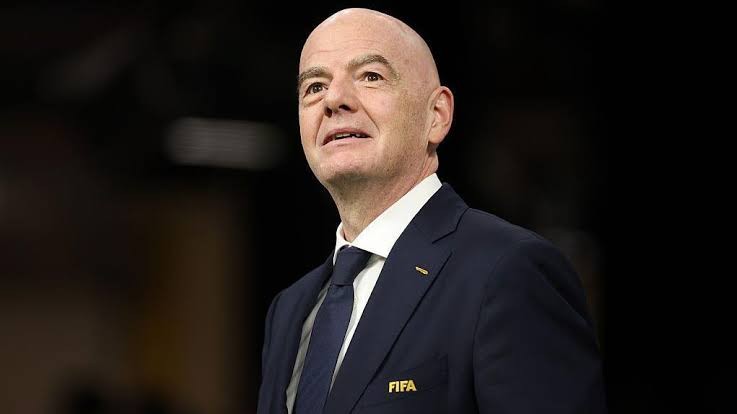
Formal Challenge Against FIFA Leadership
An advocacy organization known as FairSquare has launched a formal effort to prevent Gianni Infantino from running in the upcoming FIFA presidential election. The group asserts that permitting the current president to seek a fourth term violates the organization's established statutes regarding tenure limits.
FairSquare submitted a written request to the FIFA Governance, Audit and Compliance Committee, urging them to declare the incumbent ineligible for the next ballot. As of now, Infantino remains the sole individual to express an intention to run, a move that would extend his leadership through 2031 if successful.
Dispute Over Tenure Calculations
The core of the disagreement involves how the governing body calculates presidential terms. Infantino assumed the role in 2016 following the departure of Sepp Blatter amid widespread corruption investigations.
In late 2022, the FIFA Council determined that the period between 2016 and 2019 should not count toward the three-term limit, arguing that Infantino was merely completing the remainder of his predecessor's tenure. FairSquare is now calling for a reversal of this interpretation, arguing that the statutes do not provide exceptions for partial terms or the nature of the congress that elected the official.
Implications for Governance
The advocacy group warns that allowing this interpretation to stand sets a precarious precedent for future leadership transitions. Their correspondence highlights that the official statutes explicitly state no individual may serve more than three terms, without distinguishing between full or partial periods in office.
Beyond the legal debate, Infantino has faced mounting pressure due to various controversies, including discussions regarding private equity involvement in FIFA assets and questions surrounding high-profile awards. Observers note that the lack of internal accountability mechanisms remains a significant point of concern for critics of the current administration.
Uncertainty and Future Risks
Whether the Governance, Audit and Compliance Committee will revisit their previous consensus remains unknown. The organization has not yet issued a public response to the latest formal challenge regarding the eligibility criteria.
If the challenge is dismissed, it would solidify the current interpretation of the rules, potentially clearing the path for the incumbent to remain in power for several more years. Conversely, a successful challenge would necessitate a shift in leadership, creating a period of transition for the global football governing body.