Fed chair confirmed 54–45 as partisan Senate split looms
Fed chair Warsh won Senate confirmation 54–45 amid a stark partisan split, signaling a contentious start as Powell’s term concludes this week.
Lauren Collins ·
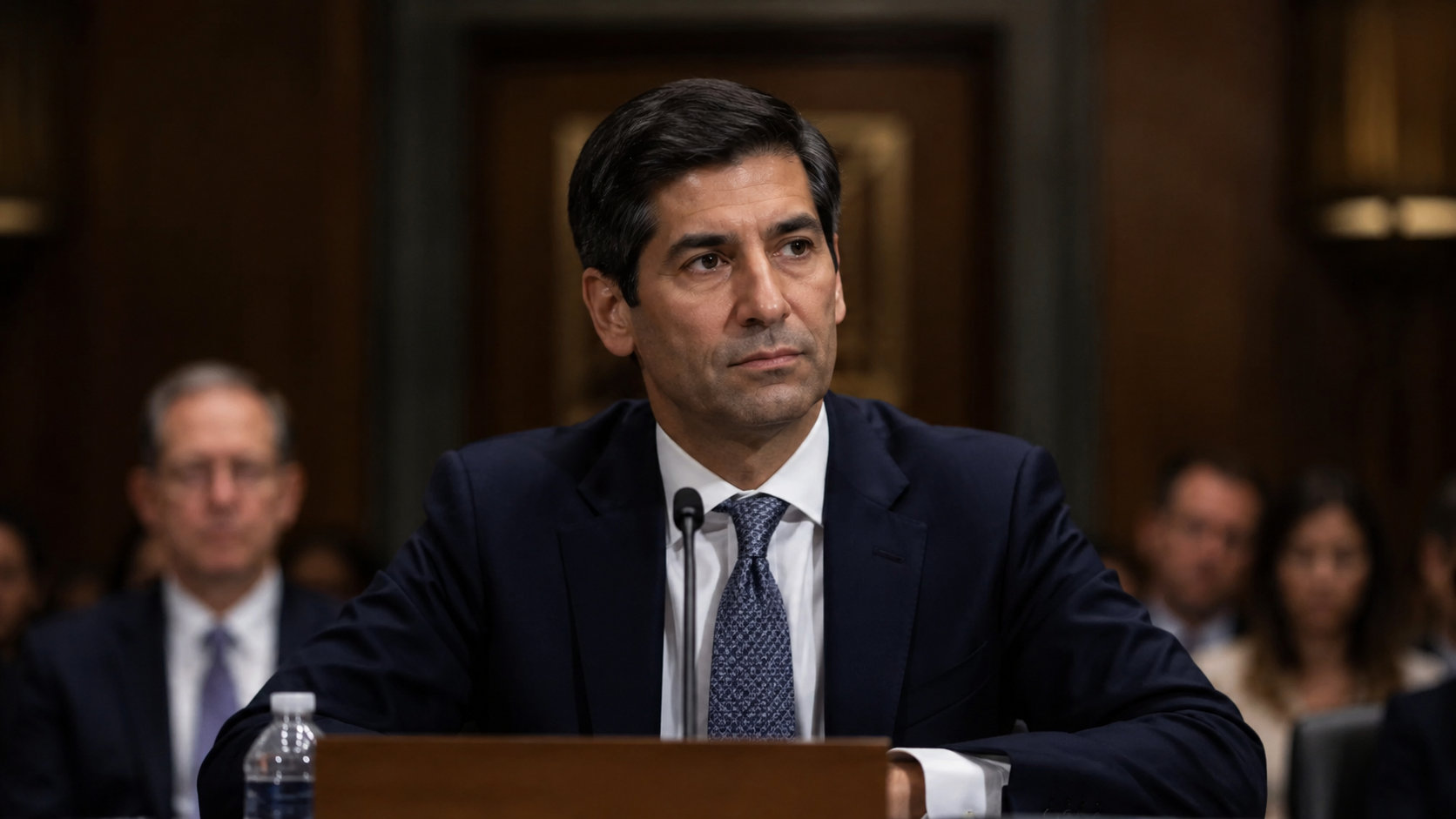
Fed chair Warsh was confirmed by the Senate in a 54–45 vote, carrying all Senate Republicans and one Democrat, John Fetterman, as Jerome Powell’s term ends on Friday.
Vote details and historic narrowness
The final tally reflected unanimous Republican support and a single Democratic defection in favor of Warsh. Sen. Kirsten Gillibrand of New York did not cast a vote, leaving the confirmation decided by a slim margin.
No nominee to lead the Federal Reserve has been confirmed by such a narrow margin since Senate approval became a requirement in 1977. The result underscores deep partisan divisions over central-bank leadership and monetary strategy.
Immediate challenges at the Fed
The divided Senate outcome foreshadows difficulties for Warsh within the Federal Open Market Committee. Several committee members have expressed skepticism about the rate cuts President Trump has urged, setting the stage for policy clashes.
Warsh inherits a central bank facing competing pressures: persistent inflation risks on one side and political calls for easier policy on the other. Powell’s term concluding this week creates a quick turnover in leadership at a sensitive moment for markets.
Context and implications
The confirmation breaks precedent for margin size and may weaken Warsh’s leverage on the committee where consensus matters for interest-rate decisions. A narrow confirmation vote often reduces a chair’s political capital among colleagues and the broader policy community.
Markets and lawmakers will watch early communications from Warsh for signs of his approach to inflation, growth, and any readiness to heed the administration’s push for rate reductions. His initial policy statements and the FOMC’s minutes will be closely scrutinized for shifts in stance.
Beyond policy, the confirmation influences the Fed’s institutional dynamics. A chair perceived as partisan or lacking broad Senate backing may encounter resistance from dissident governors or regional presidents when building consensus.
Looking ahead, key indicators to monitor include upcoming inflation data, the FOMC voting lineup, and any public dissent within the Federal Reserve ranks. Those elements will shape whether Warsh can maneuver toward the rate path he favors.
In short, the 54–45 confirmation secures Warsh the Fed’s top job but signals a contentious tenure ahead. Observers should expect early tests of his authority as the central bank navigates competing economic and political pressures in the months to come.