Senate Committee Advances Contempt Charges Against Anthony Fauci
A Senate committee is set to vote on holding Anthony Fauci in contempt after he invoked the Fifth, as Republicans argue a 2025 pardon removes risk.
Atlas Newsdesk ·
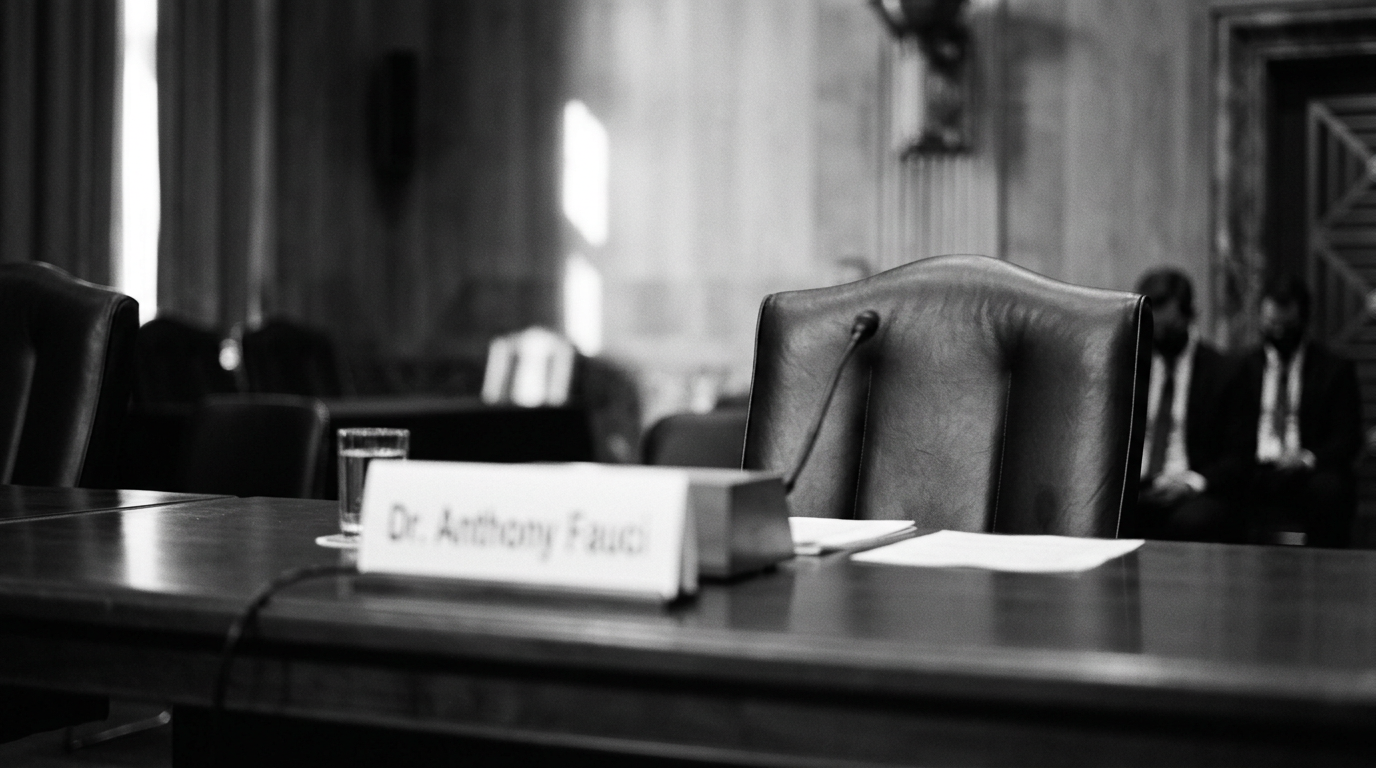
A US Senate committee is scheduled to vote on whether to hold former federal official Anthony Fauci in contempt of Congress, escalating a dispute over his recent testimony and the legal effect of a presidential pardon issued in early 2025.
The planned vote follows a committee hearing focused on Fauci’s tenure at Institutes of Health, where he repeatedly invoked protections under the Fifth Amendment rather than answer certain questions, according to officials familiar with the proceeding.
Committee move centers on Fifth Amendment claims
Republican committee leadership says Fauci’s reliance on the Republican committee leadership says Fauci’s reliance on the Fifth Amendment should not apply in this instance because, in their view, the early-2025 presidential pardon removes the threat of federal prosecution for past actions tied to the period under review. On that basis, the committee is preparing to adopt a contempt finding and send it to the Justice Department for potential enforcement, officials said. Such referrals can become a key pressure point in oversight fights, but enforcement decisions typically rest with prosecutors. Legal questions over pardons and subpoena power Legal analysts said the dispute raises substantial constitutional questions involving the reach of executive clemency and the boundaries of Congress’s authority to compel testimony. At issue is whether a pardon that eliminates federal criminal exposure also removes a witness’s ability to decline answers on self-incrimination grounds in a congressional setting.
Analysts also noted that the case could shape expectations for future testimony from people who have received executive clemency. That potential significance is heightened because the current administration has questioned the validity of prior pardon procedures, adding another layer of institutional conflict around how such actions are treated.
Defense points to state exposure and perjury risk
Fauci’s defense argues that his invocation of constitutional rights remains valid despite the federal pardon. They cite the possibility of state-level prosecutions and the risk of perjury allegations tied to any new testimony, even if federal charges for past conduct are off the table.
That position reflects a broader legal concern raised in similar disputes: a witness may fear that statements made under oath could create fresh legal exposure, separate from any earlier conduct covered by executive clemency. The defense maintains those risks are sufficient to justify continued Fifth Amendment assertions.
Justice Department response remains unclear
Even if the committee approves a contempt referral, the Justice Department’s willingness to pursue the matter is uncertain, according to legal observers. They pointed to the politically charged nature of the dispute and the discretion prosecutors have when deciding whether to act on a congressional referral.
The committee vote, and any subsequent enforcement decision, could clarify how far congressional investigators can go when a witness has received a presidential pardon but still claims legal jeopardy from other jurisdictions or from the content of new testimony.