Formula 1 Regulatory Changes Impact Race Dynamics
New F1 regulations on energy regeneration are changing race dynamics. Miami results show reduced speed differentials and shifts in team performance.
Ayla Demirhan ·
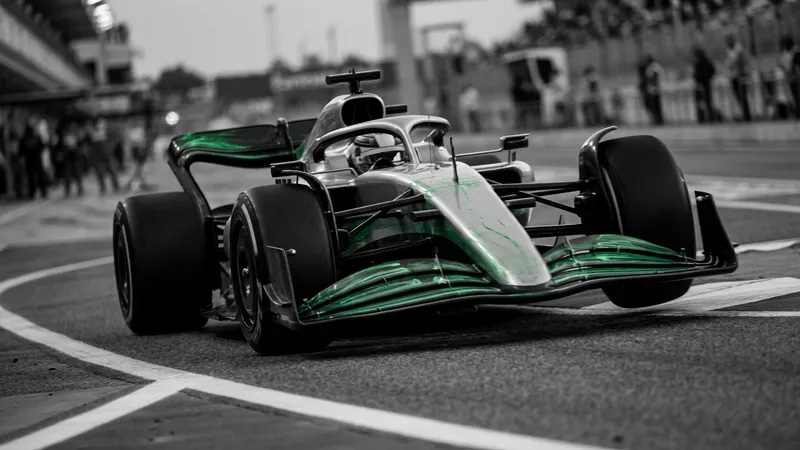
Recent regulatory adjustments to Formula 1's hybrid power unit energy regeneration and deployment limits have altered race dynamics. These changes aim to mitigate significant speed differentials and address prior concerns regarding energy management during qualifying sessions.
The Miami Grand Prix demonstrated the initial impact of these rule modifications. The event featured increased practice time, extending to 90 minutes on Friday, to accommodate the new regulations and a sprint weekend format.
Teams introduced various upgrade packages, with McLaren notably improving its performance. This suggests successful correlation between simulated and on-track performance for some teams, influencing competitive standings.
The changes to energy harvesting appeared to reduce precipitous speed loss during qualifying. This contributed to a more consistent performance profile across the field, though overall qualifying times were slightly slower than the previous year.