French Unrest Reflects Broader European Economic Strain
France faces escalating civil unrest driven by the collapse of its postwar social compact and the inability of the state to reconcile fiscal constraints with…
Lauren Collins ·
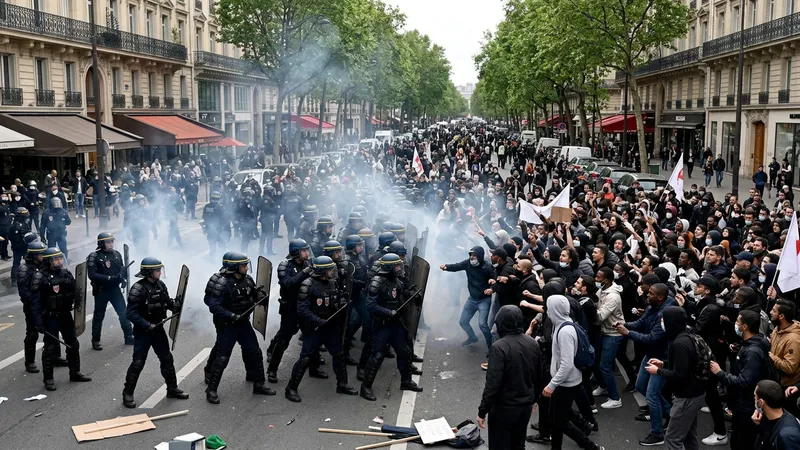
France is currently experiencing significant civil unrest, marked by widespread protests that initially stemmed from student grievances over educational underinvestment. These demonstrations have broadened to encompass wider public dissatisfaction with the state's capacity to maintain historical levels of social prosperity and economic security.
Postwar Model Under Strain
This domestic instability mirrors structural economic challenges confronting other major European economies, including Germany and the United Kingdom. The postwar economic model, which depended on favorable demographics, robust productivity growth, and strong integration with the United States, is no longer sustainable under current global conditions.
Historically, the 1982 policy shift under the Mitterrand administration showcased the limitations of attempting to decouple national social policy from global capitalist constraints. Efforts to implement expansive social programs in isolation are frequently curtailed by capital flight, currency pressures, and the necessity of upholding fiscal discipline to satisfy international financial markets.
Demographic Shifts Fuel Volatility
France's current political landscape is further complicated by declining fertility rates and a failure to effectively integrate immigration as a solution to labor force contraction. These demographic pressures threaten the long-term viability of the social security system, increasing the risk of continued political volatility as the current administration approaches the end of its term.