

Audi F1 sits eighth on 12 points in 2026 season
Audi F1 is eighth in the 2026 constructors’ standings with 12 points as it integrates Sauber and builds a Neuburg power unit for long-term goals.
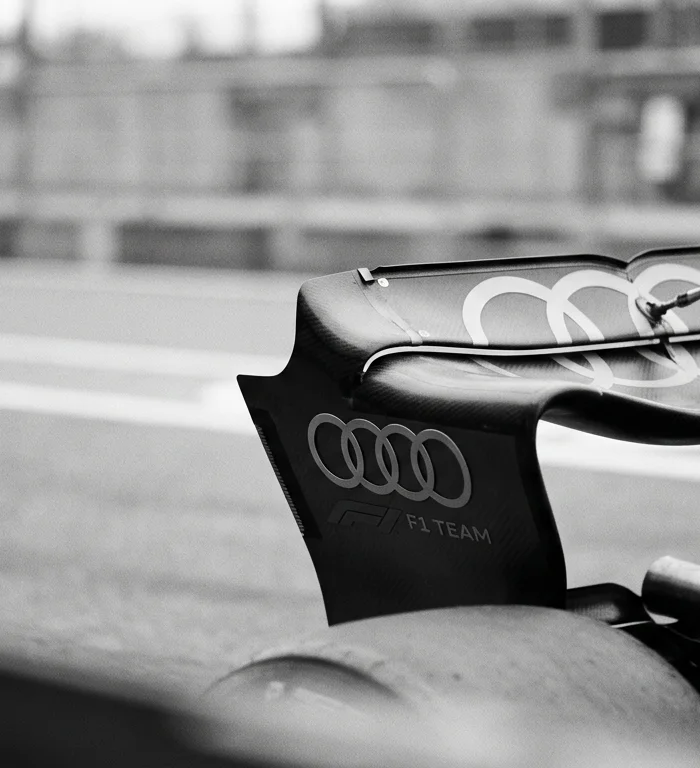
Audi’s Formula 1 team is running eighth in the 2026 constructors’ standings with 12 points, marking a measured start to its first season on the grid. Officials have framed the early results as part of a wider buildout, with performance targets set over multiple years rather than an immediate push for podiums.
The organisation is pursuing two major workstreams at the same time: integrating the former Sauber structure and developing an in-house power unit in Neuburg. Management has linked this dual-track approach to long-term ambitions, describing it as a foundation for championship aspirations.
A dual build: Sauber integration and Neuburg power unit Audi is effectively combining an existing team platform with new processes, personnel, and upgraded facilities. Officials said current outcomes should be read in the context of bringing new staff into place and modernising the operational base, a transition that can affect day-to-day execution as roles and workflows settle.
In parallel, the power unit programme in Neuburg is progressing as an in-house effort. The team has positioned this project as central to its long-range plan, indicating that the technical and organisational choices being made now are intended to support a sustained competitive trajectory.
Early-season constraints: output, reliability, and starts On track, the main performance limitation has been identified as power unit output, which is currently behind established rivals. That deficit has narrowed the team’s operating window during race weekends, making it harder to consistently convert potential into results.
Reliability problems have also disrupted efficiency in the first half of the season. Alongside those issues, inconsistent race starts have further reduced the team’s ability to hold or gain positions when points are typically won or lost in the opening phase.
Investment priorities and the 2030 target
Despite the current constraints, leadership has said chassis development is meeting internal benchmarks. At the same time, the team has acknowledged that further spending is required, with investment needs spanning both human capital and technical resources.
Infrastructure expansion remains a stated priority, with the organisation seeking to strengthen facilities and capabilities to support its declared of championship competitiveness by 2030. For now, the emphasis remains on steady progress and integration execution, with the next phases expected to depend on how quickly reliability, operational consistency, and power unit performance can be lifted within the ongoing development plan.
More stories
- Morocco targets 2030 World Cup final with new stadium bid
- Hull City 2–0 Brighton: When Resilience Beat Reputation
- Aleksey Batrakov Attracts Barcelona Transfer Interest
- Manchester United weigh Osimhen move, transfer report says
- Ravens 20, Chargers 23: A season at the edge
- Billie Jean King ties 39 majors to equal-pay fight
- NBA Europe launch gives London, Manchester franchise race
- Trabzonspor Salah transferi kombine satışını erken artırdı
Latest news
- Barclays puts AI bust risk at center of US growth debate
- US inflation reaches 3.8% before December Fed rate meeting
- Türkiye Desk: GTA 6 drains UK mobile spend as Turkish studios feel pressure
- Global stocks fall 0.4% as tariffs and US inflation loom
- CIA hack affects unclassified data; scope remains unclear
- Eisenkot secures first coalition deal but lacks majority
- Trump prepares tariffs on China and other major exporters
- New-car buyers pay record average $50,087 in October