New Drug Halts Osteoarthritis Progression in Animal Trials
Experimental drug reversed osteoarthritis in animal models within weeks; researchers plan more safety studies ahead of possible human trials.
Ayla Demirhan ·
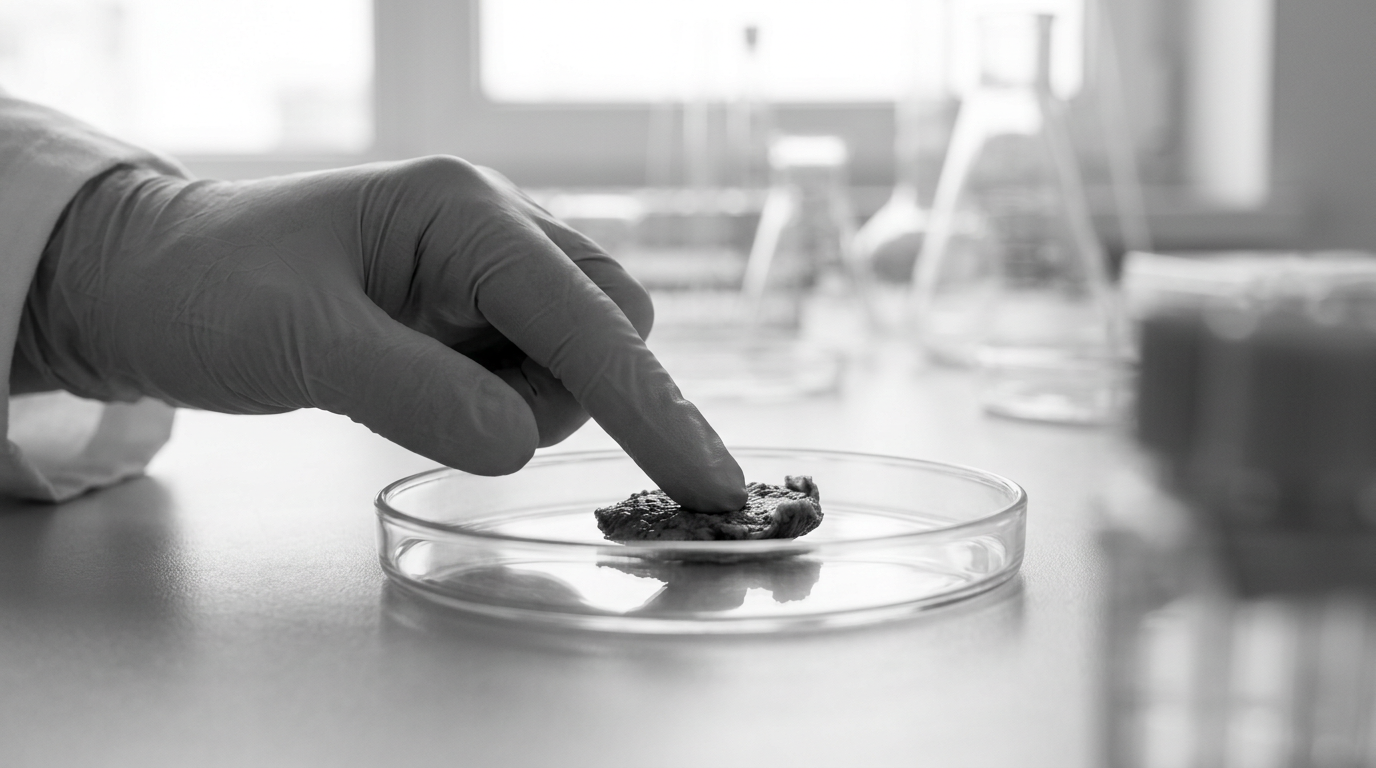
Researchers at the University of Colorado Boulder reported that an experimental drug reversed osteoarthritis in animal models within weeks, according to the research team. The approach is built around a single injection delivered directly into an injured joint, using a slow-release formulation intended to activate the body’s own repair processes for cartilage and bone.
The team described the treatment as a potential shift from today’s standard osteoarthritis care, which largely centers on managing pain or, in advanced cases, replacing the joint through surgery. Osteoarthritis is linked to cartilage loss that can lead to chronic pain and progressive bone damage, and the source material states that existing therapies do not cure the condition.
The work is being led by Stephanie Bryant, a chemical and biological engineer, the researchers said. The group is preparing to begin a second phase of animal testing. That next stage is intended to collect additional safety and toxicology information, which the team described as necessary before any human clinical trials can start.
Based on the plan outlined by the researchers, the aim is to reach human trials within the next 18 months, but only if the ongoing animal studies are completed successfully. The timeline and the transition to clinical testing remain dependent on the results of the next animal phase, including whether the safety and toxicology package meets requirements for moving forward.
Beyond the laboratory, the researchers framed the work as a possible regenerative alternative for a disease that affects hundreds of millions of people worldwide. If a therapy can reliably restore joint tissue rather than only reduce symptoms, it could change how health systems approach long-term osteoarthritis care, including the balance between chronic pain management and surgical intervention.
For global markets and policy stakeholders, the update highlights how early-stage biomedical research can influence future demand across multiple segments, from orthopedic procedures to long-duration pain therapies. However, the key uncertainty remains the same: the findings cited here are limited to animal models, and the next steps depend on further animal safety and toxicology results before any human testing can begin.