Native Lands Offer Cheaper Gas, Pressuring Nearby Stations
Tribal lands fuel prices are often lower due to state and local tax exemptions, drawing drivers nationwide and boosting tribal station traffic.
Atlas Newsdesk ·
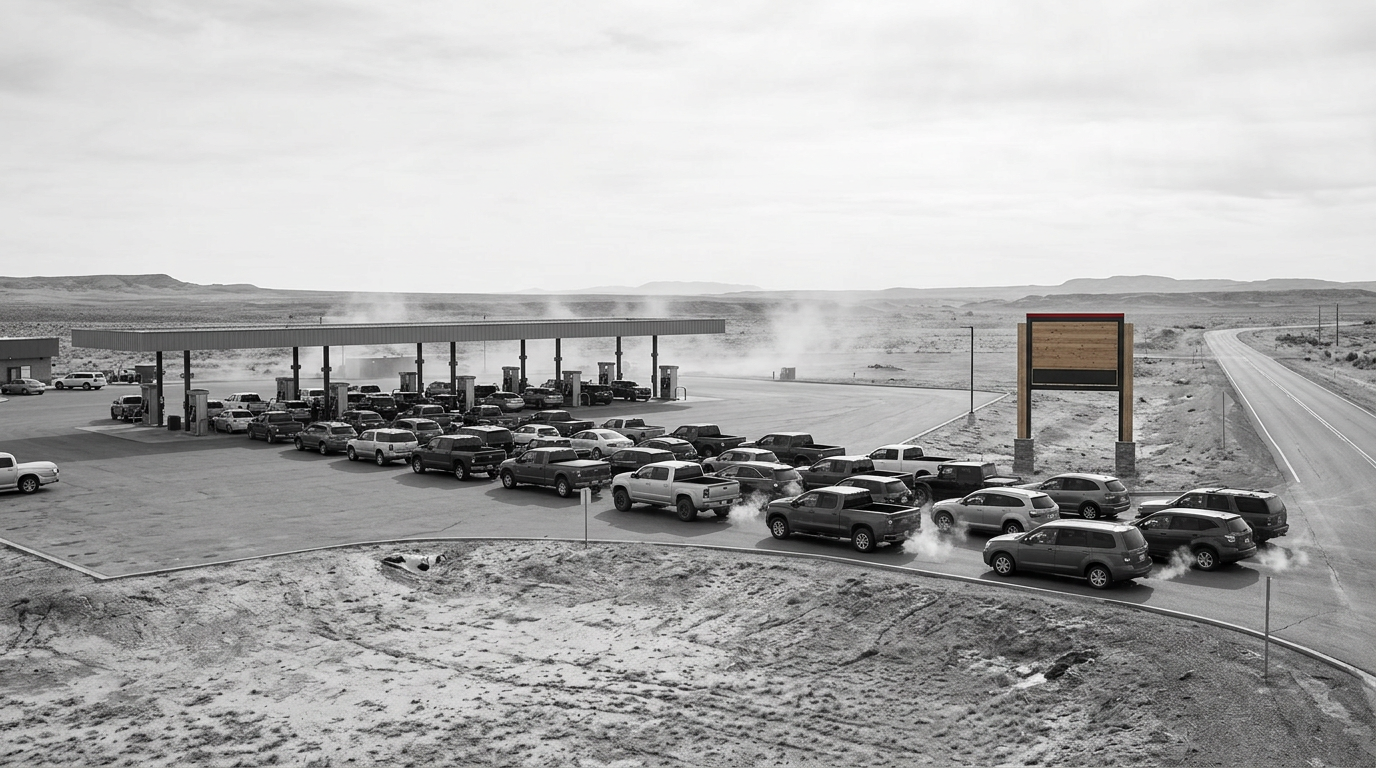
Drivers across the United States are increasingly turning to gas stations on tribal lands to cut fuel costs, as pump prices there can be notably lower than at nearby non-tribal stations. The pattern has been observed in multiple regions, from Seattle to New York, as consumers look for ways to manage higher transportation expenses.
The price gap is tied to the tax treatment of fuel sales on tribal lands. Native American tribes are exempt from state and local fuel taxes, and that difference can translate directly into lower posted prices for customers. Officials and businesses describe the advantage as stemming from tribes’ sovereign status, which allows tribal retailers to avoid certain state taxation structures that apply off tribal lands.
In western New York, one example highlighted a clear contrast within a short drive. 29 per gallon just a few miles away in non-tribal areas. 50 per gallon, a spread that can be meaningful for frequent drivers and commercial users alike.
The lower prices are drawing both tribal members and non-tribal consumers, increasing traffic at tribal fuel retailers. For tribal businesses, the tax-related pricing edge can translate into higher volumes and stronger revenue, particularly when national fuel prices are elevated and consumers are more sensitive to small per-gallon changes. The resulting activity is described as supporting tribal economies while also offering a practical benefit to motorists seeking immediate savings.
What remains less clear from the information available is how consistently the price advantage appears across different tribal lands and regions, and how much it varies over time as broader fuel prices move. The reported range of discounts suggests the gap is not uniform, and local market conditions may influence how much of the tax difference is passed through to consumers.
Even so, the core dynamic is straightforward: where tribal stations can price fuel below nearby competitors because of tax exemptions, drivers have an incentive to shift where they fill up. That shift can redirect local fuel spending toward tribal retailers, reinforcing the role of tribal sovereignty in shaping consumer costs and regional competition at the pump.
Implications
Country Impact: In the United States, lower fuel prices on tribal lands can shift where consumers buy gasoline, especially during periods of elevated national prices. The dynamic highlights how tribal sovereignty and tax structures can influence everyday costs for households and businesses.
Industry Impact: Fuel retailers near tribal lands may face stronger price competition when tribal stations can undercut posted prices. For tribal businesses, increased traffic and revenue can support broader tribal economic activity tied to consumer spending.
Market Impact: Lower-priced fuel options can affect local demand patterns and revenue distribution in regional fuel markets. Internationally, the story underscores how domestic tax regimes and sovereign jurisdictions can shape consumer pricing and competitive behavior even when underlying fuel costs are broadly shared.