ECB Braces for Iran War Energy Shock, Bond Yields Volatile
ECB weighs Iran war energy shock as investors swing eurozone rate bets, with yields volatile and officials flagging higher uncertainty in March–April 2026.
Atlas Newsdesk ·
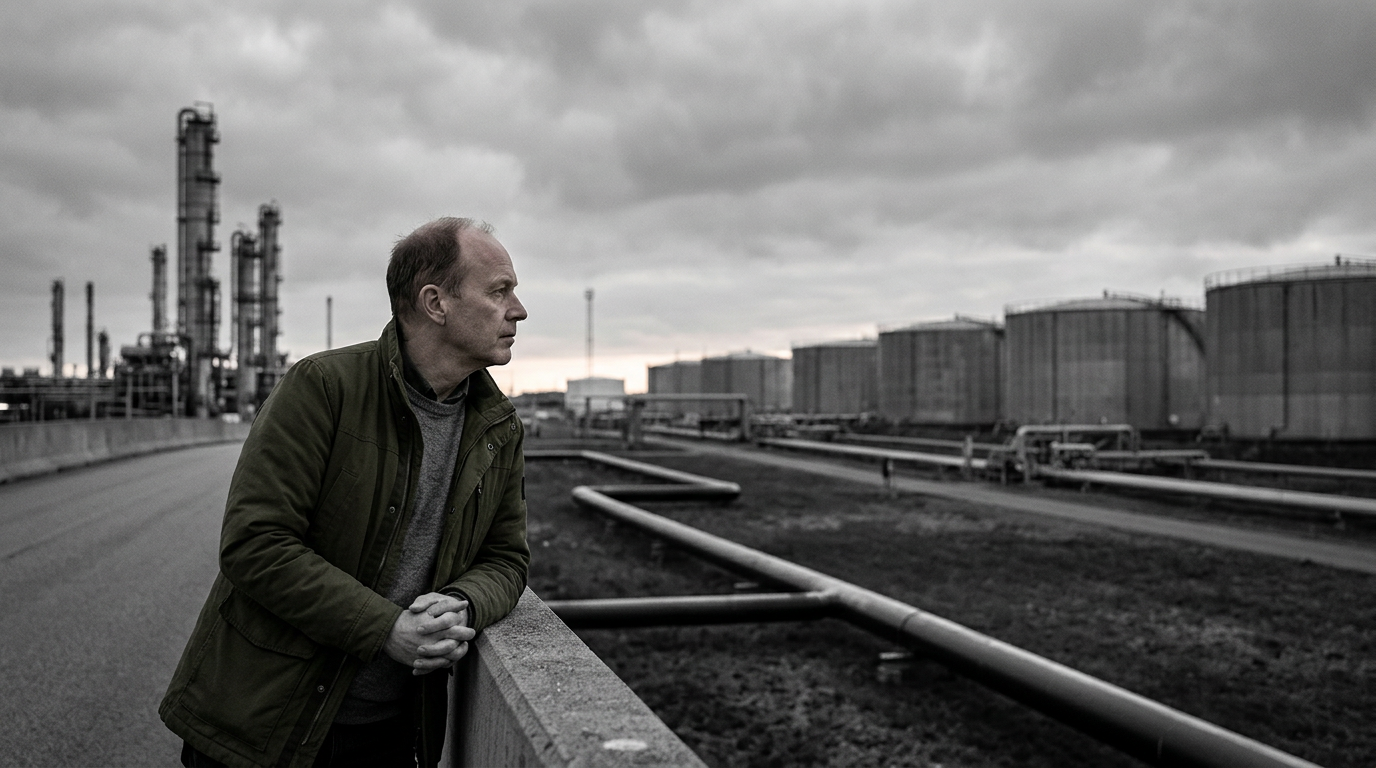
The European Central Bank (ECB) is confronting a renewed inflation shock driven by higher energy prices linked to the war involving Iran, as investors repeatedly reprice expectations for eurozone interest rates. Officials have stressed that the duration and intensity of the price surge remain unclear, leaving policymakers to balance inflation risks against growth and financial stability concerns.
On March 19 2026, the ECB kept its key interest rate unchanged at 2% while energy prices were rising. Policymakers said the move in energy costs could have a “material” effect on near-term inflation and warned that uncertainty had increased. Officials indicated they were not yet in a position to decide whether the shock could be absorbed without a tighter policy stance.
ECB president Christine Lagarde reinforced that message in remarks on March 25 2026, saying the central bank was prepared to raise rates “at any meeting.” She said policymakers needed time to assess the “nature, size and persistence” of the inflation surge tied to the Iran war. Lagarde also emphasised that the policy path would depend on how the shock develops rather than following a preset timetable.
Financial markets have reflected that uncertainty through sharp swings in sovereign borrowing costs. On March 9 2026, investors moved away from earlier expectations for rate cuts as the oil crisis deepened, with the Iran war seen as complicating plans to ease policy.
By March 29 2026, eurozone borrowing costs had risen amid concerns the shock could worsen public finances, and government bonds were described as heading for one of their worst months of the past decade as investors warned of “deterioration” in fiscal positions.
The repricing has not been one-way. On April 8 2026, European bonds rallied as traders reduced bets on interest rate increases, and government debt in the UK and eurozone was reported to be on course for its strongest day since 2023. Commentary the same day drew comparisons with 2011, when the ECB raised rates during an oil shock and later faced criticism, while also noting that the current episode may not be the same.
Alongside rate decisions, the ECB is managing a shift in liquidity conditions as pandemic-era support is unwound. On April 2 2026, the central bank’s emergency pandemic stimulus was described as rolling off, with ECB estimates indicating that nearly €3tn of excess liquidity will have drained from the financial system by 2027.
Separately, on March 30 2026, the ECB warned Banca Monte dei Paschi di Siena over a dispute about chief executive succession, saying the board’s proposed new leader, Fabrizio Palermo, may not meet the regulator’s approval.
Officials have also pointed to structural vulnerabilities that shape the policy debate. On April 7 2026, Frank Elderson said Europe’s dependence on fossil fuels creates recurring risks for price stability and that repeated cost shocks make the transition to cleaner energy critical. On April 3 2026, the Middle East situation was described as “highly volatile,” underscoring that the key unknowns for inflation, growth, and policy remain tied to how the energy shock evolves and how long it lasts.