Trump proposes TSA airport security privatization
Trump proposes TSA airport security privatization in a White House budget plan that cuts $52 million and expands TSA-funded private screeners.
Atlas Newsdesk ·
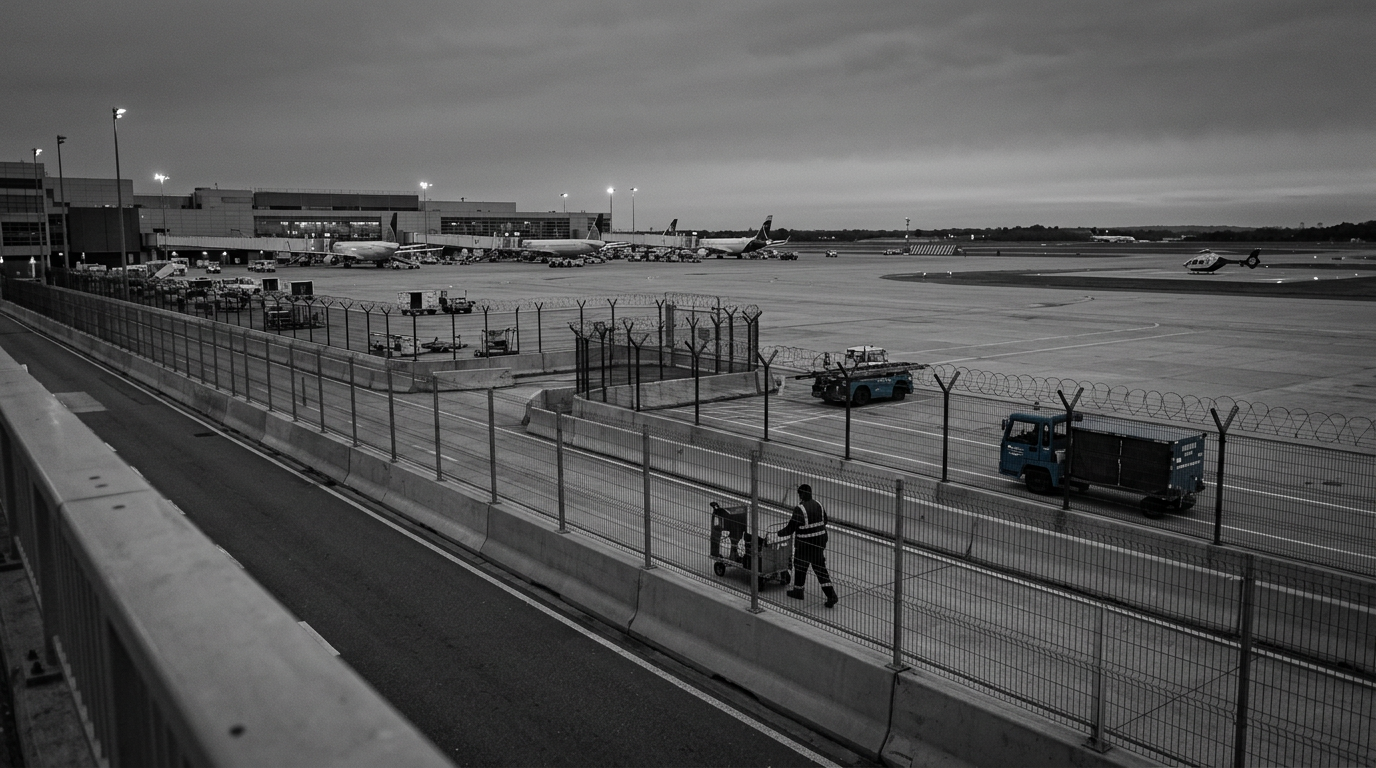
President Donald Trump on Friday, April 3, 2026, proposed shifting U.S. airport passenger screening toward privatized operations, a function now largely carried out by the Transportation Security Administration (TSA). The plan was presented in the White House budget and pairs policy changes with a reduction in agency funding.
According to the budget outline, the proposal includes a $52 million cut to the TSA budget and would require smaller airports to move into a program that uses private screeners. Under that structure, the private screening workforce would be funded by the TSA rather than by the airports directly, as described in the budget documents.
The TSA was created after the September 11, 2001 attacks and currently employs about 50,000 federal workers who conduct screening at nearly all U.S. airports. The budget materials say airports already operating under the private screener program have shown cost savings when compared with federal screening operations.
The proposal comes after recent disruptions at major U.S. airports tied to unpaid TSA officers. Those disruptions followed a budget dispute that stopped funding in mid-February, affecting staffing and operations at a time when airport throughput remains a central operational concern for airlines and airport authorities.
The administration has previously argued for reducing TSA spending. In an earlier effort, the Trump administration sought a $247 million cut, citing audit failures and what it described as intrusive screening practices. That earlier proposal was described as a 3-4% reduction in TSA staffing levels, including impacts to exit lane personnel, along with a 2% reduction across 435 airports.
The current proposal contrasts with the approach taken under the Biden administration, which increased TSA staffing to nearly 60,000 employees. That expansion was linked to higher travel volumes, including a record 904 million passengers screened in 2024, which was reported as a 5% increase from 2023.
What remains unclear from the budget description is how quickly smaller airports would be required to transition, and how the TSA would manage oversight and performance standards across a larger footprint of private screening contractors. The budget documents emphasize cost comparisons, but the operational details of implementation and accountability are not specified in the provided materials.