Europe Faces Jet Fuel Crunch as Hormuz Blockage Threatens Regional Flights
Atlas Newsdesk ·
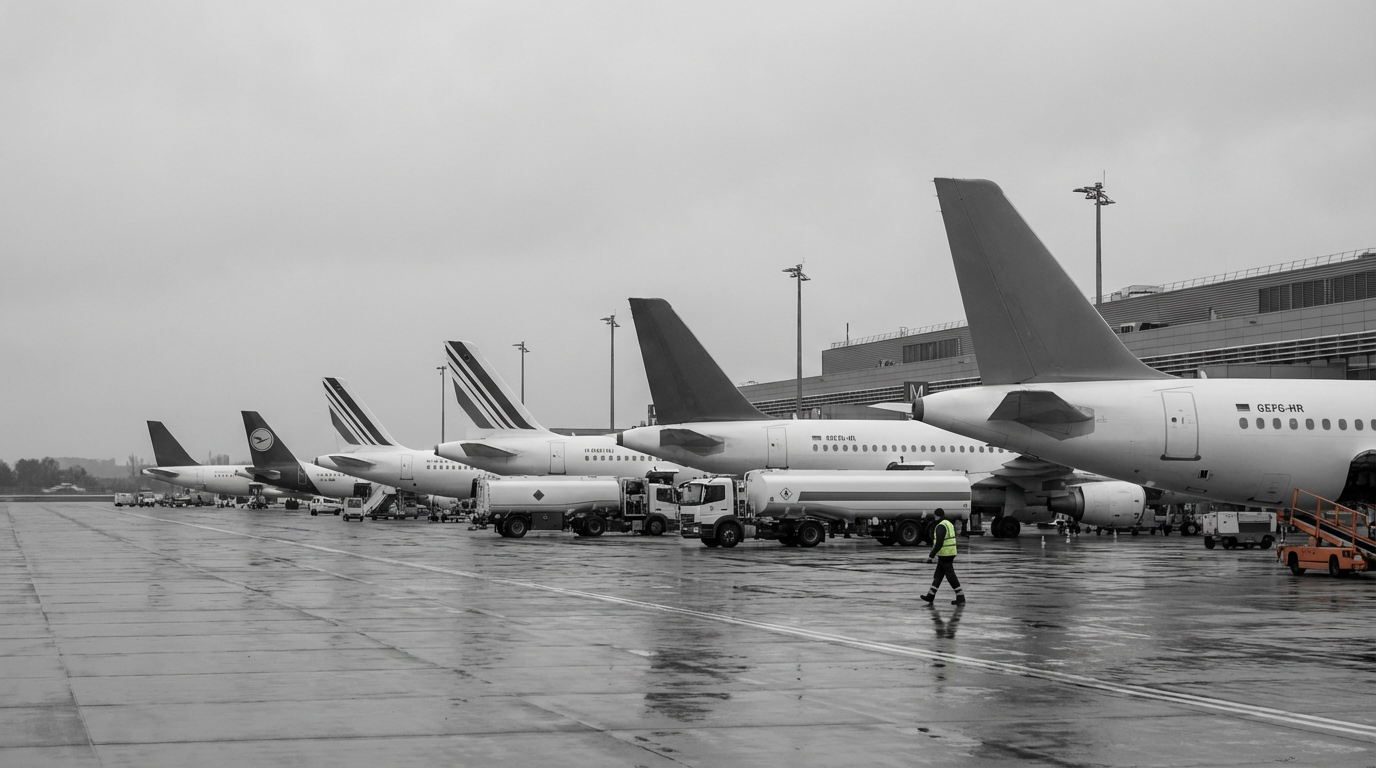
Fatih Birol, the executive director of the International Energy Agency, said Europe may have only “maybe six weeks or so” of jet fuel left if the blockage of the Strait of Hormuz continues, warning that flights between European cities could start to be canceled. In comments to the Associated Press, he said the disruption to one of the world’s most important energy corridors could carry broad economic consequences. His message was blunt: the longer the chokepoint stays shut, the greater the damage to global growth and consumer prices.
Jet Fuel Shortage Concerns
The warning shifts attention from crude oil alone to the refined fuels that keep airlines operating. Jet fuel shortages can hit schedules quickly because carriers and airports rely on steady replenishment rather than large emergency stockpiles. If Europe’s supply cushion is as thin as Birol suggested, the aviation system may face practical limits within weeks, not months.
Strait of Hormuz Significance
The Strait of Hormuz has long been one of the most sensitive passages in global energy trade, linking Gulf producers to markets in Europe and Asia. Any prolonged interruption there can choke off shipments of oil and petroleum products, forcing buyers to compete for cargoes from other regions. Birol underscored that point with a play on the rock band Dire Straits, calling Hormuz “a dire strait now,” but the underlying issue is serious: a local blockade can become a worldwide inflation shock.
Impact on Airlines
Airlines would be among the first businesses to feel the pressure. A shortage of jet fuel would not only raise operating costs but could also reduce the number of flights carriers are able to run, especially on shorter regional routes where pricing power is weaker and substitutions are easier. Travelers could face higher fares, thinner schedules, and last-minute cancellations, while airports and tourism-dependent cities would absorb the secondary hit.
Economic Consequences for Europe
For Europe, the problem goes beyond aviation. A jump in fuel costs would feed into transport, logistics, and eventually consumer prices, complicating an already difficult balance for policymakers trying to protect growth without reigniting inflation. Energy disruptions also tend to hit unevenly, leaving countries and sectors with weaker buffers more exposed than others.
Global Economic Ripple Effect
Birol’s warning also highlights how energy shocks still ripple through the world economy even after years of diversification efforts. Asia would also be competing for replacement supplies, tightening markets further and making Europe’s scramble more expensive. In that environment, a blockage in Hormuz becomes more than a regional security crisis; it turns into a contest for fuel, freight capacity, and economic resilience.
Uncertainty of Duration
The key uncertainty is duration. A short disruption might be manageable through rerouting, stock draws, and emergency coordination, but a longer closure would raise the odds of rationing, sharper price spikes, and wider transport disruption. What markets and governments will be watching now is whether the passage reopens soon enough to prevent a supply squeeze from turning into a broader economic setback.