ESA Scraps Ariane 6 Upgrade Amid Cost Concerns
The European Space Agency (ESA) has halted the planned 'Block 3' upgrade for its Ariane 6 launcher, citing high costs and commercial viability challenges.
Atlas Newsdesk ·
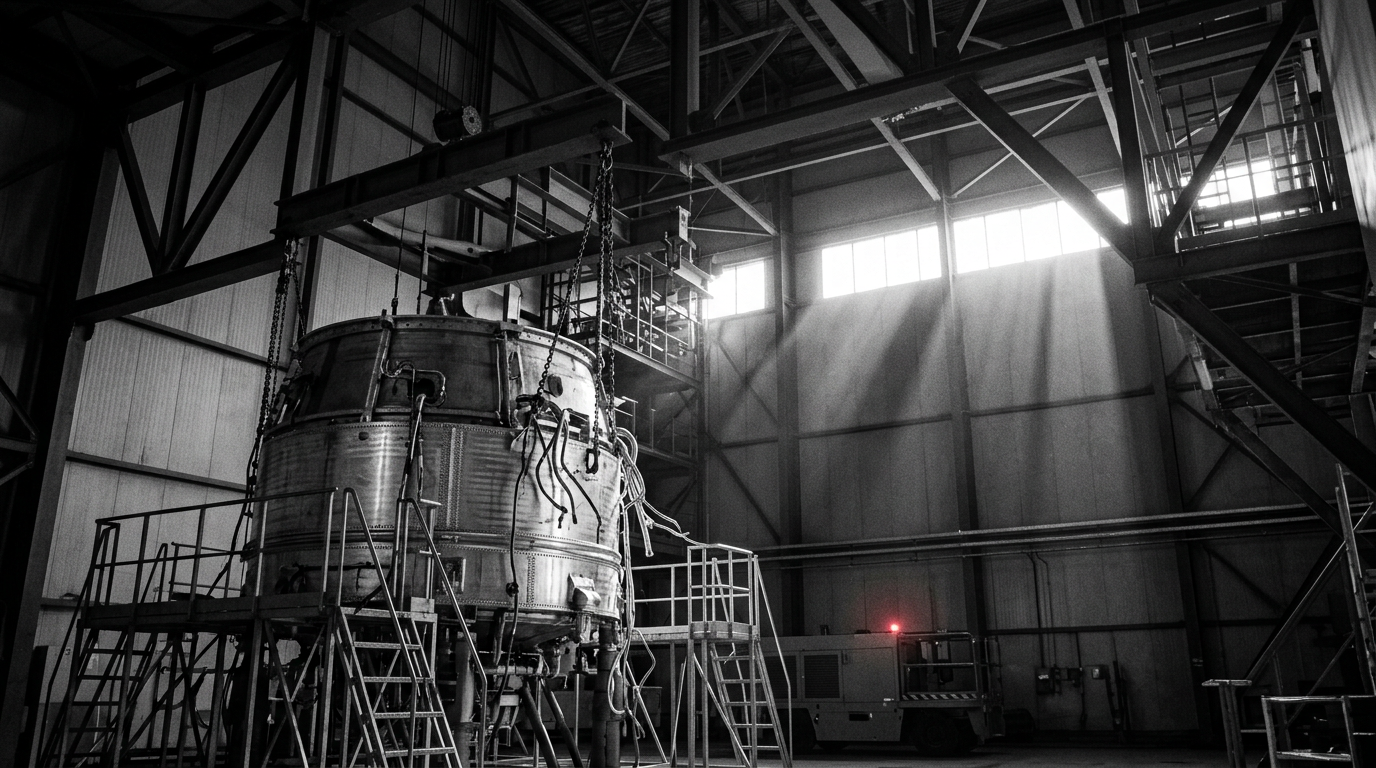
The European Space Agency (ESA) has made the decision to cease development on the intended 'Block 3' upgrade for its Ariane 6 launch vehicle. This move specifically discontinues work on the ICARUS upper stage, which was designed to be lightweight and enhance the rocket's capabilities for advanced scientific missions, particularly those requiring deep-space exploration. The cancellation stems from financial assessments indicating a heavy reliance on government subsidies for the Ariane 6 program, prompting questions about its long-term commercial viability in a competitive global market.
Financial evaluations reveal that each Ariane 6 launch currently requires state funding estimated between 32 million and 38 million euros. When the substantial development costs are factored in and amortized, the overall taxpayer investment for each launch escalates to over 100 million euros. This significant public expenditure has raised concerns regarding the program's ability to compete with newer, more cost-efficient launch providers.
Economic Pressures on European Space Industry
The decision to abandon the 'Block 3' upgrade highlights the considerable economic pressures currently facing Europe's space launch industry. The high cost per launch, coupled with substantial public subsidies, scrutinizes Ariane 6's competitive position within the global space sector. The market is increasingly dominated by operators utilizing more economical, partially reusable launch systems, a trend that has fundamentally reshaped industry dynamics.
This shift places considerable pressure on traditional, expendable rocket designs like Ariane 6. European ministers are currently engaged in critical discussions to define the future trajectory of the continent's space strategy. Potential solutions under consideration include increasing the launch frequency for Ariane 6 to meet growing demand or reallocating financial resources towards the development of next-generation, partially reusable rocket technologies.
Strategic Re-evaluation and Future Investment
This ongoing strategic re-evaluation acknowledges the rapid evolution of the space industry and the imperative need for innovation to maintain a competitive edge. A definitive decision regarding both the scaling of Ariane 6 production and the broader investment strategy for European space launch capabilities is expected before the close of the current year. This forthcoming resolution will be crucial in determining Europe's competitive standing against international rivals who have either already implemented or are aggressively advancing reusable launch technologies.
The outcome will directly influence Europe's future autonomous access to space, impacting both commercial ventures and institutional missions. The Ariane 6 program itself represents Europe's concerted effort to ensure independent space access, building upon the successful legacy of the Ariane 5 series. While its initial development aimed to provide a reliable and versatile solution for heavy and medium-lift payloads, its economic model, especially when compared to new market entrants, remains a subject of ongoing debate among member states and industry stakeholders as the global space economy expands.
The present strategic juncture underscores the delicate balance required between national space ambitions, technological progress, and economic realities. Decisions made concerning Ariane 6 upgrades and future investments will carry significant long-term implications for Europe's role within the expanding global space sector.