

DRC Ebola Outbreak Expands to 60 Health Zones
The Democratic Republic of Congo's Ebola outbreak has spread to 60 health zones, registering 5,794 cases and 2,786 deaths since mid-May.
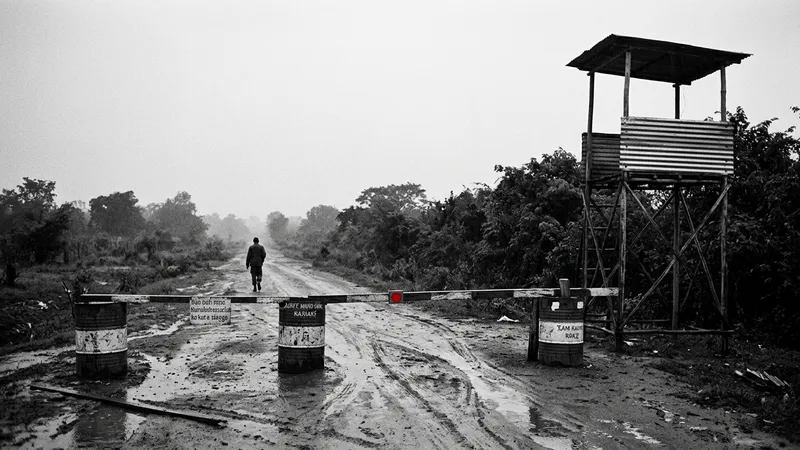
The Ebola epidemic in the Democratic Republic of Congo (DRC) has extended its reach to 60 health zones across the country, with recent confirmed cases in the Biena and Manguredjipa areas. This geographical expansion was officially reported by the DRC Ministry of Health on Friday. The current outbreak, which began in mid-May, has documented 5,794 confirmed cases and resulted in 2,786 fatalities, making it the most rapidly spreading Ebola crisis recorded.
The overall mortality rate for the ongoing epidemic stands at 48 percent. However, specific regions, such as Beni, are experiencing an even higher fatality rate, reaching 69 percent. These statistics underscore the critical and swift progression of the health emergency within the affected areas.
Containment Challenges Amidst Conflict
Efforts to control the virus face significant and multifaceted hurdles. Persistent armed conflicts throughout the region create an unstable environment, severely hampering public health initiatives and limiting access to affected communities. This instability also leads to widespread population displacement, complicating essential public health activities like contact tracing and the isolation of infected individuals, both crucial for preventing further transmission.
Adding to these difficulties is the inadequate state of medical infrastructure in many impacted localities. Existing healthcare facilities are frequently insufficient to meet the demands of a rapidly escalating health crisis, placing immense strain on resources and personnel, and ultimately impeding an effective response. The specific strain identified in this outbreak is Bundibugyo, for which an approved vaccine is not yet available.
Response Strategies and International Support
In the absence of an approved vaccine for the Bundibugyo strain, response teams are primarily relying on established containment strategies. These include rigorous contact tracing to identify potentially exposed persons, strict adherence to safe burial practices to prevent infection from deceased individuals, and isolation protocols for patients. The lack of a vaccine emphasizes the necessity for exceptionally robust and sustained public health efforts to curb the disease's spread.
To address severe shortages in medical facilities, organizations like Doctors Without Borders (MSF) have established new treatment centers, including one recently opened in North Kivu. The global community has deployed a considerable workforce, with 1,400 aid workers actively involved in response activities. Additionally, 400 hospital beds have been designated for patient care to manage the increasing number of cases.
Escalating Crisis and Urgent Calls
Despite these contributions, international health officials have issued grave warnings. Analysts predict that if current trends continue, the epidemic could potentially surpass the scale of the 2014–2016 West Africa outbreak, which caused more than 11,000 deaths. In response to this intensifying humanitarian and health crisis, United Nations leadership has publicly called for an immediate and substantial increase in global intervention, highlighting the critical need for coordinated international support to stabilize the region and mitigate the devastating impact of the epidemic.
More stories
- Donor-specific genomes reveal 1,790 chromatin hotspots
- Ant genomes point to mobile DNA as size driver
- Strength-focused exercise after 50 reframes heart plans
- Flu visits double as early season puts vaccines in focus
- Hurricane Isaias halts Gulf output; US approves oil relief
- Unduliner reaches 0.897 accuracy in cancer-genome preprint
- Breakthrough Supercooling Technique Extends Lifespan of Donor Organs
- DRC Launches Emergency Ebola Vaccination Drive in Kisangani
- G20 Health Ministers Commit to WHO Investment Round
- France Backs WHO With €24M Core Grant
Latest news
- Mashreq CEO Abdelaal joins 15-member Swift board
- Sudan strikes kill 112, rights group says
- Ticketory says six-month bookings exceed €550,000
- Deadlock’s Solomon hides 8-to-32 chess reload boards
- Merck KGaA tops MediciNova on 8 of 15 metrics
- Tanker burns near Hormuz after munition strike
- Trump claims Ukraine-Russia energy ceasefire agreement
- Zelensky condemns US-Russia diesel deal as Putin gift