Dutch firm ASML challenged on EUV export controls claims
ASML export controls are under U.S. scrutiny after Commerce Secretary Howard Lutnick raised concerns that an EUV lithography system may have reached China.
Jason Kwon ·
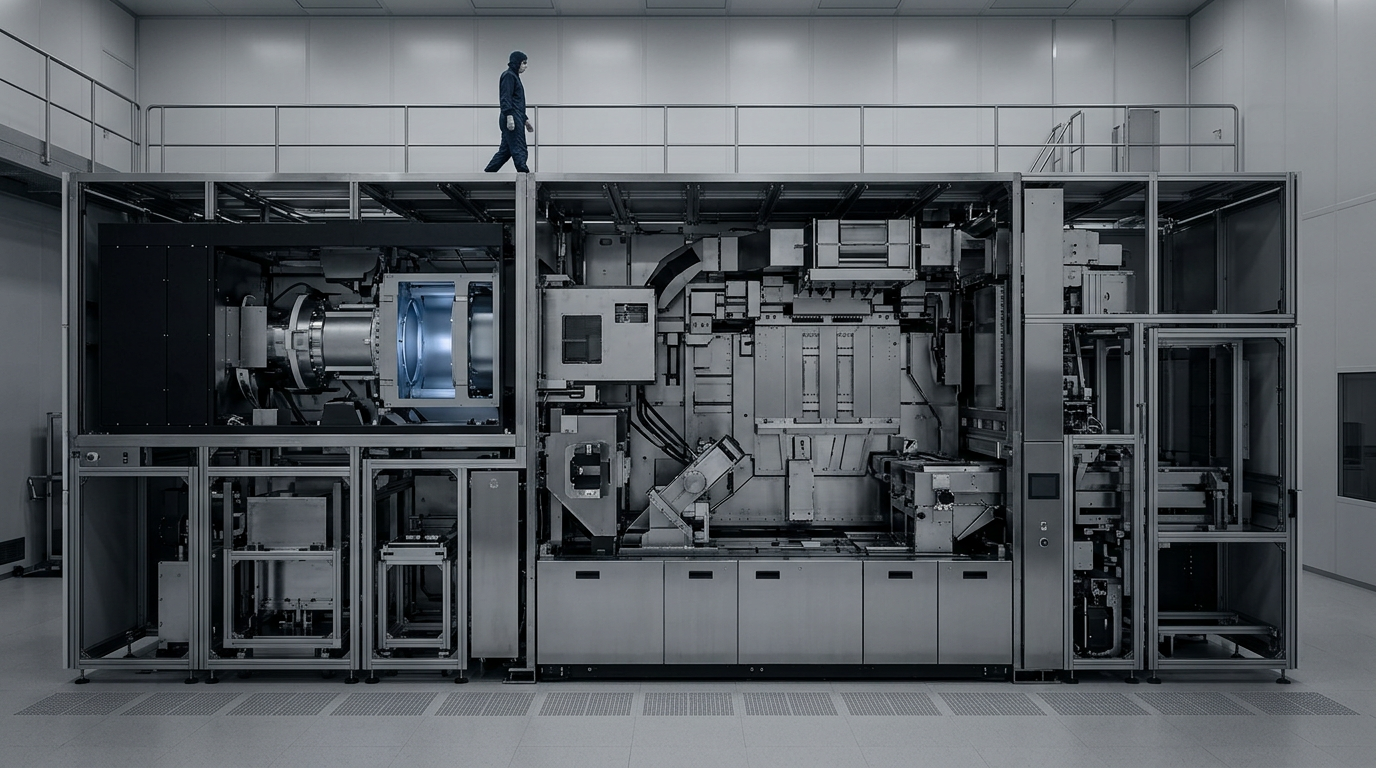
ASML export controls are under renewed U.S. scrutiny after Commerce Secretary Howard Lutnick raised concerns that a top-tier EUV lithography system may have ended up in China.
According to people familiar with the discussions, Lutnick conveyed the concern in a series of meetings with ASML senior leaders. The meetings focused on extreme ultraviolet (EUV) lithography machines, the company’s most advanced chipmaking systems.
ASML, a Dutch maker of semiconductor-manufacturing equipment, disputed the suggestion, the people said. The company has said it has never shipped an EUV machine to China and maintains that none of the tools are located there.
U.S. meetings center on EUV systems and China restrictions
EUV tools are widely viewed as the most critical systems for manufacturing cutting-edge chips. Companies such as Taiwan Semiconductor Manufacturing Co. use EUV to produce processors for customers including Nvidia Corp. and Apple Inc.
ASML has been barred from sending EUV equipment to China under U.S.-led restrictions that took shape during the first Trump administration. Those curbs are designed to limit China’s ability to produce leading-edge semiconductors with potential military and strategic applications.
People familiar with the talks said Lutnick’s concern was not framed around older lithography products but specifically around EUV. The Commerce Department did not respond to questions about the meetings or whether it has evidence supporting the allegation.
ASML denies any EUV shipment and cites traceability
ASML executives told U.S. officials the company has not delivered EUV machines to China, according to the people. A company spokesperson said ASML engages with governments globally and has never shipped an EUV system to China.
In private discussions, ASML officials argued that EUV tools are highly visible assets that would be difficult to move or operate covertly. EUV systems are roughly the size of a school bus, are produced in limited quantities, and require specialized servicing by ASML staff on an ongoing basis, the people said.
That practical footprint is central to ASML’s rebuttal: the company contends it would be able to account for EUV installations because the machines need continual maintenance and support. The meetings nevertheless place the firm in the position of trying to disprove a claim about the location of a specific piece of equipment.
Why the dispute matters for supply chains and compliance
The allegation, even without public evidence, underscores how export controls can generate compliance pressure that extends beyond paperwork. For equipment suppliers like ASML, the stakes include trust with regulators, continued access to U.S.-controlled components and technology, and the ability to operate smoothly across jurisdictions.
It also highlights the outsized role EUV plays in the global chip ecosystem. Because EUV is a bottleneck technology, questions about its destination can trigger scrutiny not only of the manufacturer but of the broader chain of logistics, installation, and servicing that keeps such systems running.
What the U.S. government is seeking from ASML remains unclear, the people said. With the Commerce Department declining to comment, it is also uncertain what information would be sufficient to resolve the matter or whether additional documentation, audits, or site-level confirmations could be requested.
In the near term, the episode is likely to keep ASML’s compliance posture in focus as U.S.-China technology restrictions persist. Observers will watch for any formal Commerce Department action, updated guidance for equipment makers, or new reporting requirements tied to high-end lithography tools.