Investors weigh Castelion at $12B after hypersonic order
Castelion valuation talks are pegging the hypersonic-missile startup at $12 billion or more after a new U.S. Navy prototype order, sources said.
Jason Kwon ·
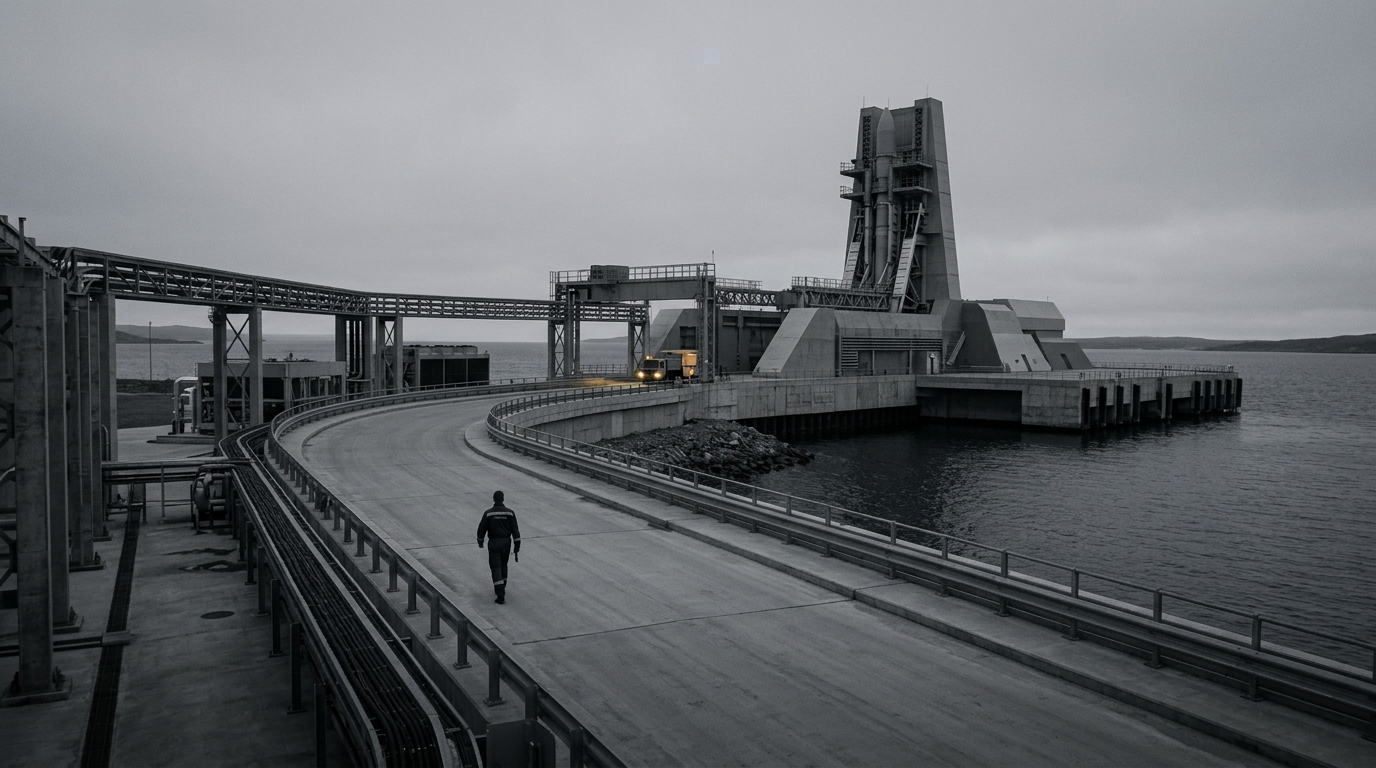
Castelion valuation discussions are targeting $12 billion or more as the hypersonic-missile maker moves from development work toward its first production delivery for the U.S. Navy.
People familiar with the fundraising said the nearly four-year-old company hopes to complete the round next month, though pricing and terms remain in flux. The size of the raise and lead investors were not disclosed.
Navy order boosts momentum for hypersonic prototypes
The fundraising push comes as Castelion adds Defense Department wins tied to rapid, scalable weapons production. On Tuesday, the U.S. Navy issued an order worth about $23 million for 50 prototypes of the company’s Blackbeard hypersonic missile.
Hypersonic weapons are typically defined as traveling above Mach 5, or more than five times the speed of sound. The Navy award is described as Castelion’s first production order, with delivery expected next year.
The prototype order follows additional Navy work this year related to developing and integrating Blackbeard for use on some Navy fighter aircraft. One of those awards, announced in April, was valued at $105 million.
Defense budgets and battlefield lessons shape demand
U.S. defense officials have been emphasizing systems that can be produced quickly and at scale, an approach sharpened by the widespread use of drones in the war in Ukraine. The same focus has been reinforced by concerns that high-end arsenals can be depleted faster than they can be replenished in sustained conflicts.
On Capitol Hill, the Defense Appropriations Bill for fiscal year 2027 is moving through Congress with nearly $500 million set aside for procurement of lower-cost hypersonic strike systems for the Army and Navy. The line item signals interest in shifting hypersonics from boutique programs toward more repeatable purchasing, although final appropriations could change as lawmakers negotiate.
For startups, that budget context can be as important as any single contract: procurement dollars influence how quickly prototypes convert into recurring orders. The gap between headline valuations and initial production revenue, however, remains a key question for investors and government customers alike.
SpaceX alumni and factory expansion draw venture capital
Castelion is led by three co-founders with SpaceX backgrounds: CEO Bryon Hargis previously served as senior director of government sales; CFO Andrew Kreitz worked in finance; and COO Sean Pitt led commercial sales for Europe. The SpaceX connection has become an important credential in defense technology circles, where manufacturing discipline and launch-style iteration are prized.
The company is also spending to expand industrial capacity. Castelion, based in Torrance, California, began construction in late 2025 on a roughly 1,000-acre hypersonic manufacturing campus in New Mexico.
If completed on schedule, that footprint could position the firm to pursue larger-volume orders that defense officials say they want. It also raises execution risk: factories require capital long before they generate steady cash flow.
Castelion’s last major financing, in December, brought in $350 million and valued the company at $2.8 billion in that round. A $12 billion target would represent at least a fourfold step-up from that mark.
Investors have poured more money into the defense-tech category broadly. Venture funding for the sector reached nearly $50 billion last year, up from about $27 billion the year before, according to PitchBook data cited in the report.
Castelion is competing in a crowded but fast-growing field. Anduril Industries, which makes autonomous drones and munitions, was valued at $56 billion this spring, excluding new money, while Mach Industries was valued earlier this month at $1.5 billion and recently acquired rocket maker Exquadrum, which builds its own hypersonic missile.
The next milestone for Castelion is whether it can convert prototype deliveries into sustained procurement and demonstrate repeatable manufacturing at cost targets the Pentagon considers “low-cost” for hypersonics. Investors will also watch for further contract awards, the pace of factory buildout in New Mexico, and how final fiscal 2027 appropriations shape demand across the Army and Navy.